Is Qufu Worth Visiting in 2026 Honest Travel Guide and Tips
If you’ve heard of Confucius but wonder, “Is Qufu worth visiting?”, you’re not alone. This humble city, often overshadowed by China’s mega-destinations like Beijing and Xi’an, holds a depth of history and culture few places can match. But is it just another tourist trap, or a genuine must-see for travelers in 2025 and beyond? After spending multiple trips wandering its ancient temples, quiet cemeteries, and lively streets, we’ve got the real scoop — the good, the crowded, and everything in between. Whether you’re debating a quick Qufu day trip or thinking about an overnight stay, this guide cuts through the hype to help you decide if Qufu truly deserves a spot on your China itinerary.
Quick Answer: Yes, If You’re Into History, Culture, and a Break from Big Cities
Qufu is totally worth visiting if you love history, want an authentic peek at Confucian culture, or crave peaceful spots away from China’s megacities. It’s perfect for travelers who appreciate slow-paced exploration, ancient sites that feel alive, and a slice of China’s deeper heritage beyond Beijing or Shanghai. If you’re on a tight schedule or not into historical landmarks, you might want to skip it—otherwise, Qufu delivers a unique, off-the-beaten-path experience that rewards the curious traveler.
Why Most Travelers Skip Qufu (And Why That’s a Mistake)
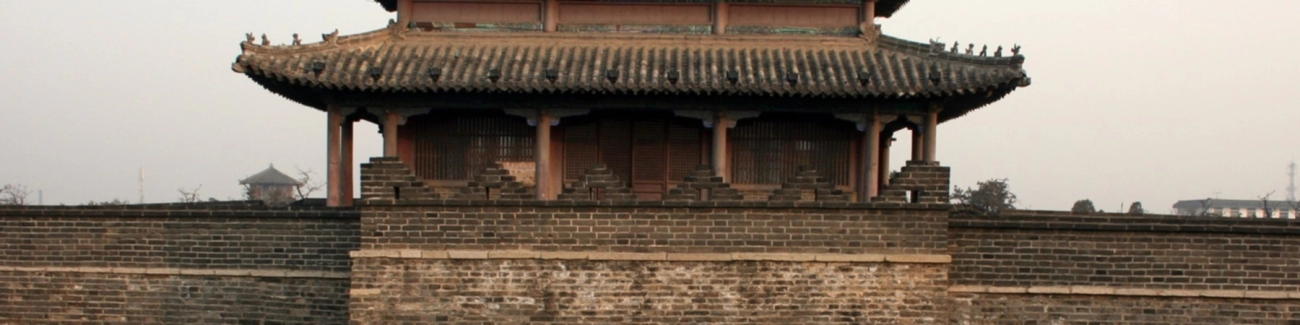
Qufu often gets overlooked because many travelers focus on big cities like Beijing, Xi’an, or Shanghai, thinking they offer the “must-see” Chinese experiences. Common misconceptions paint Qufu as a dull, small-town stop with little to offer beyond its Confucius connections. As a result, it’s frequently skipped on itineraries in favor of more famous destinations.
But that’s a mistake. Qufu is the birthplace of Confucius and home to some of China’s most important cultural and historical sites. Unlike the crowded tourist traps in bigger cities, Qufu offers a unique, authentic glimpse into ancient Chinese philosophy and heritage. Its peaceful atmosphere and well-preserved temples create an experience that you can’t get anywhere else.
If you want to understand China beyond the usual landmarks, visiting Qufu is worth it — and it deserves more attention than it gets in typical travel circles. For a detailed breakdown of what sets Qufu apart and practical travel tips, this Qufu travel guide for 2026 offers great insights.
What Makes Qufu Special – The 3 Unforgettable Experiences
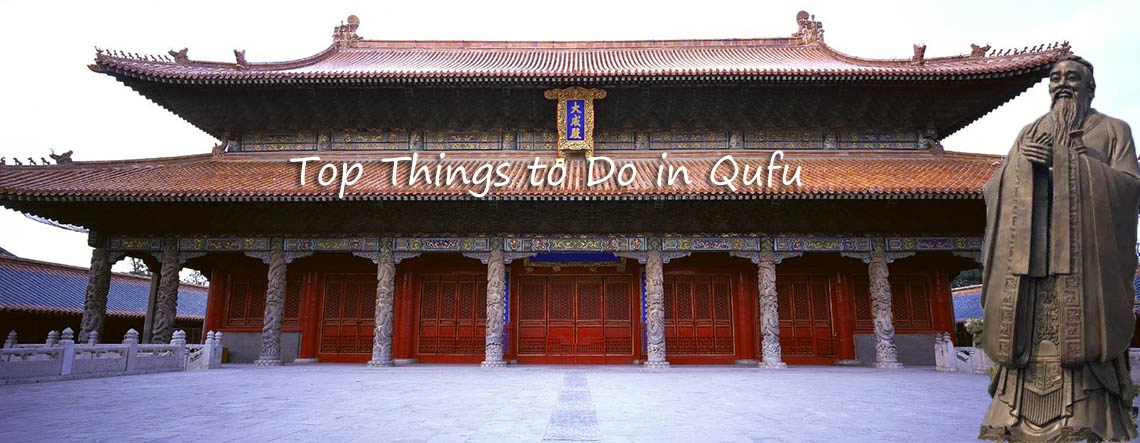
Qufu stands out because of its unique connection to Confucius, offering experiences you won’t find anywhere else. First, visiting the Temple of Confucius at sunrise is truly magical — you get to explore this vast, historically rich site almost empty, soaking in the serene atmosphere without the usual crowds. It’s a rare moment to feel the deep respect and quiet reverence tied to Confucius’s legacy.
Next, walking through the Kong Family Mansion gives you a glimpse into the life of Chinese nobility. This sprawling estate shows how Confucius’s descendants once lived in style and influence, complete with well-preserved architecture, gardens, and courtyards. It’s like stepping back into a living piece of history, offering a peaceful contrast to busier tourist spots.
Finally, the Cemetery of Confucius (Kong Lin) is a solemn, green sanctuary with over 2,500 years of history under ancient cypress trees. It’s not just a burial ground but a symbol of enduring respect for Confucius’s teachings. Walking through this peaceful cemetery provides a quiet moment for reflection and a deeper connection to China’s cultural heritage. You can find a detailed guide to explore the Confucius Cemetery in Qufu that highlights its significance and layout.
Together, these three sites make Qufu a must-visit for anyone interested in history, culture, and a slower, more contemplative travel experience.
Realistic Downsides & How to Avoid Them
Qufu isn’t perfect, so it’s good to know the downsides before you go. First off, domestic tour groups can swarm the key sites, especially during Chinese holidays and weekends. The Temple of Confucius and Cemetery get crowded mid-morning and early afternoon. To avoid the hordes, aim for early mornings or late afternoons, and try weekdays if possible.
Summer in Qufu can be hot and sticky, while winters get brutally cold, so pack accordingly. Spring and autumn are the most comfortable times to explore the city—check out this detailed Qufu weather guide and best times to visit for planning.
Another thing to keep in mind: English signage is limited, so navigating without a Chinese speaker might be tricky. Download offline maps ahead of time, use translation apps, or consider hiring a local guide for the top spots to get the most out of your visit.
How Many Days Do You Actually Need in Qufu?
Qufu can be explored in a day, but it’s quite rushed if you want to truly soak in the history and atmosphere. A day trip from nearby cities like Jinan or Tai’an is doable, especially if you prioritize the Temple of Confucius and Kong Family Mansion. However, you’ll likely miss the peaceful Cemetery of Confucius and the quiet corners that make Qufu special.
For a more relaxed visit, plan 1 night / 2 days. This gives you time to experience the temple at sunrise, wander the Kong Mansion without crowds, and stroll the ancient cypress-lined cemetery at your own pace. With two days, you can also visit nearby attractions like Nishan Sacred Land or explore Qufu’s vibrant food scene in the evening.
If you’re interested in detailed maps and itinerary suggestions, check out this comprehensive Qufu map guide for travelers to help plan your trip efficiently.
Perfect 1-Day Qufu Itinerary (Tested 2026)
If you only have one day in Qufu, here’s a balanced itinerary that lets you soak in the best without feeling rushed.
Morning: Temple of Confucius at Sunrise
Start early to catch the Temple of Confucius almost empty—perfect for peaceful photos and avoiding crowds. Walk through the Kong Family Mansion next, imagining life as Chinese nobility. Both spots offer stunning architecture and are rich with history. Tip: Arrive before 8 AM to enjoy this quiet magic.
Afternoon: Confucius Cemetery (Kong Lin)
After a local lunch, head to the Cemetery of Confucius. This serene place, with groves of ancient cypresses, is a great spot to reflect and experience 2,500 years of heritage. It’s ideal for slower walks and photography in dappled light.
Evening: Old Town Stroll & Dinner
Wrap up your day wandering Qufu’s old town streets. Look for hidden corners and small alleys that locals cherish for quiet moments and authentic vibe. Finish with dinner at a recommended restaurant specializing in Kong Family cuisine or try local street food near the night market.
Best Photo Spots:
- Sunrise views at the Temple of Confucius
- Ornate gates and courtyards of the Kong Mansion
- Peaceful pathways in the Confucius Cemetery
Quiet Corners:
- Small gardens inside the Temple complex
- Less-visited sections of the Kong Mansion
- Tree-lined trails around Kong Lin
This itinerary hits the must-see highlights while giving you chances to escape tourist crowds and capture the quieter, more personal side of Qufu. For an in-depth cultural context, the complete guide to Confucius heritage is a helpful resource to check before your trip.
Perfect 2-Day Slow Travel Itinerary
If you have two days in Qufu, you can slow down and soak in the full Confucian experience beyond the main sights. Here’s a relaxed plan that lets you dig deeper:
Day 1: Classic Qufu Highlights
- Morning: Start early at the Temple of Confucius to enjoy the sunrise with fewer crowds.
- Late Morning: Wander through the Kong Family Mansion to get a feel for how Confucius’s descendants lived.
- Afternoon: Explore the peaceful Cemetery of Confucius (Kong Lin), walking under ancient cypress trees and taking in 2,500 years of history.
Day 2: Off the Beaten Path
- Morning: Visit Nishan Sacred Land, about 30 minutes east of Qufu. This is the exact birthplace of Confucius and offers a quieter, more spiritual atmosphere with beautiful gardens and modern memorial halls.
- Afternoon: Head to the Kong Family Village nearby, where you can see traditional rural life still thriving and visit smaller family temples often missed by tourists.
- Evening: Explore Qufu’s vibrant night food street, savoring authentic Kong Family cuisine highlights and local snacks. This area is perfect for chatting with locals while enjoying dishes you won’t find elsewhere. For more on local flavors, check out our guide to the best Qufu food and local snacks.
This 2-day itinerary gives you not only the “must-see” historical sites but also a chance to experience deeper cultural layers of Qufu in 2026, making your visit truly memorable.
How to Get to Qufu in 2026 (High-Speed Rail Guide)
Qufu is well-connected by high-speed rail, making it easy to reach from major cities like Beijing, Shanghai, Qingdao, Jinan, and Tai’an. The high-speed trains into Qufu offer a smooth, fast, and comfortable option for travelers looking to visit Confucius’s hometown.
Key Routes to Qufu:
- From Beijing: The fastest trains take around 2.5 to 3 hours. Most high-speed services arrive at Qufu East Station.
- From Shanghai: Trains take roughly 4 to 5 hours, also arriving at Qufu East Station.
- From Qingdao: A quick 1.5 to 2 hours by train to Qufu East.
- From Jinan: About 1 hour by train, ideal for a day trip. Most stop at Qufu East.
- From Tai’an: Just 30-40 minutes away by rail, perfect for combining Mount Tai and Qufu visits. Trains serve Qufu East.
Qufu East vs Qufu West Stations
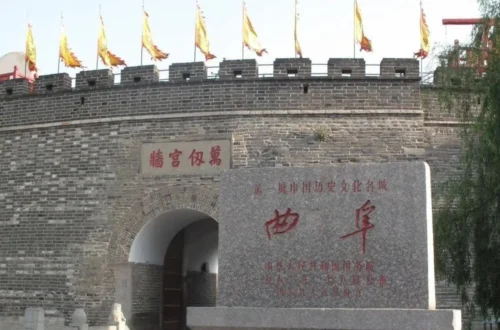
- Qufu East Station is the main hub for high-speed trains (CRH trains) and the most convenient for tourists. It’s modern, with better connections to the city center and shuttle buses to popular spots like the Temple of Confucius.
- Qufu West Station primarily handles slower or regional trains and fewer high-speed services, so it’s less ideal for most travelers unless you’re coming from or going to local destinations.
For the latest schedules and detailed route info, see the in-depth advice on Qufu city travel logistics and the best ways to get from Shanghai to Qufu.
If you’re planning to arrive by air, note that Qufu has no dedicated airport, but nearby airports in Jinan and Qingdao offer connections, combined with easy rail transfers.
In short, catching a high-speed train to Qufu East Station is your best bet in 2026 for a quick, hassle-free arrival.
Where to Stay – Hand-Picked Hotels for Every Budget
Finding a good place to stay in Qufu is easier than you might think, with options that suit every budget and travel style.
Luxury: The Shangri-La Qufu is the top choice if you want plush comforts and modern amenities. It’s close to the main attractions, with spacious rooms, excellent service, and great dining options.
Mid-range: If you prefer something with local charm, look for the beautiful courtyard hotels inside the old city. These often blend traditional architecture with modern conveniences and give you a more authentic feel of Qufu’s heritage.
Budget: For travelers on a tight budget, there are clean and welcoming hostels and guesthouses throughout Qufu. These spots are perfect for solo travelers or those who want to spend more on experiences than lodging.
No matter where you stay, Qufu’s compact size means you’ll be close to key sites like the Temple of Confucius and Kong Family Mansion. For more details on lodging and the best neighborhoods, check this Qufu travel guide on accommodations.
Food You Can’t Miss in Qufu
Qufu’s culinary scene is a hidden gem, deeply rooted in the traditions of the Kong family and local Shandong flavors. If you want to taste authentic dishes connected to Confucius’s heritage, Kong Family cuisine is a must-try. Think hearty, savory meals with an emphasis on simple, fresh ingredients prepared the old-fashioned way.
Highlights of Kong Family Cuisine:
- Confucius Ceremonial Banquet: A special multi-course meal inspired by ancient recipes, featuring dishes like braised pork belly, stewed chicken, and delicate tofu preparations.
- Local specialties such as Qufu roasted duck and Shandong-style dumplings.
- Soups rich with medicinal herbs that reflect centuries-old culinary wisdom.
Best Local Restaurants:
- Konglin Restaurant: Located near the Confucius Cemetery, this spot offers traditional Kong family meals in a serene setting.
- Qufu Zhen Restaurant: Popular with locals for its authentic flavors and budget-friendly menu.
- Old Qufu Courtyard Restaurants: Scattered around the old city, these intimate courtyard eateries serve classic Shandong dishes with home-cooked vibes.
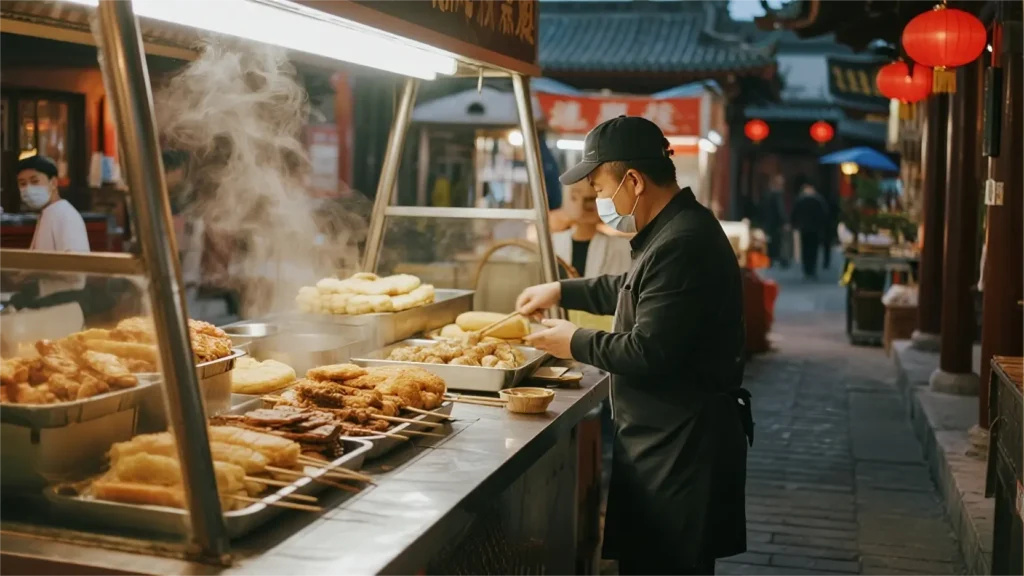
When in Qufu, don’t miss out on street snacks like spicy skewers, fried pancakes, and fresh soy milk—perfect for quick bites between sightseeing. Exploring Qufu’s food scene adds a rich, flavorful layer to your visit beyond the historical sites.
Qufu vs Nearby Destinations – Where Should You Spend Your Time?
When planning your Shandong trip, deciding between Qufu, Mount Tai (Tai’an), and Qingdao depends on your interests and travel pace.
Qufu vs Mount Tai (Tai’an)
Qufu is all about history and culture, famous for the Temple of Confucius and deep heritage. It’s perfect if you want a slow-paced, thoughtful visit exploring ancient sites, like the Confucius Mansion and Cemetery. Meanwhile, Mount Tai offers stunning natural scenery and a challenging but rewarding hike. Tai’an has more outdoor adventure vibes, so if you’re into nature and physical activity, Tai might top your list. Both are close enough for a combined Shandong loop.
Qufu vs Qingdao
Qufu contrasts sharply with Qingdao’s coastal atmosphere. Qingdao is known for its beaches, seafood, and German colonial architecture – ideal for a relaxed city break with sea views. If you want culture and history, stick to Qufu. If you want fresh seafood and a lively urban scene, Qingdao fits better. Many travelers do both, timing Qufu as the cultural highlight before chilling in Qingdao.
Recommended Shandong Loop
For a well-rounded Shandong experience, consider this 3- to 5-day loop:
- Start in Qufu to dive into Confucius heritage (Confucius Mansion, Temple, Cemetery).
- Head to Mount Tai (Tai’an) for a day hike or cable car ride to soak in the magnificent peaks and temples.
- Finish in Qingdao for seafood, beaches, and a refreshing urban vibe.
This combo balances culture, nature, and city life perfectly, making sure you don’t miss Shandong’s key highlights.
Choosing between these depends on your travel style, but for most U.S. visitors looking to understand China’s heritage, Qufu offers a unique and enriching experience that complements the natural beauty of Mount Tai and the modern charm of Qingdao.
Current 2026–2026 Visitor Information
Planning your trip to Qufu in 2026 or 2026? Here’s the latest to make your visit smooth and stress-free:
-
Ticket Prices & Combination Passes:
Entry to the Temple of Confucius, Mansion, and Cemetery is often bundled into combo tickets, usually around 200 CNY for all three sites. Buying combination passes saves both money and time, so look for official packages at ticket counters or authorized vendors.
-
Opening Hours:
Most key sites open between 7:30 AM and 5:30 PM. The Temple of Confucius and Kong Family Mansion tend to close around 6 PM, but it’s wise to check closer to your trip as hours can vary seasonally.
-
Holiday Closures & Busy Times:
Qufu attractions generally remain open year-round but expect heavy crowds during Chinese national holidays like Golden Week (early October) and Labor Day (early May). Domestic tour groups flock in during these periods, so if you want to enjoy quieter visits, plan for off-peak travel in spring or autumn.
- Crowd Calendar Tips:
- Best times to visit: Late March to early June and September to November.
- Avoid: Golden Week (Oct 1–7), Labor Day (May 1–5), Chinese New Year, and weekends of major festivals.
- Early mornings, especially at the Temple of Confucius, offer a peaceful experience with fewer visitors.
For specific details on Temple of Confucius hours and tickets, check the official Temple of Confucius ticket info to stay updated on any changes. Also, the Confucius Cemetery site provides timely visitor info if you plan to explore Kong Lin as part of your trip.
Final Verdict – Should You Add Qufu to Your China Itinerary?
If you’re fascinated by Chinese history, philosophy, or want to experience a quieter side of China away from crowds, Qufu is absolutely worth visiting. It’s perfect for travelers who appreciate cultural depth, ancient architecture, and peaceful settings. History buffs and fans of Confucius will especially love wandering through the Temple of Confucius, the Kong Family Mansion, and the serene Cemetery of Confucius.
That said, if your schedule is tight or you prefer bustling city vibes, Qufu might feel a bit slow or less exciting compared to Beijing or Xi’an. Also, those who dislike limited English signage and crowded tour groups during peak seasons might want to plan carefully or skip it entirely.
On a scale of 1 to 10, I’d give Qufu an 8 for a unique, culturally rich experience that’s easy to combine with nearby cities like Jinan or Tai’an. For anyone curious to dive into the roots of Confucianism and explore Shandong’s hidden gems, Qufu is a calm yet unforgettable stop worth adding to your China itinerary.
For more details on navigating the city and top sights, check out this comprehensive Qufu Travel Guide.


You May Also Like

Explore Qufu China Travel Guide 2025 Confucius Temple and Tours
Qufu Travel Tips for Foreigners Complete Guide to Visiting Confucius Hometown