Qufu Travel Tips for Foreigners Complete Guide to Visiting Confucius Hometown
If you’re planning a trip to Qufu, the hometown of Confucius, you’ve already chosen a unique destination rich in history and culture. But traveling here as a foreigner comes with its own challenges—whether it’s navigating from Qufu East Station to the city center, buying San Kong tickets with a passport, or finding accommodation that welcomes international visitors. This guide cuts through the confusion and delivers key, practical Qufu travel tips for foreigners so you can focus on what matters: experiencing the heart of Confucian heritage without headaches. Stick with us for no-nonsense advice that makes your journey smooth, respectful, and memorable.
Pre-Trip Logistics: What You Must Know Before You Go
Before booking your trip to Qufu, the birthplace of Confucius, get your visa and passport essentials in order. Most travelers from the US will need a Chinese tourist visa (L visa). Keep your passport valid for at least six months beyond your travel dates, and carry a printed copy of your visa approval for smooth entry. Always check the latest entry requirements as policies can change.
Digital Survival Kit for Qufu Travel
- Alipay and WeChat Pay: These apps dominate payments in Qufu. Set them up with your passport and a linked credit card or foreign bank account before arriving. Many local vendors don’t accept cash or international cards.
- Navigation: Use Amap instead of Apple Maps for super accurate directions and transit info in Qufu. Amap supports real-time bus schedules, which Apple Maps often misses here.
- Translation Tools: Download apps like Google Translate or Pleco with offline Chinese dictionaries. These help with menus, signs, and chatting with locals—especially outside tourist spots.
Best Time to Visit Qufu
Plan to arrive in spring (April-May) or autumn (September-October) when the weather is mild and comfortable for exploring the San Kong (the Temple of Confucius, Kong Family Mansion, and Cemetery of Confucius). Avoid China’s busy Golden Week (first week of October) and the Confucius Cultural Festival unless you want to experience the event firsthand; these times bring huge crowds and higher prices.
Following these tips ensures a smooth start to your Qufu adventure, letting you focus on the rich culture and history of this UNESCO World Heritage site in Shandong.
Getting There and Orientation

Qufu is well-connected by high-speed rail, making it easy to get here from major cities like Beijing and Shanghai. Most travelers arrive at Qufu East Station, which handles the bulk of high-speed trains on this route. For those coming from Beijing, the ride is smooth and takes around two hours—check detailed schedules on trusted travel sites to plan your trip. If you’re traveling from Shanghai, it’s a longer journey but equally convenient; you can review the Shanghai to Qufu high-speed train options for the best timing and ticket prices.
One thing to keep in mind is the “last mile” challenge—Qufu East Station is about 12 kilometers from the city center, where the famous San Kong (Three Kongs) sights are located. To bridge this gap, you have several transport choices:
- Taxi or Didi: Both are reliable and commonly used by foreigners. Taxis are straightforward, while Didi (China’s equivalent of Uber) requires a mobile app, often linked with Alipay or WeChat Pay for easy payment.
- K01 Bus Line: This local bus runs between Qufu East station and the city center, budget-friendly though slower and less comfortable if you have luggage.
For a hassle-free arrival, many travelers prefer taxis or Didi for speed and convenience, especially if you’re heading straight to your hotel or the San Kong attractions. If you want to save money and don’t mind the walk and wait times, the K01 bus is a practical option.
For comprehensive tips on reaching Qufu and navigating around the city, check out this detailed guide on how to reach Qufu by train from Beijing and the Shanghai to Qufu rail connection. This will help you plan your arrival and get oriented quickly.
The ‘San Kong’ (Three Kongs): A Foreigner’s Strategy
Visiting Qufu’s famous San Kong—the Temple of Confucius, the Kong Family Mansion, and the Cemetery of Confucius—is a must for any traveler interested in Confucius culture. Here’s how foreigners can make this visit smooth and meaningful.
Ticket Purchasing for Foreigners
Foreigners can book tickets using their passport number online or buy physical tickets at the windows near each site. Passport-based booking is usually more convenient and avoids the long lines. Consider combo tickets that grant access to all three sites; they often offer better value than buying single tickets separately. For full tips and ticket price info, check the Confucius Temple ticket price guide.
The Temple of Confucius
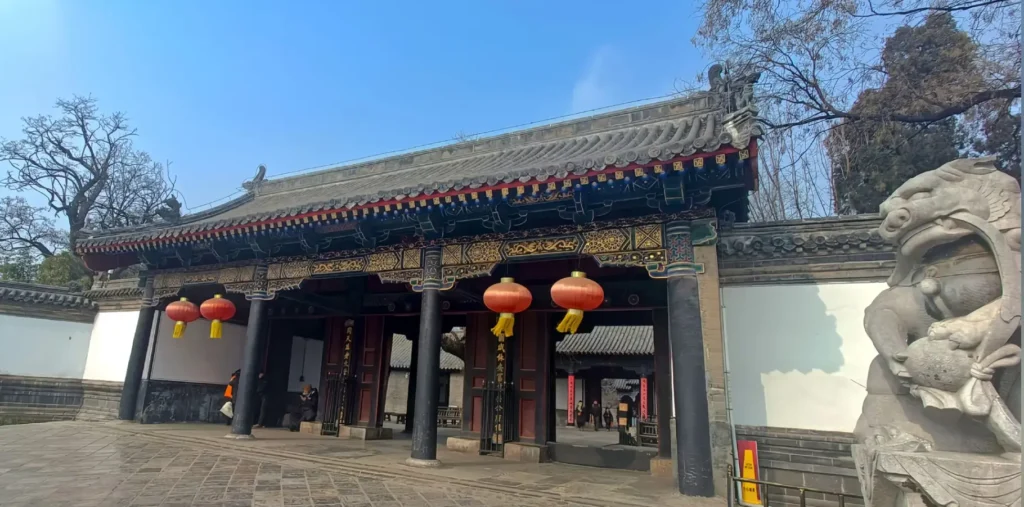
At the Temple of Confucius, don’t miss highlights like the iconic Apricot Altar and the impressive Dacheng Hall. English-speaking guides are available but often limited, so renting an audio guide is a great alternative for a rich, self-paced experience. The temple’s tranquil courtyards and intricate carvings bring Confucian philosophy to life.
The Kong Family Mansion
The Kong Family Mansion offers a fascinating look into the history of Confucius’s descendants. The layout is a grand complex with gardens, halls, and the prominent Tower of Refuge, which historically served as a sanctuary for the family. This mansion tells the story of dynastic respect and Confucius’s lasting legacy.
The Cemetery of Confucius
Walk the serene Spirit Way at the Cemetery of Confucius, lined with stone statues that reflect ancient funerary customs. Remember to respect the site: keep noise low, don’t trespass on tombs, and avoid touching artifacts. For a detailed guide to the grounds and etiquette, visit the Confucius Cemetery Qufu guide.
Together, these three sites form an insightful package into Confucius culture and history, making your Qufu trip truly unforgettable.
Beyond the Classics: New Attractions
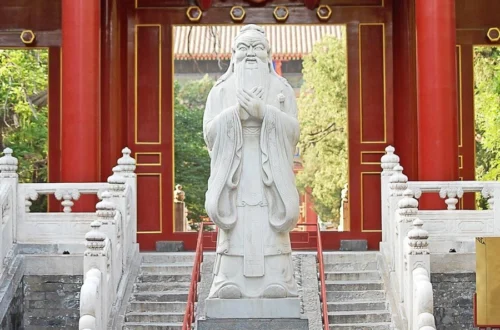
If you think Qufu is just about ancient sites, think again. The Nishan Sacredland offers a fresh take with its impressive giant Confucius statue and captivating night light shows that bring history to life after dark. It’s a bit outside the city, but don’t worry—there are regular shuttle buses from Qufu that make getting there convenient. This modern attraction highlights Confucius’s legacy in a visually stunning way that appeals to all ages.
Another spot worth your time is the Confucius Museum. It’s a contemporary museum designed for history buffs who want a deeper dive into Confucius’s impact and the cultural evolution of Shandong province. The exhibits are well-curated with interactive displays and detailed artifacts. For travelers focused on Confucius culture and historical insights, this museum is an excellent complement to visiting the traditional sites. You can find detailed info on the museum and other related attractions in the comprehensive Confucius Museum Qufu guide.
These newer sites broaden the experience beyond the San Kong Qufu classics, making your visit more dynamic and worthwhile.
Accommodation: Where to Stay in Qufu
Foreigner Acceptance Issue
Not all inns in Qufu are legally authorized to host foreigners, so it’s essential to confirm before booking. Many small guesthouses lack the proper permits, which can cause hassle at check-in. Stick to hotels known for welcoming international visitors to avoid surprises.
Location Strategies: Inside City Wall vs. Near Qufu East Station
Choosing where to stay depends on your travel style. Staying inside the city wall puts you close to the San Kong (Three Kongs) attractions: the Confucius Temple, Kong Family Mansion, and Cemetery. This area is great if you want easy walking access to the main historical sites. Alternatively, accommodations near Qufu East Station suit travelers arriving via high-speed rail who prefer convenience and quicker transit in and out of town.
Hotel Recommendations
For those seeking premium comfort, the Shangri-La Qufu is a top-tier option offering modern amenities and international service standards. If you prefer boutique hotels with reliable quality, there are several well-reviewed inns near the city center catering specifically to foreigners. To explore the best hotels in Qufu for foreigners and find detailed location tips, you can check a comprehensive list of best Qufu hotels near Confucius Temple.
Staying in a well-situated hotel not only enhances your trip but also ensures easier access to essential services and the incredible UNESCO World Heritage sites in Qufu.
Dining: Eating Like a Sage
When in Qufu, Dining is part of experiencing the culture—especially through Confucius Family Cuisine. This banquet-style dining features dishes deeply tied to Confucian traditions. Don’t miss must-try plates like Ginkgo Poetry, a delicately flavored ginkgo nut dish, and Eight Immortals Crossing the Sea, a rich seafood and vegetable medley symbolizing longevity and good fortune.
For a more casual yet authentic taste of Shandong, grab local street snacks like Shandong Jianbing pancakes—crispy, savory, and perfect for a quick bite. Another popular street treat is smoked tofu, known for its unique smoky taste and chewy texture.
You can dive deeper into what to eat with a detailed Qufu food guide featuring Confucian banquets and local delights, helping you eat like a sage in Qufu.
Cultural Etiquette & Practical Tips
When visiting Qufu, especially the UNESCO World Heritage sites like the Temple of Confucius and the Cemetery of Confucius, dressing modestly is important. Avoid flashy or revealing clothes as these sites hold deep cultural and religious significance. Lightweight long sleeves and comfortable shoes work best for exploring the Spirit Way and temple grounds.
Locals often appreciate visitors who show genuine respect, but you might be asked for photos unexpectedly. It’s polite to say yes, but feel free to set boundaries if you’re uncomfortable. A simple smile and shaking your head works well.
Watch out for scams near Qufu East Station and the main attractions. Unauthorized guides sometimes approach tourists pretending to be official. Always use licensed English-speaking tour guides or book tours through trusted platforms to avoid overcharging or misinformation. This way, your visit to the San Kong area stays respectful and hassle-free.
For more detailed advice on site etiquette and planning your trip, check out this comprehensive Qufu travel guide.

You May Also Like

Ultimate Qufu Tourism Guide Discover Confucius Hometown Attractions
Discover Qufu Shandong China Travel Guide Birthplace of Confucius