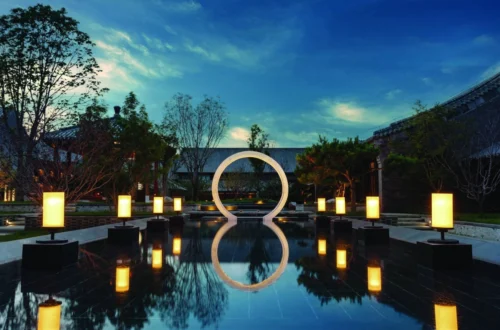
Discover Qufu Shandong China Travel Guide Birthplace of Confucius
The Enduring Legacy of Confucius in Qufu
Qufu, located in Shandong, China, is far more than just a city—it is the birthplace of Confucius, the great philosopher whose teachings shaped Chinese culture and values for over two millennia. From its roots dating back to the Zhou Dynasty, Qufu played a crucial role in preserving and fostering Confucian thought. Over time, especially during the Jin Dynasty, the city became a key center as Confucius’ descendants settled here, enriching its cultural tapestry.
Confucius’ life and his philosophy of harmony, respect, and moral integrity remain deeply woven into Qufu’s identity. His ideas have influenced not only China but countless cultures worldwide. Today, Qufu’s historic sites reflect this legacy with remarkable architectural treasures like the Temple of Confucius, the Kong Family Mansion, and the Cemetery of Confucius.
In modern times, Qufu continues its global conversation by hosting important events such as the Nishan World Civilization Forum and the annual Confucius Cultural Festival. These gatherings attract scholars and visitors from around the world, keeping Confucian philosophy alive and relevant.
For travelers, visiting Qufu offers more than sightseeing—it’s an opportunity to connect with history on a personal level. Whether you are a history buff or traveling with family, exploring Qufu fosters cultural empathy and a deeper appreciation for China’s rich heritage. Walking through the ancient streets and witnessing the ceremonies provides a powerful sense of continuity that bridges the past and present.
Learn more about Qufu’s historic roots and culture here.
Must Visit Attractions The Three Confucian Sites and Beyond

When you visit Qufu Shandong China, the Three Confucian Sites are an absolute must-see. They give you a real feel for Confucius’ lasting legacy.
The Temple of Confucius
This UNESCO World Heritage site is the heart of Qufu. Key highlights include:
- Dacheng Hall: The main hall with grand architecture and intricate carvings.
- Apricot Altar Pavilion: Where Confucius taught, a peaceful spot to reflect.
- Ceremonies: Traditional rituals often take place here, adding an authentic touch to your visit.
The Cemetery of Confucius
This vast graveyard is surrounded by ancient cypress groves, making it a serene place to explore. It’s also perfect for photography — the towering trees and historical tombstones create stunning shots.
The Kong Family Mansion
Home to Confucius’ descendants for centuries, this mansion features classic architecture, beautiful courtyards, and artifacts that tell the story of the Kong family’s long history.
Hidden Gems Beyond the Main Sites
- Nishan Hill: Offers a Confucius shrine and hiking trails with panoramic views.
- Shimenshan Slow City: A charming, laid-back area nearby great for relaxing after a day of sightseeing.
- Mencius Temple: Another important cultural site dedicated to Confucius’ famous follower.
Pro Tip
Take the walking trail that connects these sites. It’s the best way to immerse yourself fully in Qufu Confucian sites itinerary while enjoying the local scenery.
Crafting Your Perfect Qufu Itinerary 1 2 or 3 Days
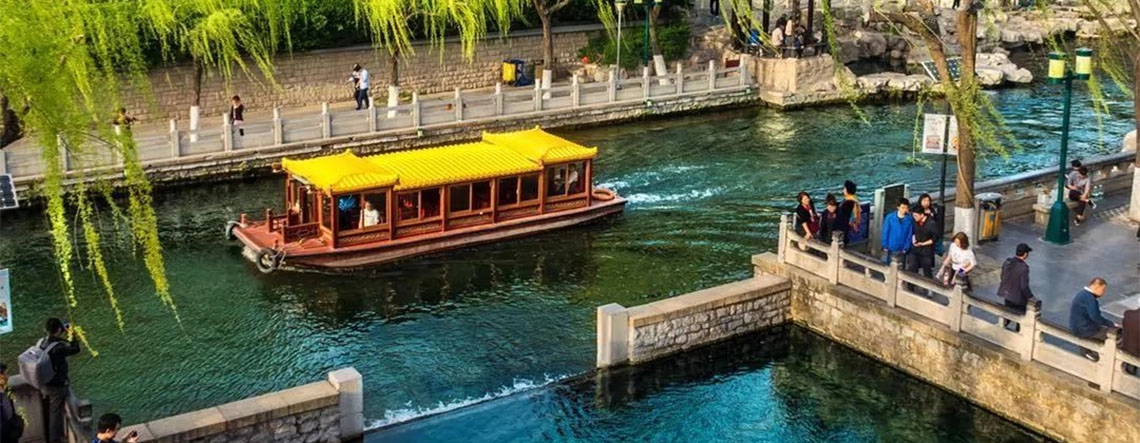
Planning your visit to Qufu depends on how much time you have and what you want to experience. Here’s a simple breakdown for 1, 2, or 3-day trips that cover all the highlights and hidden gems of Confucius’ hometown.
One-Day Whirlwind
- Morning: Start at the Temple of Confucius, exploring Dacheng Hall and the Apricot Altar Pavilion.
- Afternoon: Head to the Kong Family Mansion to see the intricate architecture and family artifacts.
- Evening: Visit the Cemetery of Confucius for a peaceful sunset stroll among ancient cypress groves.
Two-Day Deep Dive
- Day 1: Follow the one-day itinerary to cover the Confucian core sites thoroughly.
- Day 2: Hike Nishan Hill to visit Confucius’ shrine, then explore local markets for cultural crafts. Finish with a cultural workshop or tea ceremony for hands-on tradition.
Three-Day Cultural Immersion
- Days 1 and 2: Combine the two-day plan for a full Confucian experience.
- Day 3: Take a day trip to nearby Mount Tai for stunning natural beauty or extend to Zoucheng to visit the Mencius Temple and more Shandong highlights.
Customization Tips
- Families can pace visits with interactive activities and easy walking paths.
- Solo travelers might add early morning photo shoots or nighttime cultural shows.
- Combine your trip with other Shandong attractions easily thanks to Qufu’s high-speed train access.
For more detailed site info and local tips, check out the Qufu Travel Guide.
Getting to Qufu Seamless Travel from Anywhere in China
By High-Speed Train
Qufu is easily accessible by high-speed train, with Qufu East Station being the main hub. Frequent trains connect Qufu to major cities like Beijing and Jinan, making it convenient to reach within a few hours. Ticket prices vary but are generally affordable, especially when booked in advance.
By Air and Bus
The closest airport to Qufu is Jinan Yaoqiang International Airport, about a two-hour drive away. From there, you can take direct buses or taxis to Qufu. Another option is flying into Beijing or Shanghai and then hopping on a high-speed train. Local bus routes also connect Qufu to nearby cities if you prefer slower, scenic travel.
Local Navigation
Once in Qufu, bullet trains and local buses are reliable for getting around town and nearby attractions. Popular apps like DiDi and Baidu Maps work well here to help plan your routes and arrange rides efficiently.
Accessibility Notes
Qufu’s Confucian sites and modern transport hubs offer wheelchair-friendly paths to accommodate travelers with mobility needs. For international visitors, Shandong province permits visa-free transit in some cases, making stopovers smooth and hassle-free.
Where to Stay and Eat Authentic Qufu Experiences
Accommodations in Qufu
Qufu offers a range of places to stay that suit different budgets and tastes:
- Budget hostels: Great for solo travelers and those on a tight budget. These usually have basic amenities and a friendly atmosphere.
- Mid-range hotels: Comfortable, with more services like Wi-Fi and breakfast included. Perfect for families and casual travelers.
- Boutique guesthouses: For a more unique, local vibe. Often decorated in traditional style, giving you a taste of Qufu’s culture right where you stay.
Dining Guide for Qufu
Eating in Qufu means sampling Confucius Family Cuisine, known for fresh, simple flavors rooted in tradition. Highlights include:
- Local staples: Noodles, dumplings, and dishes featuring seasonal vegetables.
- Street eats: Try snacks like Qufu-style pancakes or grilled skewers for a quick bite.
- Vegetarian options: Many restaurants serve temple-inspired vegetarian meals, reflecting Confucian respect for balance and nature.
Local Dining Habits
To experience Qufu like a local:
- Visit evening tea houses to relax and enjoy traditional teas while soaking up the atmosphere.
- Look for farm-to-table restaurants that focus on local, sustainable ingredients sourced from Shandong’s countryside.
This mix of accommodation and dining options ensures your stay in Qufu feels authentic and comfortable while connecting you to the city’s rich cultural roots.
Practical Travel Tips for Making the Most of Qufu
Best Time to Visit
The ideal time to explore Qufu is spring (April to June) and autumn (September to November). During these months, the weather is mild, and the crowds are thinner compared to peak summer. Avoid the hot, humid July and August months to have a more comfortable experience walking around the Confucius birthplace Qufu and other outdoor sites.
Budget Breakdown
- Entry Fees: The Three Confucian Sites (Temple of Confucius, Cemetery of Confucius, Kong Family Mansion) have a combined ticket price around 150 RMB ($22).
- Daily Costs: Expect around $30-$50 for meals, local transport, and light shopping at markets or artisan stalls.
- Plan more if you want guided tours or specialized cultural workshops.
Cultural Etiquette
- Dress Code: Dress modestly when visiting temples and sacred sites; avoid sleeveless tops and short shorts.
- Photography: Always check for “no photography” signs, especially inside temple halls and museums. Ask permission if unsure.
- Bargaining: In local markets, polite haggling is common but keep it friendly and respectful.
Sustainability
- Support local artisans by buying handmade crafts instead of mass-produced souvenirs.
- Use refillable water bottles and avoid single-use plastics.
- Choose eco-friendly accommodations or restaurants that source ingredients locally, helping preserve Shandong’s rich cultural heritage.
Safety and Health
- Qufu’s air quality is generally good but can dip during heavy traffic days in summer. Check local air quality apps if you have respiratory concerns.
- Post-pandemic, most tourist sites enforce mask wearing and hand sanitation stations. Stay updated on travel advisories before your trip for a smooth visit.


You May Also Like
Confucius Kong Fuzi Guide Life Teachings and Visit Qufu 2026

Ultimate Qufu Map Guide for Travelers Exploring Confucius Hometown