Ultimate Qufu Travel Guide 2025 Discover Confucius Heritage and Tips
Best Time to Visit Qufu Weather Crowds and Seasonal Highlights
Planning the best time to visit Qufu means balancing weather, crowds, and cultural experiences. Spring (April to June) and autumn (September to November) are the top seasons. During these months, temperatures range from mild to pleasantly warm, perfect for exploring the outdoor sites like the Confucius Temple and Nishan Mountain hikes without overheating.
Summer can be hot and humid, with July and August bringing the busiest tourist crowds, especially during the Confucius cultural festival in September. If you prefer quieter visits and fewer tourists, aim for late spring or early autumn. Winter is cold and less crowded, offering a peaceful atmosphere, but some outdoor attractions might feel brisk.
Seasonal highlights include cherry blossoms framing the ancient temples in spring and colorful foliage in autumn around the Three Kongs UNESCO sites. These natural touches add a magical layer to Qufu’s rich history, making your visit even more memorable.
How to Get to Qufu Transportation Options from Major Cities
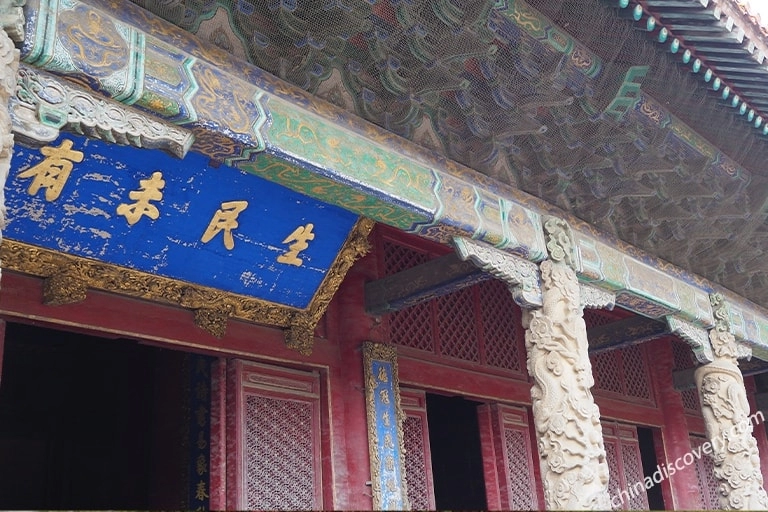
Getting to Qufu is straightforward thanks to its location in Shandong province, a key spot on the High-speed train to Qufu route. Here’s how you can reach Qufu from major cities:
| From City | Transport Mode | Duration | Notes |
|---|---|---|---|
| Beijing | High-speed train | About 3.5 hours | Trains run frequently, direct connections |
| Shanghai | High-speed train | Around 4 hours | Fast and comfortable |
| Jinan (Shandong capital) | High-speed train | About 1 hour | Very convenient from Jinan |
| Qingdao | Train or Bus | 2-3 hours | Trains link via Jinan or direct buses |
| Xi’an | Flight + Train | 6+ hours total | Nearest airport is Jinan, then train |
Local Transport in Qufu
- Taxi and Ride-hailing: Easily available for quick trips around town.
- Buses: Local buses connect major attractions like the Confucius Temple and Nishan Mountain.
- Bicycle Rentals: A popular way to explore the historic parts of Qufu.
When planning your Qufu itinerary in Shandong, using the high-speed rail network is your best bet. It’s fast, reliable, and connects you to the Three Kongs UNESCO sites without hassle.
Where to Stay in Qufu From Budget Hostels to Heritage Hotels
Qufu offers a range of accommodations to fit different budgets and preferences, from simple budget hotels to charming heritage stays near the Confucius Temple.
Budget Hotels and Hostels
If you’re looking to save money, budget hotels and hostels around the city center are your best bet. They often provide clean rooms, basic amenities, and easy access to public transport. These options work well for solo travelers or those on a tight budget, especially when visiting key sites like the Three Kongs UNESCO sites. Many budget hotels also offer English-speaking staff, making check-in smoother for U.S. travelers.
Mid-Range Hotels
For more comfort, mid-range hotels in Qufu offer better facilities such as free Wi-Fi, breakfast, and sometimes shuttle services to major attractions or the high-speed train station. Staying in this category is great if you want a mix of affordability and convenience.
Heritage Hotels and Guesthouses
For the full cultural experience, consider staying in a heritage hotel or traditional guesthouse near the Confucius Temple or Nishan Mountain. These places often feature classic Shandong architecture, garden courtyards, and locally inspired decor. It’s a great way to immerse yourself in the Confucius cultural festival atmosphere if you’re visiting during that time.
Tips for Booking
- Book accommodations early during peak seasons like spring and fall to avoid sold-out rooms.
- Check if hotels offer shuttle services if you plan a Mount Tai day trip from Qufu.
- Use trusted platforms and read recent reviews, especially for budget hotels, to ensure a comfortable stay.
For more detailed options and tips on where to stay, check out the Qufu Travel Guide.
Top Attractions in Qufu Must-See Sites and Hidden Gems
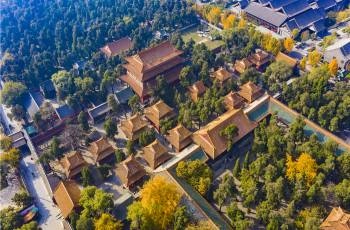
Qufu is best known as the hometown of Confucius, and its top attractions center around this rich cultural heritage. The Confucius Temple is the highlight—a sprawling complex with beautiful ancient architecture and peaceful gardens. It’s part of the Three Kongs UNESCO sites, which also include Confucius’ Family Mansion and Cemetery. These three spots offer a deep dive into Confucian history and philosophy.
For a bit of nature and a break from the city, head to Nishan Mountain. It’s where Confucius was born, and the hike up offers scenic views and several temples dedicated to his legacy. It’s less crowded than the city’s main attractions, making it a perfect hidden gem.
If you’re interested in local history beyond Confucius, the Qufu Museum provides interesting exhibits on Shandong culture and the region’s past. Another lesser-known spot is the Kong Forest, a serene burial ground for Confucius’ descendants filled with ancient cypresses.
For those wanting to explore further, consider a day trip to Mount Tai from Qufu. It’s one of China’s Five Great Mountains, renowned for both its natural beauty and spiritual significance.
Whether you have a few hours or several days, these sites form the backbone of a memorable Qufu itinerary. More details can be found at Qufu Travel Guide.
Sample Itineraries 1-Day Dash to 4-Day Deep Dive
1-Day Dash
Perfect if you’re short on time but want to hit the highlights of Qufu.
- Morning: Start at the Confucius Temple, exploring the vast courtyards and ancient architecture.
- Midday: Walk over to the Confucius Mansion right next door.
- Afternoon: Visit the Confucius Cemetery, the resting place of Confucius and his descendants.
- Evening: Enjoy some local snacks like Shandong pancakes or Qufu-style dumplings.
2-Day Trip
Add some depth with a more relaxed pace and extra sites.
- Day 1: Follow the 1-day dash itinerary.
- Day 2: Take a short trip to Nishan Mountain for a hike and visit the birthplace of Confucius, with serene temples and natural beauty.
- Optional: Check out the Confucius Cultural Festival if your visit coincides with the dates.
3-Day Tour
Explore regional gems beyond Qufu’s Three Kongs UNESCO sites.
- Days 1 and 2: Same as above.
- Day 3: Take a Mount Tai day trip from Qufu, one of China’s most famous mountains, offering stunning views and historical temples.
4-Day Deep Dive
Ideal for culture lovers who want all the details and extras.
- Days 1 to 3: As above.
- Day 4: Explore local villages, try Qufu local cuisine, or join a Shandong Golden Triangle tour that connects Qufu with Jinan and Tai’an for a broader experience.
These itineraries balance the must-see sites with enough time to savor Qufu’s traditional culture and natural surroundings. The high-speed train to Qufu makes it easy to fit these trips even into a busy travel schedule.
Food and Drink in Qufu Savoring Confucian Flavors
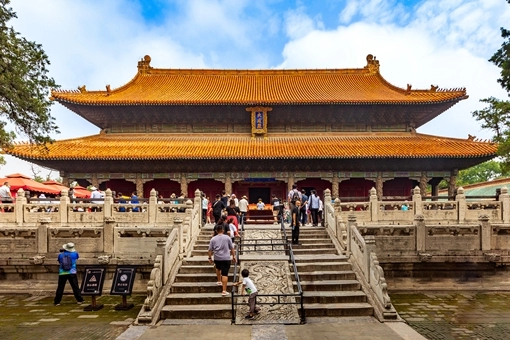
Qufu’s food scene reflects its rich cultural heritage, especially Confucian traditions. When you visit, you’ll find local cuisine known for its balance and simplicity, often highlighting fresh ingredients and subtle flavors. Don’t miss out on traditional Shandong dishes like braised chicken with mushrooms, Qufu-style dumplings, and dezhou braised chicken. These meals are a staple for both locals and visitors wanting an authentic taste.
Street food is another great way to experience Qufu’s flavors. Try snacks like fried tofu, pancake rolls, and various steamed buns that fill the markets and alleys around the city.
For drinks, tea is king in Qufu, with many places serving it in traditional styles – perfect for winding down after a day exploring the Three Kongs UNESCO sites. You might also find local fruit juices and soy milk, popular with locals.
If you plan your visit during the Confucius cultural festival, take advantage of food stalls showcasing both classic dishes and unique event-specific treats. This is a great way to combine cultural immersion with culinary discovery.
For a deeper dive into Qufu’s local cuisine and other travel tips, check out the comprehensive Qufu travel guide to plan your culinary adventures.
Practical Tips for a Smooth Qufu Trip Budget Safety and Etiquette

Traveling to Qufu, the hometown of Confucius, is a rewarding experience, but a few practical tips can make your trip easier and more enjoyable.
Budget Tips
- Book early for high-speed train tickets, especially during peak travel seasons or the Confucius cultural festival.
- Consider budget hotels in Qufu or guesthouses near the Three Kongs UNESCO sites to save money and stay close to major attractions.
- Street food and local eateries offer authentic Qufu local cuisine at reasonable prices, so don’t miss trying affordable meals outside tourist areas.
Safety Tips
- Qufu is generally safe, but standard precautions apply: keep an eye on your belongings, especially in busy spots like the Confucius Temple.
- Use trusted taxis or ride-sharing apps to get around, and be cautious when crossing busy streets.
- Drink bottled water and watch out for spicy local dishes if you have a sensitive stomach.
Etiquette Tips
- Respect the sacred sites: the Confucius Temple and Cemetery are spiritual places, so keep noise levels down and dress modestly.
- Photography is usually allowed but avoid flash inside temples or during ceremonies.
- When visiting during the Confucius cultural festival, participate respectfully and follow local customs.
- Greet locals politely; a simple nod or “Ni hao” can go a long way.
Following these tips will help you focus on what matters most—experiencing Qufu’s rich history and culture without hassle.
FAQs Quick Answers to Common Qufu Travel Questions
When is the best time to visit Qufu?
Spring (April to June) and autumn (September to October) offer mild weather, fewer crowds, and beautiful scenery, making them the ideal times for a Confucius Temple visit or a Nishan Mountain hike.
How do I get to Qufu from major cities like Beijing or Shanghai?
The high-speed train is your best bet. It connects Qufu to Beijing, Shanghai, and other cities in a few hours, offering a convenient and comfortable ride.
What are the must-see attractions in Qufu?
Don’t miss the Three Kongs UNESCO sites: Confucius Temple, Cemetery, and Mansion. If you have extra time, explore Nishan Mountain or take a Mount Tai day trip from Qufu.
Where can I stay in Qufu on a budget?
Qufu has plenty of budget hotels and hostels near the city center, perfect for travelers watching costs but wanting to stay close to major sights.
What local foods should I try in Qufu?
Try Qufu local cuisine that reflects Confucian culture — dishes like Ji’s Braised Chicken and other Shandong specialties are highlights.
Is English widely spoken in Qufu?
English proficiency is limited, especially outside tourist spots. It helps to have a translation app or a guide when exploring the city.
Can I visit Qufu during the Confucius cultural festival?
Yes, the festival usually happens in September. It’s a great time to experience local traditions, performances, and ceremonies celebrating Confucius.
Is Qufu safe for American travelers?
Yes, Qufu is generally safe with low crime rates. Standard travel precautions apply, such as watching your belongings and avoiding poorly lit areas at night.
Can I do a Shandong Golden Triangle tour including Qufu?
Absolutely. The Shandong Golden Triangle tour covers Qufu, Jinan, and Mount Tai, offering a rich cultural and historical experience in a compact itinerary.
Are there any good hiking opportunities near Qufu?
Nishan Mountain, near Qufu, offers scenic hiking trails that combine history with nature, a perfect spot for a light trek.

You May Also Like

Confucius House Hales Corners Guide Menu Reviews and Tips

Best Time to Travel to Qufu Seasonal Guide for Ideal Weather and Festivals