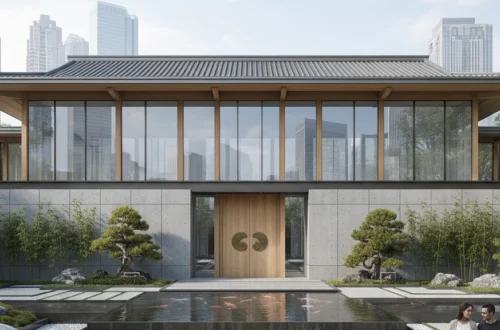
Nishan Sacred Land Qufu Visitor Guide Confucius Statue and Shows
Historical and Cultural Significance of Nishan Sacred Land
Have you ever wondered where Confucius, one of the most influential philosophers in world history, was born? Nishan Sacred Land, centered around Nishan Mountain in Shandong Province, marks the traditional birthplace of Confucius. This site holds deep significance in Confucian lore, symbolizing the roots of Confucianism and its enduring principles that have shaped not only China but also global philosophies.
Originally, this area was centered around ancient heritage sites like the Nishan Confucian Temple and Confucius Cave, revered as places where Confucius studied and taught. Over time, Nishan Sacred Land evolved from these historical landmarks into a sprawling modern cultural hub that honors Confucius’s legacy. The transformation reflects a seamless blend of past and present, offering visitors a unique window into both ancient traditions and contemporary Confucian culture.
Nishan’s connection to the broader Confucian heritage in nearby Qufu—the hometown of Confucius—and its global influence is remarkable. Together, Nishan and Qufu form key nodes in the network of Confucian cultural tourism, attracting scholars, pilgrims, and travelers eager to experience the living legacy of Confucianism. This sacred land doesn’t just tell a story about a place; it invites you to step into the heart of an enduring worldview that continues to inspire people worldwide.
Key Attractions and Highlights at Nishan Sacred Land
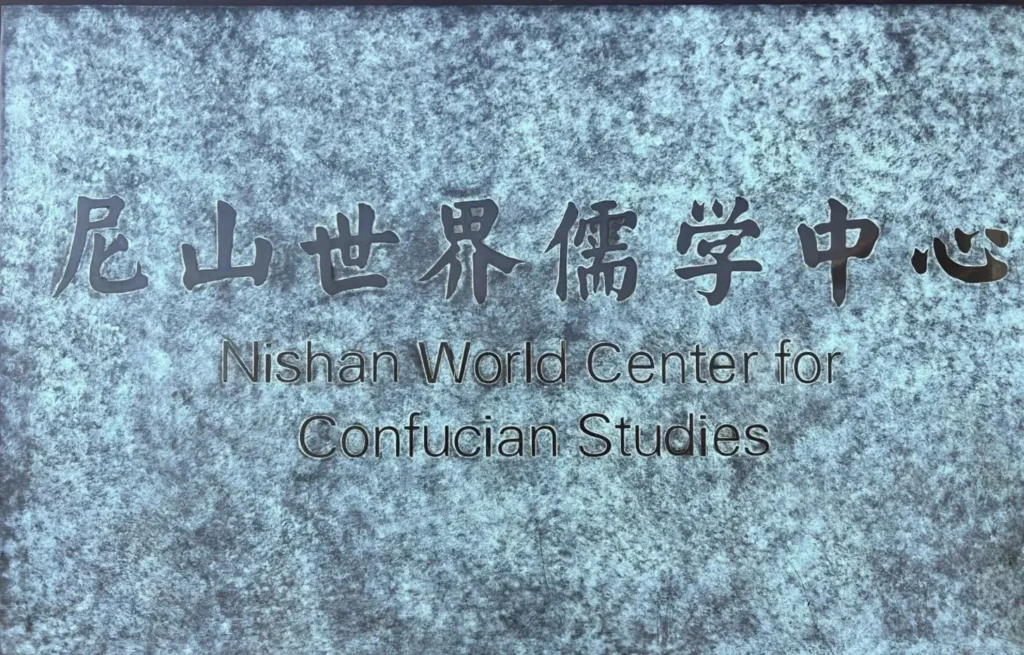
One of the most striking features at Nishan Sacred Land is the Iconic Confucius Statue, standing an impressive 72 meters tall. It’s the world’s tallest statue of Confucius, symbolizing wisdom and peace. Visitors can enjoy panoramic views from various vantage points around the statue, making it a must-see landmark.
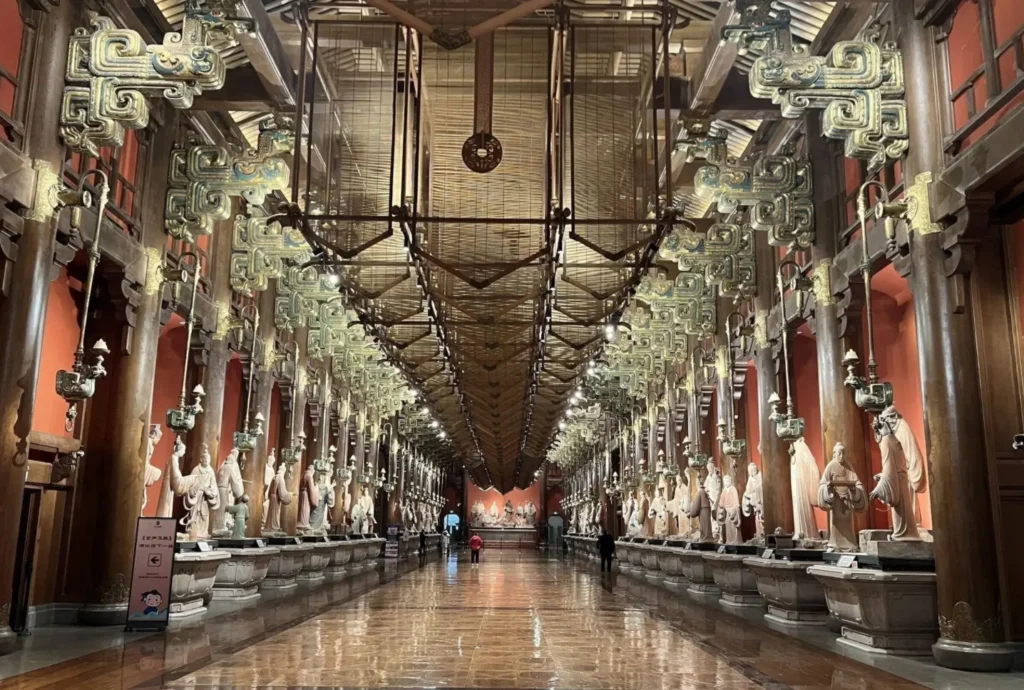
Nearby, the University Hall (Daxue Hall) showcases traditional Chinese architecture and offers engaging exhibits with interactive displays focused on Confucian teachings and philosophy. This makes the visit both educational and immersive.
The Nishan Confucian Temple and Sacred Sites preserve ancient pavilions, temples, and rare historical relics, offering a window into centuries of Confucian culture. These sites connect visitors directly to the spiritual heart of Confucius’s legacy.
For those interested in deeper study, Nishan Academy and Cultural Centers provide libraries, lecture halls, and spaces dedicated to Confucian philosophy and cultural exchange, enriching the cultural experience at this sacred land.
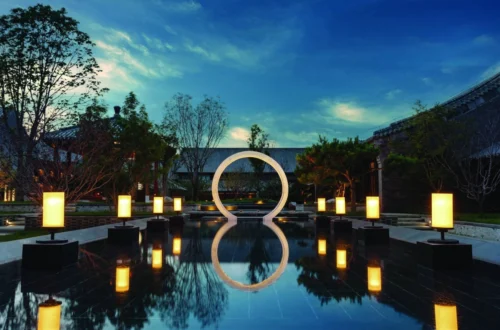
Finally, the surrounding scenic landscapes are breathtaking—lush mountains, tranquil lakes, manicured gardens, and peaceful walking trails invite visitors to relax and reflect amid nature’s beauty.
For anyone planning a visit, exploring the nearby historical and cultural sites in Qufu, such as the Confucius Temple and Cemetery, will add even more depth to your Confucian culture experience. You can find detailed information on these highlights in the Confucius Temple history and tours guide.
Must-See Performances and Experiences at Nishan Sacred Land
When visiting Nishan Sacred Land, don’t miss the Jinsheng Yuzhen (Golden Voice and Jade Vibration) performance—a stunning large-scale ritual music and dance show that brings Confucian traditions to life with powerful visuals and sound. As night falls, the Nishan Shengxiu light and water show dazzles visitors with synchronized fountains, drone displays, and fireworks, creating an unforgettable atmosphere that celebrates the spirit of Confucius and Shandong cultural tourism.
During the day, there’s plenty to immerse yourself in. Try your hand at traditional archery, practice elegant calligraphy, or take part in calming tea ceremonies. Donning hanfu (traditional clothing) and reciting selected verses from the Analects offer a hands-on experience that connects you deeper to Confucian culture. For those wanting a more reflective experience, the cultural centers host immersive workshops covering traditional arts, Confucian etiquette, and meditation sessions—all designed to enrich your understanding of this sacred site.
These activities make the Nishan Sacred Land visit more than sightseeing—they turn it into a meaningful cultural journey rooted in Confucianism. For more on Confucius heritage and what to explore nearby, check out this comprehensive guide to Confucius culture in Qufu.
Practical Visitor Information for Nishan Sacred Land
Opening Hours and Ticket Prices
Nishan Sacred Land is generally open from 8:00 AM to 6:00 PM, with some seasonal changes in closing times during winter months. Ticket prices vary depending on the attractions you wish to visit. Standard admission covers the Nishan Confucian Temple and surrounding sites, while combo tickets include access to the Confucius Statue, University Hall, and performance shows. It’s worth checking in advance for special rates or discounts during festivals and holidays.
How to Get There
The easiest way to reach Nishan Sacred Land is from Qufu city, Confucius’ hometown, which is well connected by high-speed rail from major Chinese cities. From Qufu East Railway Station, you can take a direct bus or taxi to Nishan Mountain, about a 20-30 minute ride. Private transfers or guided tours are also popular for convenience and added insight into the local culture. For detailed travel options and schedules, you can explore the Qufu travel guide with transport tips.
Suggested Itineraries
- Half-day visit: Focus on the Nishan Confucian Temple and the Confucius Cave, combined with a scenic walk around the mountain gardens.
- Full-day visit: Add the University Hall, Nishan Academy, and stay for the Jinsheng Yuzhen performance or the Nishan Shengxiu night light show to experience the full cultural vibe.
- Extended trip: Combine your Nishan Sacred Land visit with Qufu’s Three Confucian Sites, including the Confucius Mansion, for a deeper dive into Confucian heritage.
On-Site Facilities
Visitors can enjoy a range of dining options from traditional Shandong cuisine to lighter snacks within the scenic area. Accommodation is available at the Nishan Academy Hotel, which offers both comfort and proximity to the sacred sites. The area is well-equipped with visitor centers and restrooms, and the paths are accessible for most mobility levels, making it family-friendly and inclusive.
For more about local dining and cultural experiences, check out the Qufu food guide to plan meals that complement your Nishan cultural visit.
Tips for an Unforgettable Visit to Nishan Sacred Land
To make the most of your trip to Nishan Sacred Land, keep these practical tips in mind:
Best Photo Spots and Viewing Times
Capture stunning views by heading to the base of the iconic Nishan Confucius statue during early morning or late afternoon for soft, golden light. The panoramic vistas from the walking trails around Nishan Mountain offer perfect backdrops for nature and architecture shots, especially during sunrise or sunset. Don’t miss the Nishan night light show for dramatic photos with vibrant fountains and drone displays.
What to Wear and Pack
Comfort is key. Wear comfortable shoes for walking on varied terrain, including trails and temple grounds. Weather in Shandong can vary—pack a light jacket in cooler months and sun protection like hats and sunscreen in summer. Bringing water and small snacks helps since you’ll likely spend hours exploring.
Family-Friendly and Group Advice
Nishan Sacred Land offers activities that appeal across ages. Kids and elders can enjoy interactive exhibits at the University Hall and gentle walks through scenic gardens. Cultural workshops such as calligraphy or tea ceremonies engage all ages and provide a hands-on Confucian culture experience. Group visits tend to benefit from advance booking for popular events like the Jinsheng Yuzhen performance.
Sustainable Travel Notes
Respect the rich heritage and natural beauty of this Confucius birthplace by sticking to marked paths and not disturbing wildlife or shrine areas. Support local businesses by dining at cultural venues and purchasing souvenirs responsibly. Following these simple steps helps preserve Nishan Sacred Land’s unique environment for future travelers.
For more on making the most of your visit to this remarkable site, check out detailed travel tips in the Qufu tourism guide.
Accommodation and Nearby Exploration
When visiting the Nishan Sacred Land, staying within the scenic area offers a peaceful and immersive experience. Boutique hotels and cultural retreats near Nishan Mountain provide comfort with a local touch, such as the Nishan Academy Hotel, known for blending modern amenities with Confucian charm.
If you prefer more options, Qufu city, just a short drive away, has a wide range of accommodations. Staying in Qufu puts you close to other UNESCO World Heritage Sites, including Qufu’s famous Three Confucian Sites, making it easy to explore the rich Confucian culture deeper. For a detailed overview, check out this Qufu city guide.
Extend Your Trip: Nearby Highlights
| Destination | Distance from Nishan | Highlights | Travel Tips |
|---|---|---|---|
| Mount Tai | ~45 miles (72 km) | Historic mountain, UNESCO site, hiking, temples | Best for a full-day trip |
| Jinan | ~50 miles (80 km) | City of springs, museums, cultural sites | Combine with Mount Tai for multi-day exploration |
These destinations offer rich cultural and natural experiences beyond Nishan Holy Land, perfect for travelers wanting to explore more of Shandong province’s heritage and landscape. Whether you stay in Qufu or Nishan, you’re ideally positioned to experience Shandong cultural tourism fully.


You May Also Like
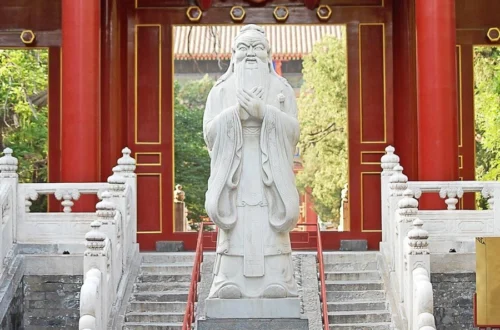
Discover Qufu Shandong China Travel Guide Birthplace of Confucius
Best Qufu Hotels Near Confucius Temple for Every Budget and Style