What Is the Meaning of Qufu Exploring Confucius’ Hometown and Heritage
The Etymology and Origins of Qufu’s Name
Qufu (曲阜), literally meaning “crooked hill,” draws its name from an ancient geographic feature—a winding or bent hill that once defined the landscape. This name captures a piece of the city’s natural history, reflecting how early inhabitants related closely to their environment.
Historically, Qufu served as the capital of the ancient State of Lu during the Zhou Dynasty, dating back over 2,500 years. As the political and cultural center of Lu, Qufu was a vital hub in early Chinese civilization. This early prominence laid the foundation for its lasting significance, especially as the birthplace of Confucius and the heartland of Confucian culture. Today, the city’s name continues to symbolize its deep roots in China’s past and its enduring legacy as a focal point for heritage and learning.
Qufu’s Historical Significance
Qufu’s history goes back thousands of years, making it a key site for understanding ancient Chinese civilization. Archaeological evidence links Qufu to prehistoric cultures like Dawenkou and Longshan, setting the foundation for its importance well before recorded history. During the Spring and Autumn Period, Qufu emerged as a significant center, especially as the capital of the ancient State of Lu.
Qufu also holds a special place in Chinese culture due to its connection to legendary figures such as the Yellow Emperor, often credited as a forefather of the Chinese people. Over successive dynasties, Qufu grew in stature and influence, evolving alongside the shifting currents of Chinese history.
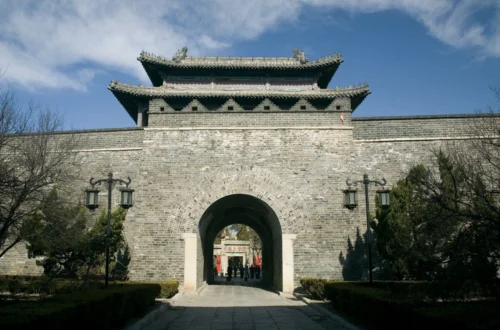
The city’s physical layout reflects its enduring legacy, with historic city walls and several relocations preserving its unique cultural heritage over centuries. Today, Qufu stands not only as a living city but as a guardian of rich traditions and stories that shaped Chinese civilization. For a deeper dive into Qufu’s historical context and culture, you might explore this detailed overview of Qufu’s history and culture.
Confucius and Qufu: The Heart of the City
Qufu is most famous as the birthplace of Confucius (551–479 BCE), the great Chinese philosopher whose ideas shaped Chinese culture and beyond. Confucius lived here, teaching values like respect, morality, and social harmony that grew into Confucianism. This philosophy has influenced not just China but societies worldwide in ethics, education, and governance.
Because of this deep connection to Confucius, Qufu is often called the “Holy City of the East” or “Oriental Jerusalem.” The city is a living tribute to his legacy, where his life and teachings remain central to local culture and global Confucian heritage. Visitors looking to understand Confucius’ impact should explore Qufu’s historic sites, which serve as the heart of Confucian culture and philosophy.
For a detailed look at Confucius’ heritage in Qufu, check out this comprehensive Qufu travel guide, which covers everything from his life to lasting influence.
The Three Confucian Sites: UNESCO World Heritage Treasures
Qufu is home to the famous Three Confucian Sites, all recognized as UNESCO World Heritage treasures that together tell the rich story of Confucius and his lasting influence.
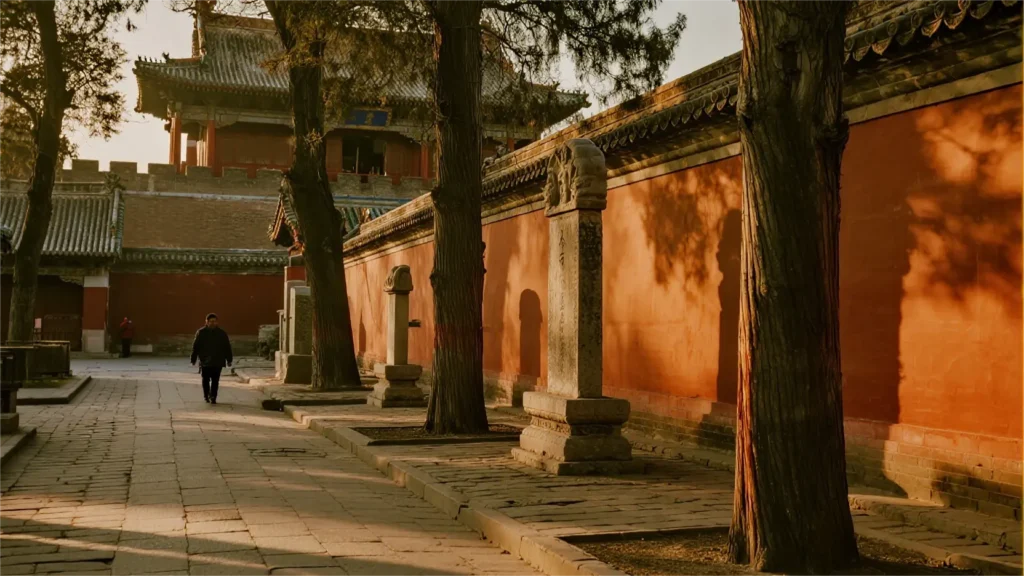
First, the Temple of Confucius (Kong Miao) is the largest and most impressive, known for its grand halls, intricate carvings, and historic significance. The centerpiece is Dacheng Hall, where ceremonies honoring Confucius take place. The temple’s architecture reflects centuries of imperial support and is a must-see for anyone interested in Chinese culture and philosophy. You can explore detailed histories and tours of the Temple of Confucius here.
Next is the Kong Family Mansion (Kong Fu), which served as the residence for Confucius’s descendants. This mansion gives a glimpse into the aristocratic lifestyle of Confucius’s family lineage, showcasing traditional architecture, gardens, and artifacts reflecting their social status over the centuries. For a closer look at this unique historic home, check out the Kong Family Mansion details here.
Finally, the Cemetery of Confucius (Kong Lin) is a peaceful and vast forested tomb complex where Confucius and many of his descendants have been buried for over 2,000 years. It offers a serene space where visitors can reflect on the legacy of Confucianism amidst ancient trees and historic graves.
Together, these three sites—often called “San Kong” (The Three Confucian sites)—form the heart of Qufu’s cultural heritage, making the city a sacred destination for anyone interested in Confucius, Confucianism, and Chinese history.
Top Attractions Beyond the Three Confucian Sites
Qufu offers plenty more than just the famous Temple of Confucius, Kong Family Mansion, and Cemetery of Confucius. One standout spot is Nishan Sacred Land, a modern interpretive center that brings Confucian culture to life with interactive exhibits and immersive experiences. It’s a great place to deepen your understanding of Confucianism beyond traditional sightseeing.
Nearby, Mount Ni (Nishan Mountain) holds special significance as the traditional birthplace of Confucius. The area features beautiful temples set among scenic natural landscapes, perfect for a peaceful walk or spiritual reflection.
For those interested in historical figures connected to Confucianism, Yan Temple and Zhougong Temple pay tribute to important disciples and advisors who shaped Confucian thought. These sites highlight the broader network of influence around Confucius and his teachings.
Other ancient landmarks like the Shaohao Tomb offer glimpses into early Chinese history, adding depth to your visit. Exploring these sites rounds out a profound cultural journey when visiting Qufu beyond the well-known UNESCO Qufu sites.
For a detailed look at Confucius’s origins and the main temple complex, check out this Confucius Temple Qufu guide.
Experiencing Confucian Culture in Qufu
Qufu offers a unique chance to dive deep into Confucian culture beyond just sightseeing. Every year, the Confucius Cultural Festival brings the city to life with traditional sacrificial rites and ceremonies held at the Temple of Confucius. These rituals honor Confucius and reflect ancient customs still practiced today.
Visitors can get hands-on with activities like calligraphy, traditional Confucian rites, and the Six Arts—music, archery, charioteering, calligraphy, mathematics, and ritual. These experiences give a real feel for the discipline and values Confucianism promotes.
For those looking to explore modern takes on Confucian teachings, Qufu also offers study tours and educational programs. These blend time-honored philosophy with contemporary relevance, making the city a living classroom for this influential cultural heritage.
If you want to plan your visit around these cultural highlights, consider checking out a detailed Qufu travel guide to help make the most of your trip.
Practical Travel Guide to Qufu

Getting to Qufu is straightforward, especially if you’re traveling from major Chinese cities. The high-speed rail network connects Qufu with Beijing, Shanghai, and other hubs, making train travel fast and convenient. For air travelers, the closest airports are Jining Qufu Airport and Jinan Yaoqiang International Airport, both a short drive away. Once in Qufu, taxis and local buses provide easy access to key attractions, including the UNESCO Qufu sites.
The best time to visit Qufu is during spring (April to June) and autumn (September to November), when the weather is mild and comfortable for exploring. For guidance on seasonal weather and timing your visit, check a detailed Qufu weather guide. A typical itinerary ranges from one to three days, allowing you to cover the Temple of Confucius, Kong Family Mansion, Cemetery of Confucius, and other cultural highlights without rushing.
When it comes to accommodations, Qufu offers options from budget inns to hotels that reflect local charm. Staying near the downtown area or close to the San Kong (Three Confucian Sites) makes sightseeing easier. Don’t miss tasting the local cuisine, especially the Kong Family Banquet, which showcases traditional Shandong flavors and dishes inspired by Confucian heritage.
Finally, be mindful of respectful visitation practices: maintain quiet in sacred sites, follow photography rules, and consider visiting early in the morning or late afternoon to avoid crowds. For a full travel plan, transportation tips, and suggested stops, a comprehensive Qufu travel guide can help you get the most from your trip.
Why Qufu Matters Today
Qufu remains a vital cultural and spiritual hub, largely because of the enduring influence of Confucianism on modern China and beyond. As the birthplace of Confucius, the city serves as a living link to ancient wisdom that continues to shape Chinese values like respect, family loyalty, and social harmony. Confucian ideas also resonate globally, impacting education, ethics, and leadership principles worldwide.
Today, Qufu acts as a bridge connecting traditional teachings with contemporary life. Visitors and scholars come here not just to explore the historic sites like the Temple of Confucius, but to experience the relevance of Confucian culture in today’s fast-changing world. Through cultural festivals, educational programs, and preservation of the Three Confucian Sites, Qufu keeps this legacy alive and meaningful.
If you’re curious about how Qufu blends its ancient heritage with modern significance, check out this detailed Qufu travel guide for more insights on the city’s unique role as both a historic treasure and a dynamic cultural destination.


You May Also Like

Is Confucius Religion A Philosophy Or Belief Explored in Qufu

Discover Confucius Plaza New York City History and Cultural Guide