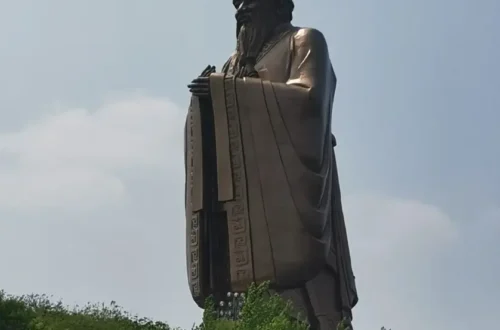
Overview of Qufu History and Culture A Complete Guide to Confucius’s Birthplace
Qufu’s Ancient Roots A Timeline of Historical Foundations
Qufu’s story begins around 3000 BCE, rooted in prehistoric settlements that gradually grew into the capital of the ancient Lu State. This vibrant city, nestled in Shandong province, was an early hub of culture and politics, setting the stage for its lasting significance in Chinese history.
Between 551 and 479 BCE, Qufu transformed from just a regional town to the birthplace of Confucius, the great philosopher whose teachings would ripple across millennia. His era marked the dawn of Confucianism, a guiding philosophy emphasizing morality, social harmony, and respect that shaped not only China but much of East Asia.
Following Confucius’s lifetime, Qufu flourished under various dynasties. From the Han Dynasty through to the 20th century, the city experienced imperial prosperity and decline, reflecting China’s broader historical shifts. But despite these changes, Qufu remained a spiritual and cultural cornerstone, preserving its deep heritage as a living testament to Confucius’s enduring impact.
How do you think the ancient roots of a city influence its modern identity?
The Pillars of Confucian Heritage Qufu’s Iconic San Kong Sites
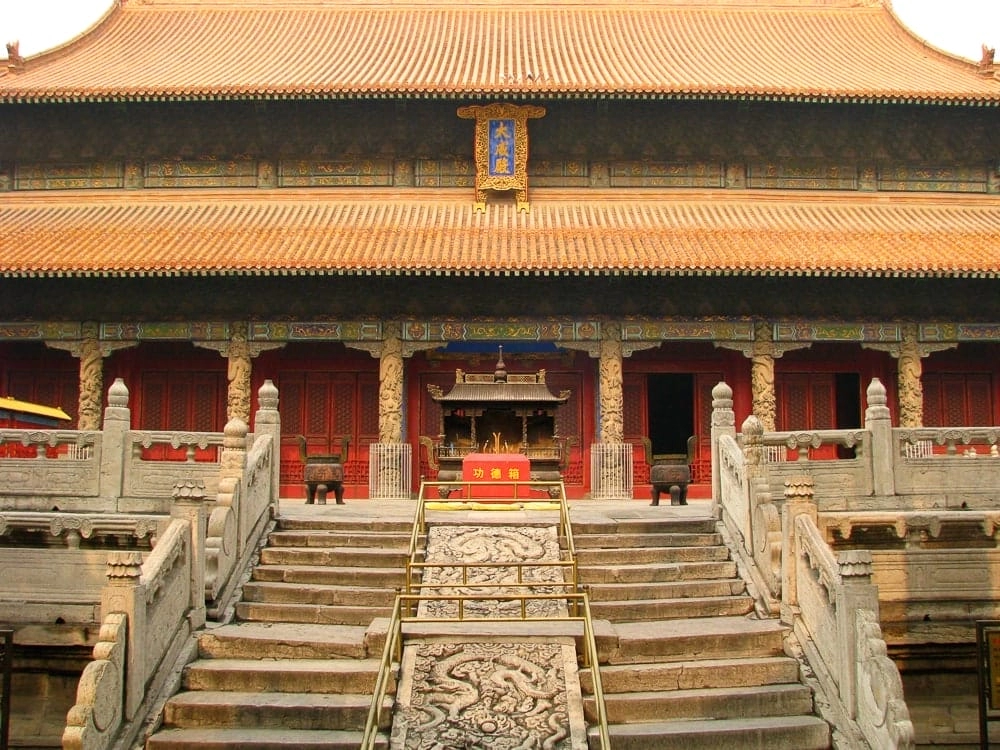
Qufu’s reputation as the birthplace of Confucius is centered around its famous San Kong sites—three key places that hold immense historical and cultural weight. First, the Temple of Confucius (Kong Miao) stands as the sacred heart of worship, where Confucian teachings and rituals have been honored for centuries. This temple complex is not only one of the largest Confucian heritage sites but also a vivid symbol of reverence for Confucius’s philosophy.
Next, the Kong Family Mansion (Kong Fu) tells the story of Confucius’s descendants. This sprawling residence showcases the elite lineage of the Kong family, reflecting their social prominence and the ongoing influence they wielded in imperial China. Visitors can walk through halls filled with artifacts and history that highlight the family’s legacy.
Finally, the Cemetery of Confucius (Kong Lin), often called the Eternal Forest of Wisdom, holds the graves of Confucius and his family members. This vast burial ground combines natural beauty with deep respect for ancestral heritage, making it a site of pilgrimage for those interested in Chinese history and Confucian culture.
Vibrant Cultural Tapestry Traditions Festivals and Daily Life
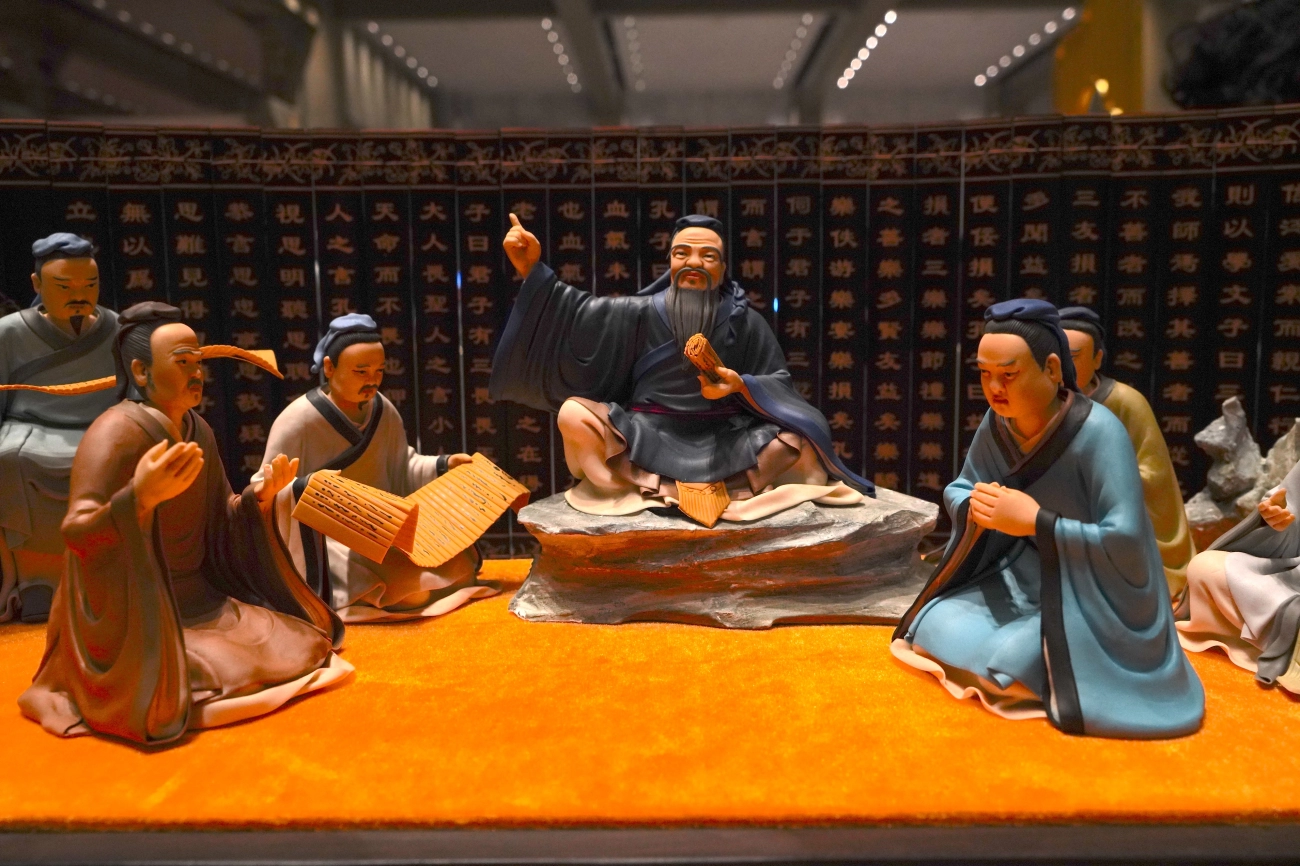
Qufu’s culture is deeply tied to its Confucian roots, making its traditions and daily life unique. The city is alive with Confucian rites that have been passed down for generations. These rituals, often held at the Temple of Confucius, include ancient Chinese music and ceremonies that honor Confucius’s teachings, preserving a rich intangible heritage you won’t find elsewhere.
Festivals in Qufu offer a firsthand look at this cultural mix. The International Confucius Festival is a standout event, bringing together scholars and visitors worldwide to celebrate Confucius’s legacy with parades, traditional performances, and academic discussions. This festival is a perfect chance to see how Qufu blends history with modern celebration.
Day-to-day life in Qufu also reflects its deep respect for tradition. Local people continue to practice Confucian values in family life, education, and community work. Plus, the city boasts its own culinary charm, featuring Shandong cuisine known for hearty flavors and fresh ingredients. Don’t miss trying local specialties when you visit.
Art in Qufu is also vibrant, with displays of calligraphy, painting, and traditional music. These artistic expressions keep Confucian ideals alive while adding color to everyday life. Together, these traditions, festivals, and customs shape a cultural atmosphere that makes Qufu a unique destination for anyone interested in China’s historical heart.
Qufu Today Blending Heritage with Modern Allure
Qufu today is a unique mix of deep history and modern development. While the city honors its role as the Confucius birthplace and maintains its rich Confucian heritage sites, it has also embraced economic growth and social changes that bring fresh opportunities to residents and visitors alike.
Economic and Social Evolution
- Growing Tourism: Qufu’s fame as the home of Confucius and its UNESCO World Heritage sites like the Temple of Confucius and Kong Family Mansion continue to attract visitors worldwide. This has boosted local businesses, from hotels to restaurants.
- Infrastructure Improvements: The city has developed better transportation, including new roads and public transit, making it easier to explore iconic spots and the surrounding Ancient Lu State capital area.
- Education and Culture: Qufu has invested in education, especially in Confucian studies, reinforcing its identity as a center for traditional Chinese philosophy and culture while embracing modern academic standards.
Preservation Amid Progress
Qufu carefully balances progress with preservation. Efforts are ongoing to protect historic buildings and cultural rites tied to Confucius. The city is committed to:
- Maintaining the integrity of major sites like the Confucius Cemetery and Nishan Sacred Land.
- Supporting traditional festivals such as the International Confucius Festival, which keeps ancient rites, music, and ceremonies alive.
- Promoting Shandong cultural pilgrimage experiences that mix heritage with visitor-friendly amenities.
Essential Travel Insights for Experiencing Qufu’s Soul
Getting There and Around
Qufu is easy to reach from major cities in China. The closest airports are in Jinan and Qingdao, both offering regular flights from international hubs in the U.S. For a smooth trip, consider flying into Beijing and then taking a high-speed train directly to Qufu. The Qufu East Railway Station connects you to China’s fast rail network, making travel fast and convenient.
Once in Qufu, getting around is straightforward. The city’s main sites—Temple of Confucius, Kong Family Mansion, and Cemetery of Confucius—are all within walking distance in the historic center. For exploring less central neighborhoods or Nishan Sacred Land, local taxis and bike rentals are readily available and affordable.
Practical Tips for Cultural Immersion
- Plan visits during festivals: The International Confucius Festival in September is a highlight, featuring traditional Chinese rites, music, and cultural performances that bring Qufu’s heritage to life.
- Respect local customs: When visiting Confucian heritage sites, dress modestly and follow etiquette like speaking softly and avoiding photography in restricted areas.
- Try local cuisine: Dive into Qufu’s unique food culture by sampling Confucian banquets and local Shandong dishes. They offer a delicious insight into the region’s culinary history.
- Hire a guide or join tours: To fully appreciate the history and stories behind Qufu’s UNESCO World Heritage sites, consider a guided tour from Qufu Travel Guide.
- Stay connected: Download offline maps and translation apps since English isn’t widely spoken outside tourist spots.
These simple steps will help you experience Qufu’s true spirit while respecting its history and culture. For more detailed travel advice and cultural tips, Qufu’s complete travel guide is a great resource.


You May Also Like
Timeless Confucius Quotes Explained with Qufu Travel Guide Insights

Discover Confucius Plaza New York City History and Cultural Guide