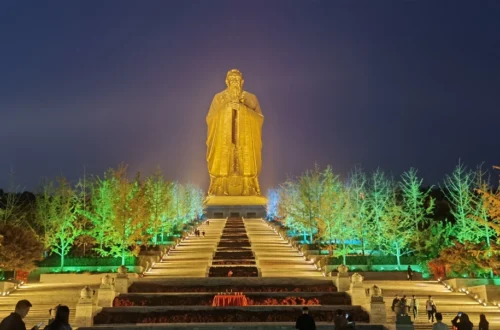
Discover Qufu China Complete Travel Guide to Confucius Hometown
If you’ve ever wondered where Confucius first shared his timeless wisdom or wanted to explore a city that breathes history and philosophy, then Qufu, China is your next destination. Known as the birthplace of Confucius and home to sprawling UNESCO World Heritage sites, Qufu offers more than just ancient ruins—it’s a vibrant cultural journey into China’s rich past and enduring traditions. Whether you’re planning a trip, diving into Confucian culture, or simply curious about this remarkable city in Shandong Province, this guide will unlock everything you need to know about Qufu’s history, landmarks, and local life. Ready to walk where history meets eternity? Let’s get started!
The History of Qufu From Ancient Lu State to Confucian Heartland
Qufu’s story stretches back over 2,500 years to the ancient Lu State during China’s Spring and Autumn Period. As the Lu capital, Qufu was a cultural and political hub long before it became synonymous with Confucius. This era laid the groundwork for the city’s enduring influence, with the Han Dynasty later recognizing its significance by sending imperial envoys to honor Confucian traditions.
The true pivot came with Confucius himself, born in Qufu in 551 BCE. His teachings about ethics, governance, and harmony grew beyond local boundaries, shaping East Asian civilizations and echoing worldwide centuries later. Milestones in his life—his education, public service, and philosophical writings—turned Qufu into a spiritual heartland for Confucianism.
Top Attractions in Qufu UNESCO Wonders and Hidden Gems
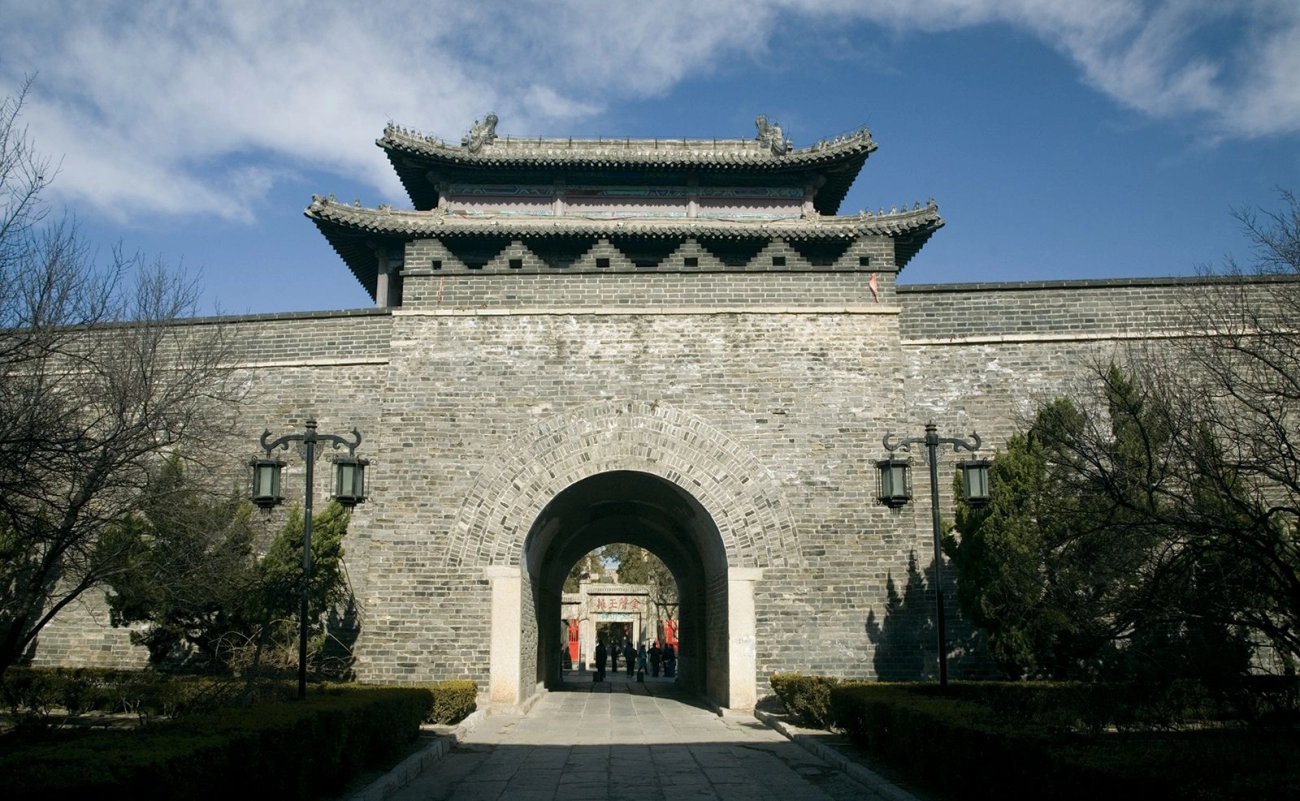
Qufu is best known for its UNESCO World Heritage sites centered around Confucius, but there’s much more to explore beyond the famous spots.
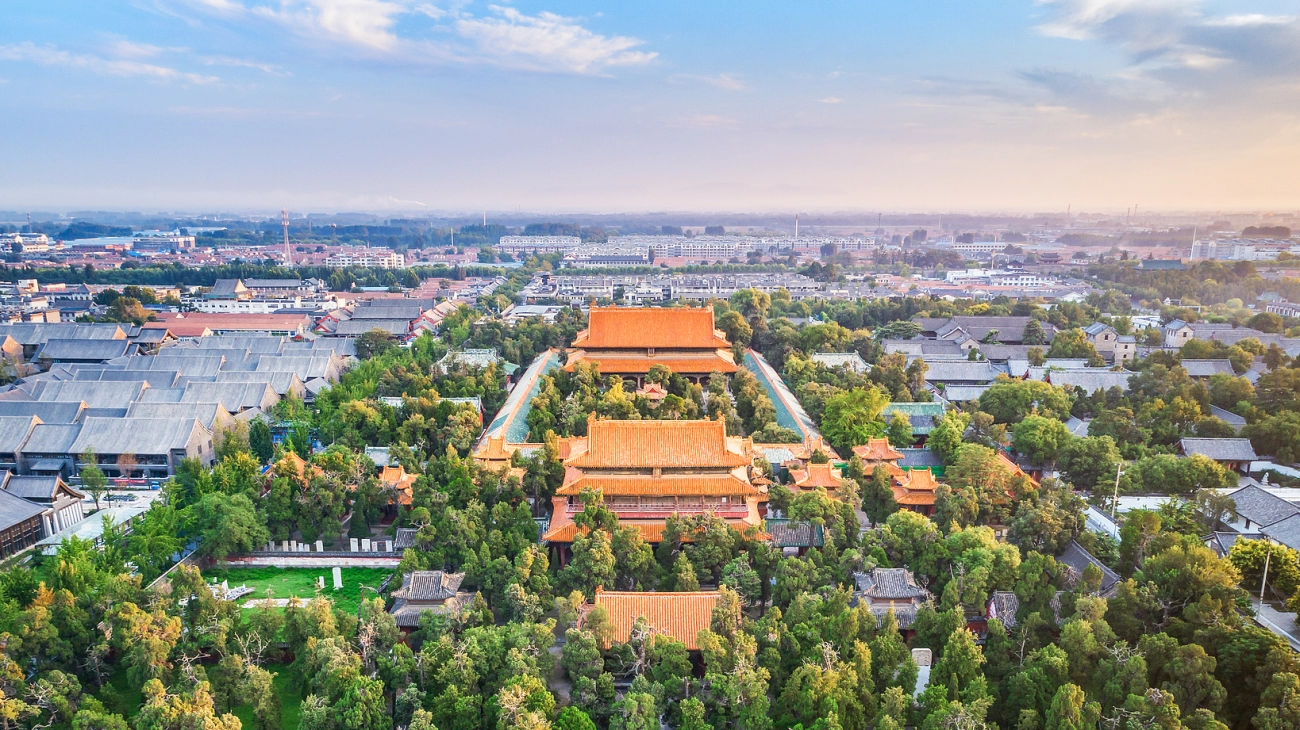
Temple of Confucius Details and Visitor Tips
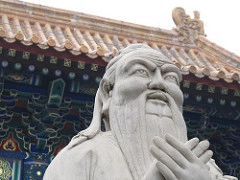
The Temple of Confucius is Qufu’s crown jewel and one of the largest temple complexes in China. It honors Confucius and his teachings with stunning architecture and stone carvings.
- Plan your visit in the morning to avoid crowds.
- Wear comfortable shoes; the grounds are vast and involve a lot of walking.
- Check for guided tours or audio guides to fully appreciate its history.
Kong Family Mansion Details and Visitor Tips
Just nearby, the Kong Family Mansion was home to Confucius’s descendants and shows how the family lived through dynasties.
- Don’t miss the antique furniture and traditional gardens.
- It’s quieter than the temple, making it perfect for a peaceful stroll.
Cemetery of Confucius Details and Visitor Tips
The Cemetery of Confucius is where Confucius and many of his kin are buried in a vast, peaceful forested area.
- It’s a calming spot with winding paths and ancient cypress trees.
- Audio guides help explain the significance of different tombs.
- Early visits in fall bring beautiful autumn colors.
Beyond the Big Three Nishan Sacred Relics Park and Mencius Sites
For those interested in diving deeper into Confucian culture, explore:
- Nishan Sacred Relics Park: Believed to be Confucius’s birthplace, it blends nature and history with temples, pagodas, and statues.
- Mencius Sites: Located outside Qufu, these honor Mencius, another key Confucian philosopher, and offer a quieter, reflective experience.
These spots add layers to your Qufu travel itinerary, going beyond the main UNESCO sites and giving you a fuller picture of Confucian legacy and local heritage.
Experiencing Confucian Culture Festivals Crafts and Daily Life
Qufu is alive with Confucian culture, giving you a chance to dive deep into traditions that go beyond history books.
Must Attend Events
- International Confucius Festival: Held every September, this event celebrates Confucius’s legacy with ceremonies, music, and traditional performances. It’s a vibrant experience that showcases the living culture of Shandong Confucian culture.
- Confucian Ceremony at Temple of Confucius Qufu: Witness ancient rites still performed by locals, often accompanied by classical music and dance.
- Local Craft Markets: These pop up throughout the year, featuring handmade calligraphy, wood carvings, and Confucian-themed souvenirs that reflect the town’s heritage.
Culinary Delights
Qufu’s food is a neat blend of traditional Shandong flavors and modern tastes. Don’t miss:
- Confucian-style Banquets: These formal meals honor ritual dining etiquette, offering dishes prepared with seasonality and symbolism in mind.
- Street Food: Try local snacks like Ji Tang Baozi (steamed soup buns) and grilled lamb skewers.
- Recommended Dining Spots: Look for restaurants near the Kong Family Mansion for authentic experiences with local chefs who mix history and flavor.
Intangible Heritage and Daily Life
You can join family-friendly activities such as:
- Philosophy Walks: Guided tours around Nishan Sacred Hill connect Confucian teachings with nature and reflection spots.
- Calligraphy Workshops: Learn the art of Chinese characters with Confucian texts as your models.
- Traditional Music Performances: Local groups often perform ancient instruments in small venues or during festivals.
- Craft Demonstrations: Watch artisans handcraft ritual objects and woodwork, linking generations to Confucian heritage.
These experiences make Qufu more than a stop on your itinerary—they bring the birthplace of Confucius to life around you.
Practical Travel Guide How to Visit Qufu Like a Local
Getting There and Getting Around
Qufu is easy to reach by air and rail. The closest major airport is Jinan Yaoqiang International Airport, about 90 miles away, with shuttle buses and taxis connecting to Qufu. The fastest and most convenient way to visit is by high-speed train — Qufu has two stations: Qufu East for high-speed trains and Qufu station for regular trains. Once in town, local buses and taxis are affordable and efficient for getting around. For a more local feel, rent a bike or walk to explore the historic streets.
Best Time to Visit and Weather Essentials
The ideal time to visit is during spring (April to June) and autumn (September to October), when the weather is mild and comfortable for sightseeing. Summers can be hot and humid, while winters are cold but quieter for those wanting fewer crowds. Pack comfortable walking shoes, light layers for spring and fall, and a hat or sunscreen for sunny days. Bringing a portable umbrella can help with the occasional rain.
Where to Stay and Eat
Qufu offers a range of accommodations from budget guesthouses to mid-range hotels. Staying near the Confucius Temple or city center puts you close to main attractions and dining spots.
| Accommodation Type | Price Range | Pros |
|---|---|---|
| Budget Guesthouses | $20–$40 per night | Affordable, local vibe |
| Mid-range Hotels | $50–$100 per night | Comfortable, central locations |
| Boutique Hotels | $100+ per night | Stylish, often with extras |
For dining, try local restaurants serving Shandong cuisine, especially dishes like Qufu sesame cakes and braised chicken prepared with traditional methods. Street food stalls near the temple area also offer tasty, affordable bites.
Accessibility and Sustainability
Qufu is gradually improving accessibility with wheelchair ramps and clearer signage in key tourist sites to accommodate seniors and travelers with mobility needs. Many cultural spots offer guided tours that cater to different physical abilities. For eco-conscious travelers, look for accommodations practicing water and energy conservation, and try to use public transport or bike rentals whenever possible to reduce your carbon footprint. Supporting local artisans and eateries also helps preserve the area’s cultural and environmental sustainability.


You May Also Like
Qufu Weather Guide 2025 Best Times to Visit and Packing Tips
Confucius Kong Fuzi Guide Life Teachings and Visit Qufu 2026