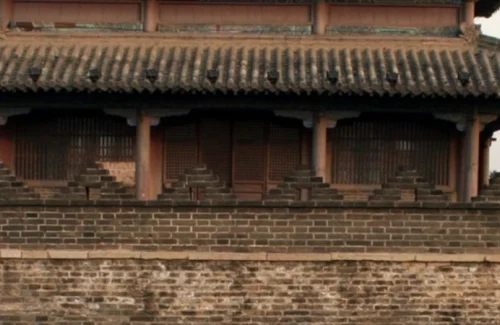
Confucius Kong Fuzi Guide Life Teachings and Visit Qufu 2026
Confucius and Kong Fuzi – Are They the Same Person?
Let’s clear up a common question right away: yes, Confucius and Kong Fuzi are one and the same person—100%. Confucius is actually the Latinized version of his Chinese name, Kong Fuzi (孔子), which means “Master Kong.” His full given name was Kong Qiu (孔丘).
The name “Confucius” came about when Jesuit missionaries in the 16th and 17th centuries tried to make his name easier for Europeans to pronounce and remember. So, when you hear Confucius in the West, know it’s just a Western-friendly version of the great Chinese philosopher Kong Fuzi, the legendary sage who shaped East Asian culture for over two millennia.
Who Was Confucius? The Real Man Behind the Legend
Confucius, also known as Kong Fuzi, was born in 551 BC in the State of Lu, which is today’s city of Qufu in Shandong Province. His early life was marked by hardship—he became an orphan at a young age and came from a modest background linked to the Kong family name, which was respected but not wealthy. Despite this, Confucius worked his way up through various roles, including shepherd, clerk, and eventually a government minister. This journey made him one of history’s first true self-made scholars.
Ancient texts describe Confucius as tall and strong, with a distinctive broad forehead—a physical presence to match his intellectual stature. His life story adds a personal touch to the teachings and philosophies that later carried his name far beyond his hometown. For those interested in diving deeper into his biography, the detailed life of Confucius timeline offers a great resource to explore his remarkable journey.
Why “Kong Fuzi” Became “Confucius” in the West
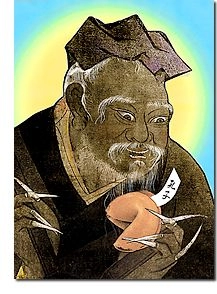
The name “Confucius” comes from early Western attempts to pronounce and write “Kong Fuzi” (孔子), which means “Master Kong” in Chinese. During the 16th and 17th centuries, Jesuit missionaries like Matteo Ricci traveled to China and began introducing Chinese culture and philosophy to Europe. Ricci and his peers Latinized “Kong Fuzi” into “Confucius” to make the name easier for Europeans to say and remember.
This new name quickly spread through European intellectual circles, especially during the Enlightenment. Thinkers like Voltaire and Leibniz popularized Confucius as a symbol of wisdom and moral philosophy. Thanks to their influence, “Confucius” became the standard Western name for the philosopher, embedding him deeply into European and later global culture.
For those interested in the impact of this cultural exchange and how Confucius’ teachings spread beyond China, explore the detailed history of Confucianism in Qufu and beyond.
Core Teachings of Confucianism in Plain English
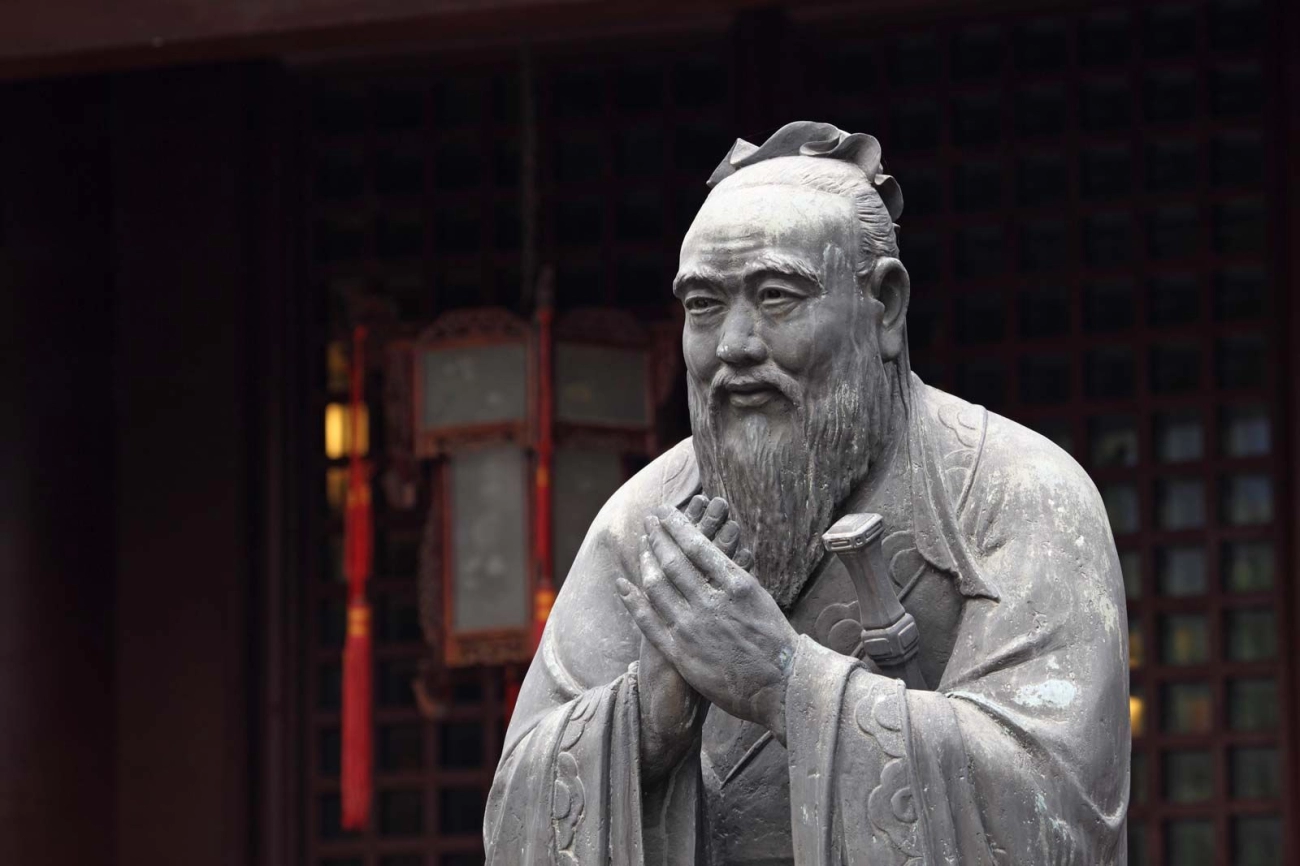
Confucianism centers on practical principles that guide how to live well and treat others. Here are its main ideas, broken down simply:
- Ren (仁) – This means humaneness or benevolence. It’s about kindness and compassion toward others, the foundation of good relationships.
- Li (礼) – Ritual propriety and etiquette. Li teaches us to respect social norms, proper behavior, and ceremonies that maintain harmony in society.
- Xiao (孝) – Filial piety. This is the respect and care children owe their parents and ancestors, emphasizing family loyalty and duty.
- Junzi (君子) – The “superior person” or gentleman. A Junzi acts with integrity, humility, and wisdom, standing apart from petty, selfish behavior.
- The Five Constants – These are core virtues that include Ren (benevolence), Yi (righteousness), Li (propriety), Zhi (wisdom), and Xin (trustworthiness). Together, they guide moral character.
- Rectification of Names – This idea stresses the importance of calling things by their proper names. If leaders, teachers, and citizens fulfill the roles their titles imply, society works better.
Confucius’ Analects provide many short quotes that explain these ideas in everyday terms. For example, “Do not impose on others what you yourself do not desire” (Analects 15:23) highlights Ren, while “The superior person is modest in speech but exceeds in action” (Analects 14:29) captures the essence of Junzi.
For a deeper dive into his actual words, check out the Analects highlights that make these teachings easy to understand and apply today.
Historical Influence – 2,500 Years of Impact
Confucius’ ideas have shaped East Asia for over 2,500 years. For nearly 2,000 years, Confucianism was the official ideology of imperial China, deeply influencing government, education, and society. The civil service examination system, known as keju, was built around Confucian classics, creating merit-based bureaucrats who ran the empire.
Confucianism didn’t just stay in China. Its values spread to Korea, Japan, and Vietnam, forming part of the cultural DNA across East Asia. Respect for family, education, and social harmony all trace back to Confucius’ teachings.
Today, Confucianism is experiencing a modern revival. New Confucianism blends traditional ideas with contemporary challenges. Countries like Singapore emphasize Confucian values in education and governance. Meanwhile, China uses Confucius’ legacy as part of its cultural soft power, promoting understanding through cultural institutes worldwide.
For travelers interested in the roots and modern relevance of Confucius’ legacy, exploring Qufu’s Confucius heritage offers a unique window into this lasting impact.
Qufu – The Living Heart of Confucianism (2025–2026 Travel Focus)
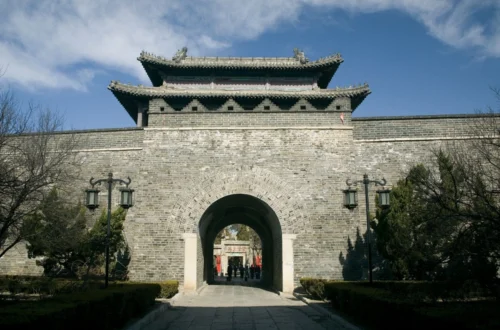
Qufu is the ultimate Confucius pilgrimage site, deeply rooted in history and culture. This small city in Shandong Province is where Confucius was born, lived, and taught, making it a sacred spot for anyone interested in Confucianism.
Temple of Confucius
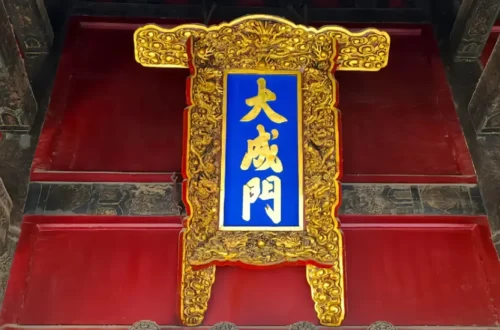
The Temple of Confucius in Qufu is a UNESCO World Heritage site and one of China’s largest and most impressive ancient temple complexes. Spanning over 16,000 square meters, it features exquisite halls, intricate carvings, and well-preserved courtyards. Key areas include the Dacheng Hall, the Confucian gate, and the Pavilion of Ceremonies—each reflecting Confucius’s importance through centuries. You can explore its rich history and architecture in detail in this Temple of Confucius Qufu guide.
Kong Family Mansion
Just a short walk from the temple is the Kong Family Mansion, the former residence of Confucius’s descendants. This sprawling estate showcases the world’s longest continuous family tree, spanning 77 generations. The mansion’s architecture and artifacts provide a unique glimpse into how Confucius’s legacy was preserved within his family line. For more info, see the detailed overview of the Confucius Mansion in Qufu.
Cemetery of Confucius (Kong Lin)
Nearby lies Kong Lin, the Cemetery of Confucius, with over 100,000 tombs in a peaceful, forested setting. It’s a serene place for reflection and offers an immersive experience of Confucian heritage. Walking through Kong Lin’s pathways is like stepping back into history, surrounded by nature and tradition.
Annual Confucius Cultural Festival
Every year on September 28, Qufu hosts the Confucius Cultural Festival, drawing visitors from around the world. The festival features traditional ceremonies, performances, and exhibitions celebrating Confucius’s life and teachings. It’s a vibrant moment to connect with Confucian culture firsthand.
Together, these sites and events make Qufu an essential destination for anyone wanting to experience the heart of Confucianism in 2025 and 2026.
How to Plan Your Qufu Confucius Trip in 2026
Planning a trip to Qufu, the hometown of Confucius, is easier than you might think—especially with 2026 around the corner. Here’s what you need to know:
Best Time to Visit
Spring (April to June) and autumn (September to early November) offer the best weather for exploring Qufu. The temperature is comfortable, and the city’s natural scenery is at its peak. Don’t miss the Confucius Cultural Festival held annually on September 28, a perfect time to experience local traditions and ceremonies. For more details on the ideal season, check out this Qufu weather guide and best times to visit.
How to Get There
- High-speed trains connect Qufu conveniently with major cities:
- About 2 hours from Beijing
- Around 3 hours from Shanghai
- Jinan Yaoqiang International Airport is the nearest airport, roughly an hour away by car. Flights here connect well with most Chinese hubs. If you’re coming from Shanghai, this guide from Shanghai to Qufu can help you plan your route seamlessly.
Where to Stay
- Inside the old city walls: More historic charm and easy access to key sights like the Temple of Confucius.
- Modern hotels outside: Often larger, with more amenities and quieter neighborhoods, suitable for families or longer stays.
Suggested Itineraries
- 1-day trip: Temple of Confucius, Kong Family Mansion, and Cemetery of Confucius.
- 2-day trip: Add a visit to the Confucius Cultural Festival, stroll Qufu’s old streets, and take part in local workshops.
- 3-day trip: Combine Qufu explorations with day trips to Mount Tai or Jinan, two famous spots in Shandong province.
Tickets, Crowds, and 2025–2026 Visitor Rules
- Booking tickets in advance is highly recommended, especially during the festival or public holidays.
- New visitor policies introduced in 2025 may limit daily entries to the Temple of Confucius, so check the latest updates before traveling.
Combine Qufu with Nearby Attractions
Don’t miss out on pairing your Qufu trip with a visit to Mount Tai, one of China’s Five Great Mountains, or the nearby city of Jinan, famous for its springs. This makes for a well-rounded Shandong cultural tour.
For those planning your visit, knowing the seasonal weather patterns and transportation options will make your Qufu experience smooth and enriching. Take advantage of the best time to travel to Qufu to pick when to go, and prepare to dive deep into Confucius’s world in 2026.
Confucius Today – Why He Still Matters in 2025
Confucius’s wisdom continues to influence many aspects of life in 2025. His quotes on ethics, leadership, and family values are widely used in business, parenting, and education across the globe. Leaders often draw on his ideas about integrity and responsibility to inspire trust and teamwork.
At the same time, Confucius Institutes—set up to promote Chinese language and culture—have sparked debate in some countries over politics and influence. Despite this, genuine cultural interest in Confucianism remains strong, especially as more people seek practical guidance in today’s fast-paced world.
Confucius also pops up in pop culture, appearing in movies, TV dramas, memes, and online content, especially in Asian media. This modern presence helps keep his teachings relevant and accessible to younger generations while connecting them to their heritage.
For those interested in exploring Confucius’s lasting impact firsthand, a visit to Qufu, with its rich historical sites like the Temple of Confucius, offers an eye-opening experience into the life and legacy of Master Kong.
Frequently Asked Questions about Confucius and Qufu
Is Kong Fuzi his real name?
Yes, Kong Fuzi (孔子), meaning “Master Kong,” is the traditional Chinese way to address Confucius with respect. His birth name was Kong Qiu (孔丘). “Confucius” is a Latinized version created by Jesuit missionaries long after his time.
Did Confucius actually write the Analects?
The Analects are a collection of teachings and conversations attributed to Confucius, compiled by his disciples after his death. He likely didn’t write them personally, but they reflect his core philosophy.
Can non-Chinese people participate in ceremonies in Qufu?
Yes! Visitors from around the world are welcome to take part or observe traditional Confucian ceremonies held at the Temple of Confucius and during cultural festivals in Qufu.
How long do I need in Qufu?
A 1- to 3-day visit is ideal to explore the main sites: the Temple of Confucius, Kong Family Mansion, and the Cemetery of Confucius. This allows time to soak in the local atmosphere and attend events like the Confucius Cultural Festival.
Are there English guides at the Temple of Confucius?
Yes, English-speaking guides are available at major attractions in Qufu, including the Temple of Confucius. They help international visitors understand the historical and cultural significance. For more details, check out this detailed Qufu travel guide for current visitor services and tips.
For more on exploring Qufu’s sacred sites, the Confucius Cemetery page offers insights into its serene landscapes and importance.


You May Also Like
Qufu Travel Tips for Foreigners Complete Guide to Visiting Confucius Hometown
Discover Qufu China Complete Travel Guide to Confucius Hometown