Why Do People Flock to Qufu Every Year Discover Confucius Heritage
Every year, people flock to Qufu not just to visit a city—but to step into the very birthplace of Confucius and the enduring spirit of Confucianism. This small city in Shandong Province draws more than 14 million visitors annually, all seeking a deeper connection to ancient wisdom, cultural heritage, and vibrant traditions that still pulse through its streets, temples, and festivals. If you’ve ever wondered why Qufu remains a magnetic pilgrimage spot year after year, you’re about to uncover the powerful blend of history, ritual, and living philosophy that makes this place truly unforgettable. Let’s dive in.
The Enduring Legacy of Confucius
Historical Context: Confucius’s Life in Qufu and His Influence
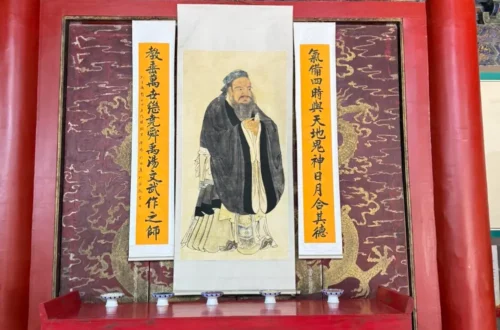
Qufu, a humble city in Shandong Province, is renowned as the birthplace of Confucius, the great philosopher whose teachings have shaped Chinese culture for over two millennia. Born in 551 BCE, Confucius lived, taught, and ultimately left a profound impact on this very soil. His lifetime in Qufu was marked by a relentless pursuit of wisdom, ethics, and social harmony, laying the foundation of Confucianism—a philosophy emphasizing respect, family loyalty, and moral integrity.
Confucius’s influence extends far beyond his birthplace. His ideas became the backbone of Chinese society, influencing governance, education, and interpersonal relationships throughout history. For centuries, Qufu has stood as not only a geographical landmark but a spiritual beacon—an authentic place where the seeds of Confucian thought first took root. Visiting Qufu means stepping into the world that shaped one of history’s most enduring legacies, feeling a connection to the ancient wisdom that continues to inspire millions worldwide.
The Enduring Legacy of Confucius: Cultural Reverence and Confucianism’s Role in Chinese Society
Confucianism has shaped Chinese culture and society for over two millennia. In Qufu, the birthplace of Confucius, this philosophy is more than historical—it’s a living tradition that continues to influence values like respect, education, and family honor. The deep cultural reverence for Confucius is reflected in local customs, education systems, and even modern government policies that promote harmony and ethical leadership.
People across China and beyond look to Confucian teachings as a guide to personal behavior and social order, keeping the legacy vibrant. This cultural respect makes Qufu a key destination for those wanting to connect with these ideals, experience Confucian rituals firsthand, and understand how these ancient ideas still play a role in today’s world. For more insight into Confucius’s impact, check out this detailed guide on Confucius’s heritage in Qufu.
Modern Resonance: Diverse Visitors and Spiritual Appeal
Today, Qufu attracts a wide range of visitors from around the globe, drawn not only by Confucius’s historical significance but also by the spiritual and philosophical depth of Confucianism. Scholars, students, and cultural tourists come to explore the teachings that still influence Chinese society and many other parts of the world. For some, Qufu is a place for quiet reflection and spiritual connection, where ancient wisdom meets personal meaning.
The city’s appeal goes beyond academics—it offers a rare chance to experience living traditions like hanfu rituals, Confucian hymns, and meditation in serene temple settings. This blend of history, spirituality, and culture creates a unique atmosphere that resonates with diverse travelers, from casual visitors to serious Confucian philosophy enthusiasts.
If you’re interested in immersing yourself in Confucius’s enduring influence, planning your visit around events or taking part in study tours can deepen your insight into this philosophy’s ongoing relevance today.
Legacy’s Impact on Annual Visitor Influx and Preservation Efforts
Confucius’s lasting influence is the main reason why people flock to Qufu every year. His philosophy still deeply resonates, drawing scholars, tourists, and cultural enthusiasts from all over the world. This steady stream of visitors not only fuels Qufu’s economy but also drives ongoing preservation projects to maintain historic sites like the Confucius Temple and the Kong Family Mansion.
The influx of tourists encourages local and national authorities to invest in protecting Qufu’s ancient architecture and cultural artifacts, ensuring these landmarks remain intact for future generations. At the same time, ongoing restoration respects the city’s authentic feel and Confucian roots.
For those interested in the historical background behind Qufu’s significance, the story of Confucius’s life and teachings offers valuable insight into why this city holds such spiritual and cultural importance. This connection between legacy and preservation is key to understanding why Qufu remains a must-visit destination year after year.
Iconic Landmarks That Beckon the Faithful: Confucius Temple
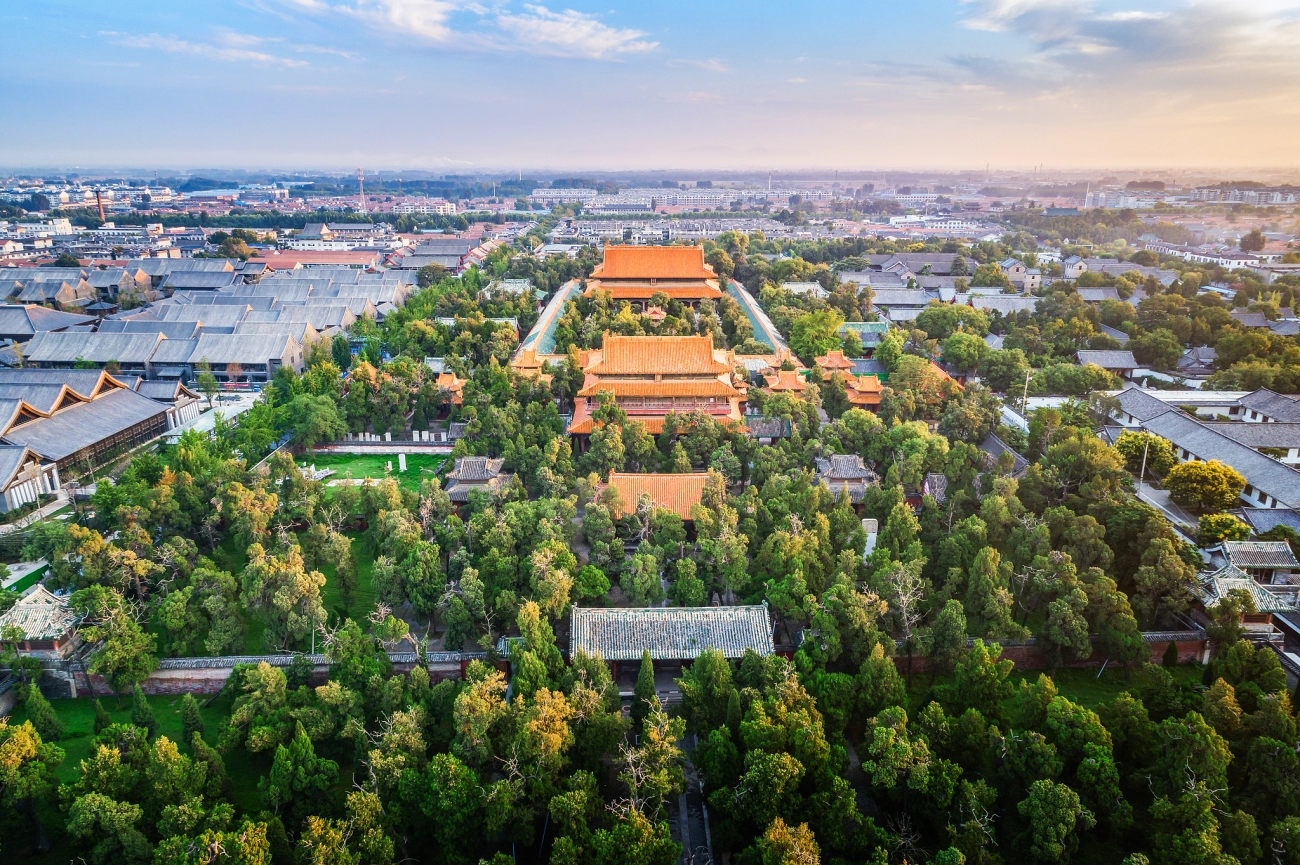
The Confucius Temple in Qufu stands as the world’s largest Confucian shrine and is the heart of the city’s cultural heritage. This vast complex, built initially during the Song Dynasty, showcases classic Chinese architecture with sweeping roofs, intricate wooden carvings, and stone sculptures that honor Confucius’s teachings. Walking through its grand courtyards, visitors encounter numerous halls dedicated to Confucius and other ancient scholars, which highlight the deep respect for education and philosophy that still shapes Chinese culture today. The temple’s scale and detailed craftsmanship make it a must-see destination for anyone drawn to Confucian philosophy or historic sites in Shandong. For those interested, exploring the Temple of Confucius attractions offers a deeper insight into its rich history and stunning architecture.
Kong Family Mansion: Home of Confucius’s Descendants and Cultural Treasures
The Kong Family Mansion in Qufu stands as a remarkable symbol of Confucius’s lasting heritage. This grand estate was home to Confucius’s descendants for over 2,000 years, making it a living link to the philosopher himself. Walking through its sprawling courtyards and well-preserved halls, visitors get a glimpse of traditional Chinese architecture and the lifestyle of Confucius’s lineage.
Inside, you’ll find a wealth of cultural artifacts, including ancient calligraphy, family documents, and historic relics that tell the story of the Kong family’s role in preserving Confucian philosophy. The mansion’s design reflects a harmonious blend of status and simplicity, embodying key Confucian values.
For those looking to dive deeper into Confucius’s life and influence, the Kong Family Mansion offers an immersive experience that complements visits to other UNESCO sites in Shandong. Explore more about this cultural treasure and its significance through the detailed insights provided on the Confucius Mansion page, which helps visitors prepare for their journey here.
Cemetery of Confucius: Expansive Graves and Symbolism
The Cemetery of Confucius in Qufu is one of the largest and most significant burial sites in China. Spanning over 200 acres, it holds the graves of Confucius himself and more than 100,000 of his descendants, making it a powerful symbol of family heritage and Confucian values. The site is arranged with meticulous care, reflecting the importance of ancestry and respect that Confucian philosophy promotes.
Walking through this tranquil space, visitors witness centuries-old tombstones, many inscribed with calligraphy and symbols that embody Confucius’s teachings. The layout emphasizes harmony with nature, reinforcing ideas about balance and reverence for life. For anyone interested in Confucian philosophy travel or Shandong heritage pilgrimage, the cemetery offers a deeply moving experience.
To better plan your visit, you might want to explore detailed maps and guides, like the Qufu map guide for travelers, which highlight the best routes to navigate this vast, historic site.
Extended Sites: Nishan Sacred Relics Museum and Related Confucian Heritage
Beyond the well-known temples and mansions in Qufu, the Nishan Sacred Relics Museum stands out as a key destination for those drawn to Confucian heritage. Located near Nishan Hill, this museum preserves and displays countless artifacts connected to Confucius’s life and teachings. Visitors here get a deeper sense of the philosophy’s roots as well as its ongoing cultural importance.
The surrounding Nishan area itself is rich with historical sites, including ancient ruins and shrines, making it a pilgrimage spot for scholars and spiritual seekers alike. These extended heritage sites offer a tranquil environment to reflect on Confucius’s enduring impact, distinct from the busier center of Qufu city.
For anyone interested in Confucian philosophy travel or exploring the broader Shandong heritage pilgrimage, visiting Nishan complements the classic landmarks and provides a fuller picture of Confucius’s legacy. To plan your full Confucius itinerary, check out detailed tips in the Qufu tourism guide.
International Confucius Cultural Festival: ceremonies, parades, scholarly forums
Every year, the International Confucius Cultural Festival turns Qufu into a vibrant hub of celebration and learning. This event honors Confucius’s legacy through a mix of solemn ceremonies, colorful parades, and engaging scholarly forums. Visitors can witness traditional rites performed at the Confucius Temple, where participants pay respects in the same way scholars have for centuries. Parades fill the streets with music, dance, and hanfu-clad performers, creating a lively atmosphere that connects the past with the present.
The festival also hosts academic conferences and discussions, attracting scholars and students interested in Confucian philosophy from all over the world. These forums deepen understanding of Confucius’s teachings and their relevance today. Whether you’re seeking spiritual reflection or cultural immersion, the International Confucius Cultural Festival offers a unique experience that draws diverse visitors annually.
For those planning to attend, it’s worth exploring Qufu’s cultural scene to get the most from the festival and the city’s rich heritage.
Seasonal Events: Cherry Blossoms, Kite Festival, Harvest Rituals
Qufu’s seasonal events bring the city to life and draw many visitors each year. In spring, the cherry blossoms create a stunning backdrop around the Temple of Confucius and the Kong Family Mansion, perfect for walking tours and photography. The soft pink blooms symbolize renewal and harmony, enhancing the spiritual atmosphere tied to Confucian philosophy.
The Kite Festival in early April is another highlight, celebrating traditional Chinese craftsmanship and family fun. Colorful kites soar over Qufu’s ancient streets, echoing the city’s blend of history and lively community spirit. This event offers a joyful, hands-on experience for travelers interested in cultural immersion.
During autumn, harvest rituals honor the agricultural roots of the region and Confucian values of gratitude and order. These ceremonies often include offerings and performances, connecting visitors with local customs and Shandong’s heritage. Together, these seasonal events showcase the rich cultural cycle that keeps Qufu vibrant year after year.
If you plan your visit around these times, you can enjoy a unique blend of natural beauty and cultural celebration. For tips on the best time to see these events and how to navigate the crowds, check out the best time to travel to Qufu.
Experiential Activities: Hanfu Wearing, Choral Hymns, Cultural Immersion
One of the main reasons people flock to Qufu every year is to dive deep into hands-on cultural experiences. Visitors often dress in hanfu, the traditional clothing from ancient China, linking them directly to Confucius’s era and adding a vivid sense of history to their visit. Participating in choral hymns and ritual music performed at the Confucius Temple brings a powerful spiritual atmosphere, reflecting the solemn respect for Confucian teachings.
Beyond performances, cultural immersion includes workshops on calligraphy, Confucian philosophy study tours, and even tea ceremonies, all designed to connect travelers with the heart of Confucian heritage. These interactive events let visitors experience the values and traditions that have shaped Qufu, making the trips more meaningful and memorable.
If you’re planning your visit, consider timing your trip with the International Confucius Cultural Festival, where these activities are in full swing alongside formal ceremonies and parades. For more details on how to get to Qufu and plan around these events, check out our guide on Qufu transportation options and travel tips.
Economic and Social Impact of Festivals on Qufu
The festivals and rituals dedicated to Confucius have a significant economic and social impact on Qufu every year. Events like the International Confucius Cultural Festival draw thousands of visitors—from scholars and cultural enthusiasts to tourists seeking a unique experience. This influx boosts local businesses, including hotels, restaurants, and craft shops, helping the city maintain its vibrant economy.
Socially, these festivals strengthen community bonds and bring pride to Qufu’s residents by celebrating their rich heritage. The mix of traditional ceremonies, parades, and scholarly forums creates a lively atmosphere that encourages cultural exchange and education. Seasonal events, such as the Kite Festival and hanfu rituals, also engage younger generations, ensuring Confucian values and local customs stay alive.
Overall, these gatherings transform Qufu into a cultural hub with a lasting impact beyond tourism revenue, reinforcing its role as the heart of Confucian heritage. For visitors interested in planning a trip around these events, checking the detailed schedules and travel tips on the Qufu travel guide can be very helpful.
Qufu’s Culinary Heritage: Confucius Family Feast and Traditional Dishes
One big reason people love visiting Qufu is the food, especially the Confucius Family Feast. This isn’t just any meal—it’s a special banquet that dates back centuries, celebrating Confucian values through unique flavors and presentation. The feast features dishes that are carefully prepared using traditional recipes from the Kong family, Confucius’s descendants. Think rich soups, slow-cooked meats, and fresh, seasonal vegetables, all served with a sense of respect and history.
Beyond the feast, Qufu’s local cuisine reflects its deep cultural roots. Dishes often emphasize balance and harmony, mirroring Confucian teachings. You’ll find popular treats like Ji Yang roast chicken, steamed buns, and hand-pulled noodles, all made with local ingredients. For food lovers, tasting these traditional dishes is an essential part of understanding Qufu’s living heritage and vibrant culinary soul.
Qufu’s Sensory Soul: Local Flavors and Street Food Linked to Confucian Values
When you stroll through Qufu’s streets, you’ll notice how deeply Confucian values influence the local food scene. The city’s street food and local flavors aren’t just tasty—they reflect respect, balance, and harmony, which are key to Confucian philosophy.
You’ll find vendors serving traditional snacks like sticky rice cakes, steamed buns, and slow-cooked meats, all prepared with attention to quality and tradition. Meals here often emphasize sharing and community, aligning with Confucius’s teachings about social harmony.
Don’t miss local specialties such as the Confucius Family Feast—a carefully crafted menu that presents dishes in a way that highlights respect for ingredients and cultural heritage. Many dishes lean on fresh, seasonal produce, symbolizing a connection to nature, another important Confucian value.
In short, the tastes you experience in Qufu are more than just food—they’re a sensory reflection of the city’s rich history and Confucian roots. Whether grabbing street bites or sitting down for a traditional meal, you’re partaking in a living cultural experience tied closely to the birthplace of Confucius.
Qufu’s Sensory Soul: Lifestyle in Ancient Streets, Craft Workshops, and Tea Houses
Walking through Qufu’s ancient streets feels like stepping back in time. The city’s well-preserved old town is lined with traditional architecture and stone pathways that echo centuries of history. Along these narrow lanes, you’ll find small craft workshops where artisans skillfully create pottery, calligraphy, and wood carvings inspired by Confucian culture. These crafts aren’t just souvenirs—they’re a living connection to Qufu’s rich heritage.
Tea houses scattered throughout the city provide a peaceful spot to soak in the atmosphere. Sipping traditional Chinese tea here lets you slow down and appreciate Qufu’s unique blend of calm and history. These places often host cultural chats or live performances, offering a fuller experience of Confucian values centered on reflection and respect.
For visitors from the U.S., exploring these lifestyle spots adds another layer to the trip beyond landmarks. It’s about feeling the daily rhythm that’s kept Qufu’s spirit alive for generations. Whether you’re browsing handcrafted keepsakes or enjoying a quiet moment in a tea house, Qufu’s real soul comes through in these everyday experiences.
Qufu’s Sensory Soul: Repeat Visitors and Cultural Nomad Experiences
Many travelers come back to Qufu again and again, drawn by its deep cultural vibe and unique experiences. For those who love Confucian philosophy travel or want to dive deeper into Shandong heritage pilgrimage, Qufu feels like a place to keep exploring.
Here’s why repeat visitors stay hooked:
- Living History: Every visit offers new insights into Confucius’s life and teachings, especially around the famous Temple of Confucius and Kong Family Mansion.
- Cultural Immersion: Visitors often join hanfu rituals or take part in choral hymns, connecting with traditions on a personal level.
- Local Flavors: Returning guests love tasting traditional Confucius Family Feast dishes and enjoying the street food that reflects ancient Chinese values.
- Hidden Corners: Beyond the main sites, cultural nomads explore craft workshops, ancient streets, and tea houses, soaking in the authentic local lifestyle.
- Seasonal Events: Annual events like the International Confucius Cultural Festival and Qufu cultural festival 2025 offer fresh experiences every year.
For locals and travelers from the U.S. looking for more than just sightseeing, Qufu’s rich sensory soul makes every visit feel meaningful and new.
Getting to Qufu: Transport Options and Travel Tips
Getting to Qufu is pretty straightforward, whether you’re coming from within China or internationally. Here’s what you need to know:
- By Air: The closest major airport is Jinan Yaoqiang International Airport, about 2 hours away by car. From there, you can catch a train or taxi to Qufu. For international travelers, Beijing Capital International Airport and Shanghai Pudong International Airport also work well, with high-speed trains connecting those cities to Qufu.
- By Train: Qufu has two main train stations—Qufu Railway Station and Qufu East Railway Station. The high-speed trains from Beijing, Shanghai, or Jinan will get you there quickly and comfortably. This is often the preferred way for U.S. visitors planning a multi-city China trip.
- By Bus: From nearby cities like Jinan or Tai’an, regular long-distance buses run to Qufu. This option is cheaper but takes longer than trains.
- By Car: If you’re renting a car or hiring a driver, Qufu is accessible via highways from major Shandong cities. This can be handy if you want flexibility for side trips to places like Nishan Hill or the Lu Kingdom ruins.
Travel Tips:
- Book trains in advance, especially during festival times or holidays. The International Confucius Cultural Festival, for example, attracts many visitors.
- Use apps like Ctrip or Trip.com for easy ticket booking and transport info.
- Plan your arrival early to avoid crowds and enjoy Qufu’s sites calmly.
- Consider local taxis or ride-sharing apps for getting around town; they’re affordable and convenient.
Getting to Qufu is simple with a bit of planning. Whether you’re on a Confucian philosophy travel study tour or visiting the UNESCO sites in Shandong, these transport options make your trip hassle-free.
Best Times to Visit Qufu and Managing Crowds
If you’re planning a trip to Qufu, timing really matters. The best time to visit is during spring (April to June) and autumn (September to November). During these months, the weather is mild and comfortable, perfect for exploring the Confucius birthplace Qufu, the Temple of Confucius attractions, and other UNESCO sites in Shandong without the summer heat or winter chill.
Spring also brings cherry blossoms and the popular International Confucius Festival events, making it a vibrant time to experience local culture. Autumn, on the other hand, offers colorful foliage and fewer crowds, great for a more peaceful visit.
Managing Crowds in Qufu
- Early mornings and weekdays are less crowded, especially at top spots like the Kong Family Mansion and Confucius Cemetery.
- During major festivals like the Qufu cultural festival 2025, expect big crowds. Plan ahead by booking tickets and accommodations early.
- Use local apps or guides to find quieter routes through the historic sites and avoid peak visitor hours from late morning to afternoon.
- If you want a more authentic experience, try visiting extended sites like the Nishan Sacred Relics Museum outside the city center.
By choosing the right season and timing your visits smartly, you’ll avoid the rush and enjoy the rich cultural heritage Qufu has to offer.
Sample Itineraries for Different Trip Lengths in Qufu
Whether you have a quick weekend or a full week, Qufu offers flexible travel plans that fit your schedule and interests around Confucius’s birthplace and Shandong heritage.
1-Day Itinerary: Highlights in a Dash
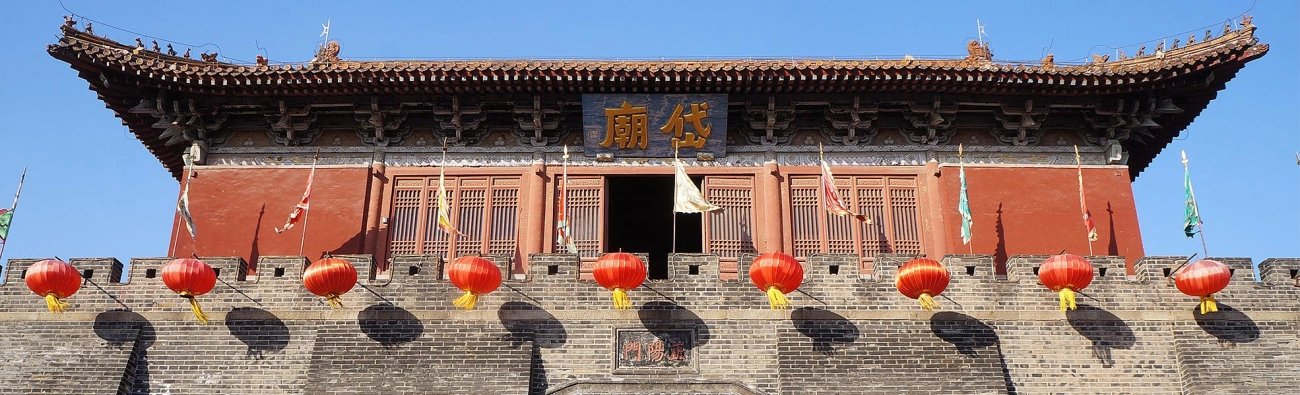
- Morning: Start at the Temple of Confucius to explore the world’s largest Confucian shrine.
- Afternoon: Visit the Kong Family Mansion to see the family’s historic home and cultural artifacts.
- Late Afternoon: Walk through the Confucius Cemetery to reflect on the philosophical roots of the city.
- Evening: Stroll ancient streets and enjoy some local street food tied to Confucian values.
2-3 Day Itinerary: Deeper Cultural Dive
- Day 1: Follow the 1-day plan, adding time to explore the intricate temple grounds and attend any ongoing cultural ceremonies.
- Day 2: Head to Nishan Hill to visit the Sacred Relics Museum and learn about Confucius’s teachings in their original landscape.
- Day 3: Take part in cultural experiences like hanfu wearing or listen to choral hymns if available. Visit tea houses and artisan workshops for a local flavor.
4-7 Day Itinerary: Full Confucian Heritage and Beyond
- First 3 days: Cover main sites plus Nishan visits, and attend seasonal festivals if timing aligns.
- Additional days: Explore Lu Kingdom ruins near Qufu, participate in study tours focusing on Confucian philosophy travel, or relax at eco-lodges while soaking in the local lifestyle.
- Reserve time for International Confucius Cultural Festival if your visit coincides with the event—it adds great depth to your experience.
Quick Tips for Itineraries
- Prioritize sites based on your interest: history buffs focus on Kong Mansion and ruins, while culture fans may prefer festivals and rituals.
- Plan visits around seasonal events for extra vibrancy in your trip.
- Use local apps to book guides or transportation easily.
No matter your schedule, Qufu’s mix of history, culture, and sensory experiences makes every trip memorable.
Insider Tips: Apps, Eco-Lodges, and Temple Etiquette
When heading to Qufu, having the right tools and local knowledge can make your trip smoother and more meaningful. Here are some insider tips to keep in mind:
Must-Have Apps
- Maps.me or Google Maps for offline navigation around Qufu’s historic sites.
- WeChat to connect locally, translate signs, and check event updates like the International Confucius Cultural Festival.
- Trip.com or Ctrip for booking trains, buses, and accommodations in advance, especially during peak festival seasons.
Eco-Friendly Stays
- Look for eco-lodges near the Nishan Sacred Relics Museum or around Qufu’s ancient streets. These spots blend comfort with sustainability and often support local crafts and traditions.
- Staying in family-run guesthouses lets you experience authentic hospitality and contributes directly to the local economy.
Temple and Cultural Etiquette
- Dress modestly when visiting the Temple of Confucius and Kong Family Mansion—cover shoulders and avoid loud colors or flashy accessories.
- Speak softly and respect quiet zones, especially during ceremonies or rituals at Confucius Cemetery.
- Photography is allowed at most landmarks but be mindful of signs restricting flashes or shooting inside certain halls.
- Participate respectfully in cultural events like hanfu rituals or the cherry blossom celebrations but follow guides and avoid disrupting proceedings.
Using these simple tips can help you enjoy Qufu’s rich Confucian heritage comfortably and respectfully while leaving a positive impact on the community and environment.


You May Also Like
Explore Qufu Culture A Complete Guide to Confucius Heritage and Travel
When Was Confucius Born Explore His Birth Date and Origins in Qufu