When Was Confucius Born Explore His Birth Date and Origins in Qufu
The Accepted Birth Date of Confucius
Confucius was born around 551 BCE, with the traditional Gregorian calendar marking his birthday on September 28. This date corresponds to the 27th day of the eighth lunar month in the ancient Chinese calendar, a system based on moon phases rather than the solar year we use today.
The lunar calendar origin of Confucius’s birthday is still significant in East Asia, especially in Taiwan and China, where September 28 is celebrated as Teachers’ Day. This observance honors Confucius’s lasting influence on education and ethics, reflecting his role as one of history’s greatest teachers.
Reliable historical records such as Sima Qian’s Records of the Grand Historian (Shiji) and the Analects support this traditional date, giving credibility to the long-held understanding of when Confucius was born.
Historical Context: The Spring and Autumn Period
Confucius was born during the Spring and Autumn Period (770–481 BCE), a time marked by political chaos and constant struggles among regional states as the Zhou Dynasty’s central authority weakened. This era saw frequent wars and shifting alliances, creating instability but also prompting deep reflection on governance, society, and ethics.
Confucius was born in the State of Lu, located in what is now Shandong Province. The turmoil of this time deeply influenced his philosophy, which centered on restoring harmony and social order through strong moral values, proper rituals, and respect for hierarchy. His teachings aimed to address the conflict and disorder he witnessed firsthand, emphasizing ethics, filial piety, and good governance as foundations for peace.
This historical backdrop is key to understanding why Confucius’s ideas prioritized harmony over conflict and promoted virtues that could stabilize society amid turmoil.
Confucius’s Early Life and Family Background
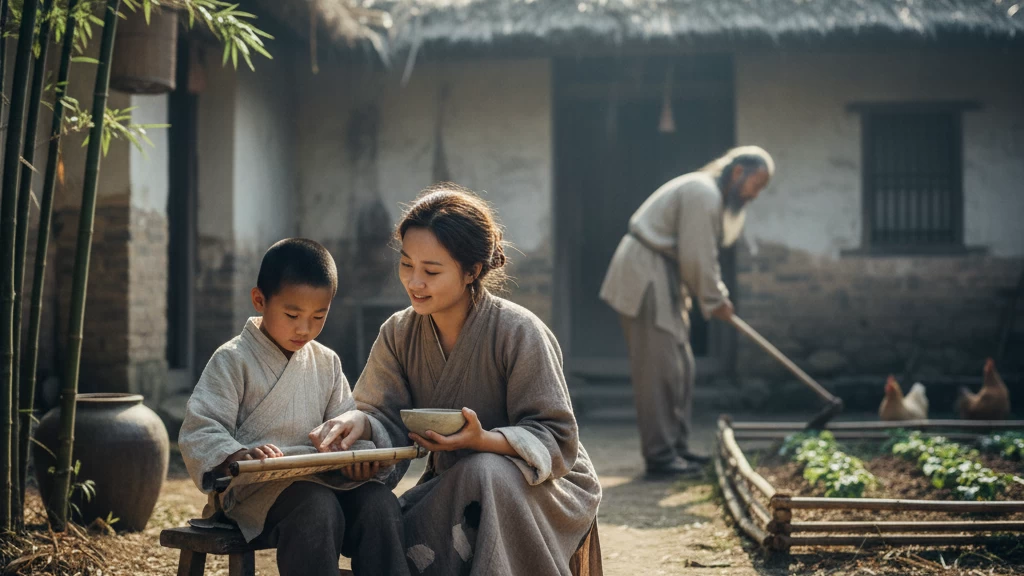
Confucius was born Kong Qiu, with the courtesy name Zhongni. His father, Shu-liang He, was a commander in the state army, reportedly around 70 years old at the time of Confucius’s birth. His mother, Yan Zhengzai, was much younger. Unfortunately, Shu-liang He died when Confucius was just three years old, leaving the family in modest circumstances.
Confucius came from the shi class—an educated yet lower-ranking social group—rather than nobility. Despite their limited means, his family valued learning and morality, which profoundly influenced his later teachings. There are also many traditional stories that speak of auspicious signs at his birth, including legendary creatures like dragons or unicorns appearing, symbolizing his destined importance in Chinese culture and philosophy.
The Birthplace: Qufu – Cradle of Confucianism
Qufu, located in Shandong Province, is known worldwide as the birthplace of Confucius and serves as the spiritual center of Confucianism. Recognized as a UNESCO World Heritage site, Qufu preserves the rich legacy of Confucius through its well-maintained historical landmarks and traditional urban layout.
The city’s key attractions include the Confucius Temple (Kong Miao), the largest and most renowned temple dedicated to Confucius, the Confucius Mansion (Kong Fu), which was the home of Confucius’s descendants, and the Cemetery of Confucius (Kong Lin), where Confucius and many of his family members are buried. These sites together form a cultural complex that reflects Confucius’s teachings on respect, ritual, and social hierarchy.
Qufu’s city layout itself embodies Confucian ideals. Streets and buildings are arranged according to traditional principles of order and harmony, emphasizing clear distinctions in social status and family roles. Visiting this city is like stepping into the heart of a living philosophy where architecture and culture blend seamlessly.
Debates and Uncertainties Surrounding the Exact Date

While Confucius is traditionally believed to have been born in 551 BCE, some scholars debate this, suggesting 552 BCE as a possible alternative. The exact lunar date is also questioned—though the 27th day of the eighth lunar month is widely accepted, it stems from interpretations of ancient calendars that don’t perfectly align with the Gregorian system we use today.
Much of what we know comes from classic sources like the Analects and Records of the Grand Historian by Sima Qian. These texts provide key historical details but were written decades or even centuries after Confucius’s time, which introduces some uncertainty. Despite these minor discrepancies, the traditional date remains the most respected marker, especially in cultural observances honoring Confucius’s legacy.
Modern Celebrations: Confucius’s Birthday in Qufu and Beyond
Confucius’s birthday is a major event, especially in Qufu, the heart of Confucian culture. The Qufu International Confucius Culture Festival is held every year around September and features beautiful dawn ceremonies, traditional Yi Dances, live music, and ritual sacrifices honoring Confucius. It’s a vibrant way locals and visitors come together to celebrate his teachings on ethics and harmony.
Beyond Qufu, Confucius’s birthday is observed in other East Asian regions such as South Korea, Taiwan, and Hong Kong, where it’s often linked to Teachers’ Day—a time to honor educators and wisdom. Taiwan and China officially celebrate this on September 28, reflecting the traditional lunar calendar date.
If you’re planning to visit Qufu for the festival, the best time is late September when the weather is mild and perfect for outdoor events. Booking tickets and accommodations early is a smart move, as the city gets busy. For detailed travel tips on when and how to get there, check out the best time to travel to Qufu and how to reach Qufu by train from Beijing. These resources will help you enjoy the festival without hassle, letting you fully experience the living legacy of Confucius.
Confucius’s Legacy and Why His Birth Matters Today
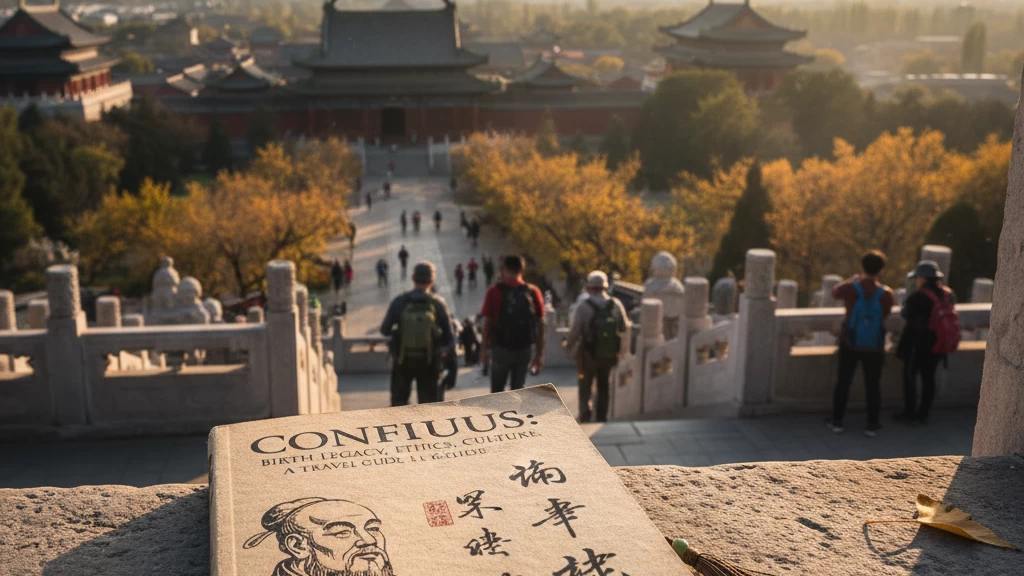
Confucius’s influence stretches far beyond his time, shaping ethics, education, and culture across East Asia. His teachings on filial piety, self-cultivation, and social harmony remain core values in many societies today. These principles encourage respect for family, continuous personal growth, and peaceful community living—ideas that still resonate in modern life.
His birth marks more than just a historical date; it represents the beginning of a philosophy that continues to inspire millions. Visitors to Qufu get a chance to step into this living history, experiencing the roots of Confucian thought where it all began. The city itself reflects these timeless values through its preserved temples and rituals, making it a meaningful destination for those curious about tradition and ethical teachings.
For travelers interested in exploring Confucius’s impact firsthand, the Qufu Travel Guide offers great insights on how to experience the area’s rich cultural heritage and connect with the legacy that started over two millennia ago.
FAQ About Confucius’s Birth and Legacy
When exactly was Confucius born?
Confucius was born around 551 BCE, traditionally celebrated on September 28. This date corresponds to the 27th day of the eighth lunar month in the ancient Chinese calendar.
Where is Confucius’s birthplace?
Confucius was born in Qufu, located in Shandong province. Qufu remains the heart of Confucian culture, featuring the Confucius Temple, Mansion, and Cemetery, all UNESCO World Heritage sites.
How is Confucius’s birthday celebrated in Qufu?
Qufu hosts the International Confucius Culture Festival every year, with dawn ceremonies, traditional Yi Dance, music, and sacrificial rites honoring Confucius’s impact on education and ethics.
What is the traditional vs. modern date for his birthday?
Traditionally, Confucius’s birthday is tied to the lunar calendar—falling on the 27th day of the eighth lunar month. Modern celebrations often use the Gregorian date of September 28, which is also recognized as Teachers’ Day in Taiwan and China.
Fun facts about Confucius:
- Some legends suggest Confucius was unusually tall and wise from birth.
- His given name was Kong Qiu, with the courtesy name Zhongni.
- Descendants of Confucius still live in Qufu, preserving centuries of heritage.
For a deeper dive into his final resting place and cultural influence, check out our detailed page on the Confucius Cemetery and overall Confucius history and philosophy.


You May Also Like

Confucius Symbol Meaning and Iconic Representations in Qufu
Why Do People Flock to Qufu Every Year Discover Confucius Heritage