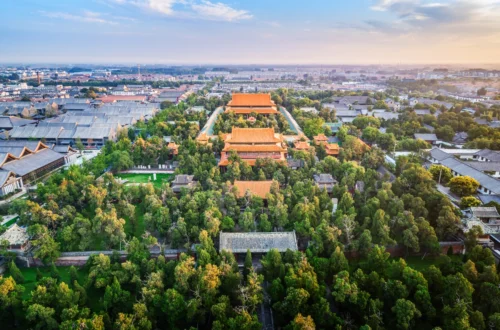
Discover Confucius Plaza New York City History and Cultural Guide
A Storied Past: From Activism to Architectural Milestone
Confucius Plaza stands as a powerful symbol born from a time of activism and urgent community need. In the 1960s and 70s, Chinatown’s growing Asian American population faced limited, often substandard housing options. Visionaries and local leaders demanded dignified, affordable homes, spearheading a push that would reshape the neighborhood. Key pioneers from groups like the Chinese Consolidated Benevolent Association advocated for better resources and recognition during this critical period.
A defining moment came in 1974 with the Asian Americans for Equal Employment protests. These demonstrations not only spotlighted employment discrimination but also galvanized efforts toward community empowerment. The activism energized public officials and secured critical support for affordable housing—transforming the dream of Confucius Plaza into reality.
Funded under New York City’s Mitchell-Lama housing program, the project became one of the first substantial affordable housing cooperatives tailored to Asian American families. This initiative balanced financial viability with cultural sensitivity, reflecting federal urban renewal goals and local civil rights advances simultaneously.
Confucius Plaza’s creation was more than a construction project—it was a milestone woven into the broader tapestry of Chinatown’s ongoing fight for equity. It mirrored the national urban renewal movement while highlighting the unique contributions and resilience of immigrant communities along Manhattan’s Lower East Side.
Architectural Splendor: Design That Honors Heritage and Harmony
Confucius Plaza stands out in Chinatown with its modernist design—a 433-foot tall brown brick tower that blends urban practicality with cultural symbolism. This building doesn’t just offer housing; it reflects the community’s spirit and resilience, making it a landmark both architecturally and socially.
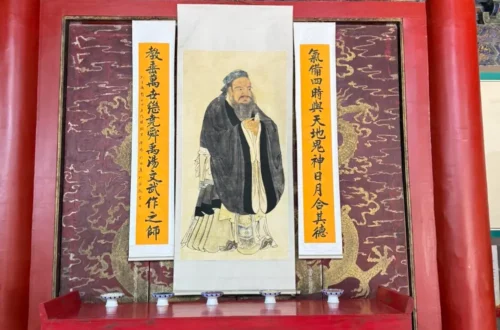
At the plaza’s center is Liu Shih’s iconic bronze statue of Confucius. The sculpture, set on a sturdy pedestal inscribed with Confucian virtues, serves as a powerful reminder of wisdom, respect, and harmony—themes deeply woven into the neighborhood’s identity. The statue is a popular spot for both locals and visitors to pause and reflect.
Surrounding the tower, the design includes an amphitheater and landscaped terraces that encourage gathering and events. These spaces, alongside the plaza’s commercial storefronts, keep the area lively throughout the day, supporting community gatherings, Mahjong games, and local businesses. Confucius Plaza is more than housing; it’s a vibrant center where tradition and city life meet.
Cultural Cornerstone: Confucius Plaza’s Role in Asian American Identity
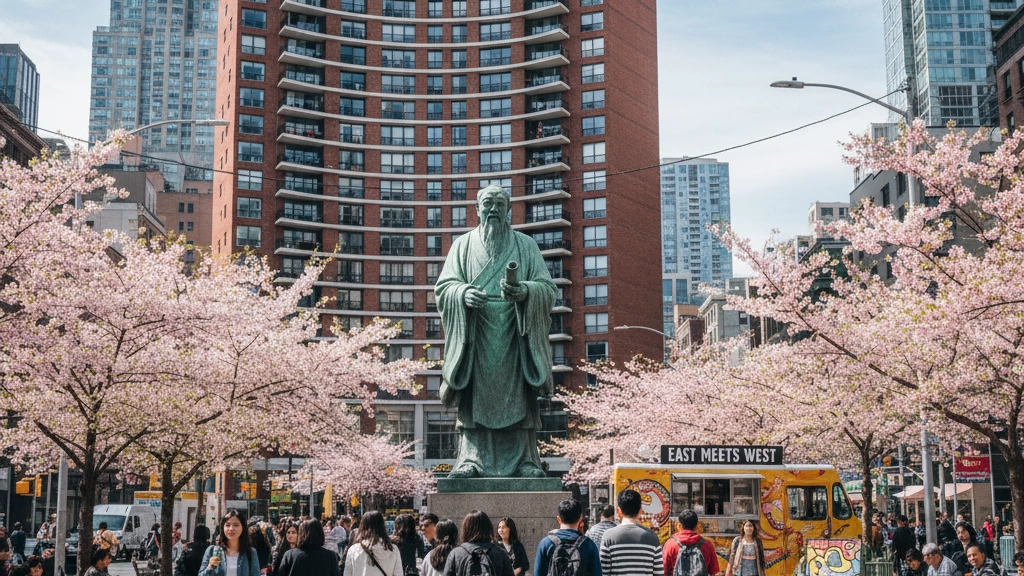
Confucius Plaza isn’t just a building—it’s a living symbol of Asian American strength rooted in Confucian virtues like respect, wisdom, and community. These values have shaped the immigrant experience here, providing a blueprint for resilience amid challenges in a fast-paced city.
The plaza pulses daily with life. From seniors practicing tai chi on the terraces to families gathering for Lunar New Year celebrations, it’s a hub where tradition meets everyday life. During elections, the site even serves as a polling place, reinforcing its role as a community anchor beyond cultural activities.
Practical Guide: How to Experience Confucius Plaza Like a Local
Getting There
Confucius Plaza is easy to reach in Manhattan’s Chinatown. Take the F or J/Z subway lines to East Broadway or Delancey Street stations, both just a short walk from the plaza. Several MTA buses also stop nearby on Canal and Grand Streets. If you’re walking from nearby neighborhoods like the Lower East Side, it’s a quick 10-15 minute stroll. The plaza is wheelchair accessible, with ramps and elevators for smooth access.
Best Times to Visit
If you want a peaceful vibe, visit on weekday mornings when the plaza is quiet and locals start their tai chi routines. Weekends offer a livelier atmosphere with families, weekend markets, and Lunar New Year festivities in season. Spring and fall are particularly pleasant when the weather is mild, making the open terraces and amphitheater comfortable for relaxing.
What to Do On-Site
- Snap photos with the iconic bronze Confucius statue NYC, a symbol of wisdom and heritage.
- Join or watch local residents practicing tai chi—early mornings are the best time.
- Explore the terraces and amphitheater, perfect spots to rest or people-watch.
- Grab authentic dim sum or bubble tea from nearby eateries—perfect for a quick bite after your plaza visit.
Etiquette Essentials
- Show respect near the Confucius statue and community spaces by avoiding loud noises and littering.
- Photography is welcome, but be discreet, especially during community gatherings or celebrations.
- Using simple Mandarin greetings like “Ni hao” can go a long way with locals and shopkeepers.
Nearby Must-Sees: A Quick 2-Hour Itinerary
- Museum of Chinese in America (MOCA): Just a few minutes’ walk, MOCA offers deep insights into Chinatown Manhattan history and Asian American activism.
- Columbus Park: A vibrant community hub where locals play mahjong and practice tai chi, great for people-watching or mingling.
- Doyers Street: Known for its Bowery landmarks and historic vibe, it’s ideal for a casual stroll and street food snacks.
For those interested in diving deeper into the Confucius legacy while visiting Chinatown, the Confucius Mansion guide and Qufu history provides excellent context connecting NYC’s cultural statue to its ancient roots.
Living the Legacy: Inside Confucius Plaza Today
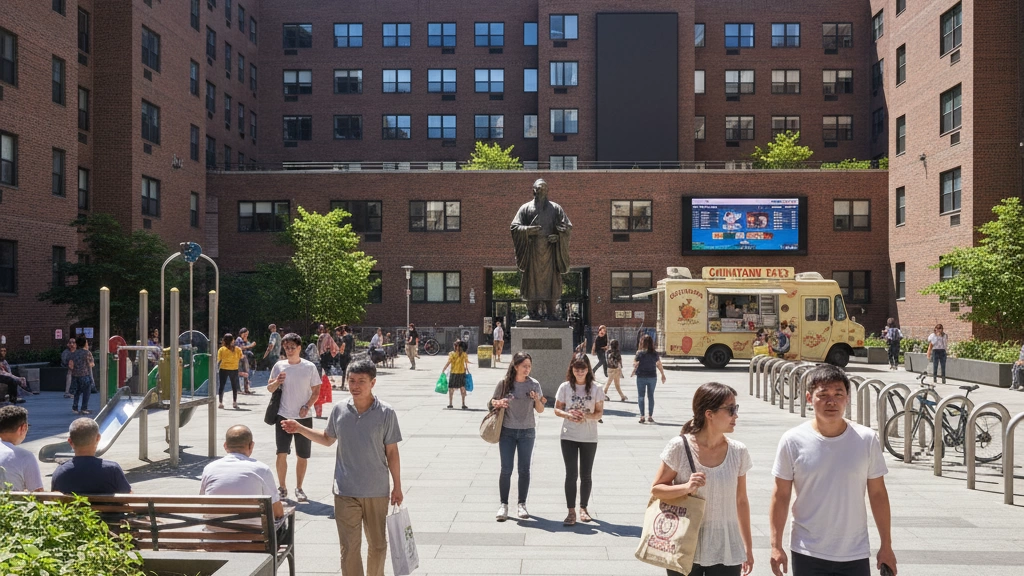
Confucius Plaza remains a vital part of Chinatown’s fabric, especially through its cooperative housing model. Residents benefit from affordable shares under the Mitchell-Lama program, which helps maintain stable living costs in the midst of rising Manhattan rents. The co-op’s management fosters a close-knit community where families live alongside seniors, making it more than just a building but a home. On-site daycare centers and health clinics address everyday needs, supporting multi-generational families and promoting well-being.
Despite these strengths, Confucius Plaza faces challenges like gentrification pressures and limited lottery access for new buyers. Keeping affordability affordable requires ongoing advocacy, balancing market forces with community values. Looking ahead, there are plans to expand senior housing to serve the aging population better, reflecting a deep commitment to supporting Asian American residents throughout their lives. This vision aligns with Confucian ideals of respect and care, making the plaza a living example of cultural and social resilience.
Why Confucius Plaza Matters: Reflections on Wisdom in the City That Never Sleeps
Confucius Plaza stands as more than just a building; it’s a beacon of altruism and respect amid the hustle and bustle of New York City. In an age where urban life often feels isolating, the plaza reminds us of Confucian values—kindness, community, and harmony—that connect people across cultures and generations. This spirit of togetherness counters modern disconnection, fostering a sense of belonging for Chinatown’s residents and visitors alike.
To truly appreciate Confucius Plaza and its deep cultural roots, consider joining a Chinatown walking tour. These guided experiences bring to life the neighborhood’s rich history, activism, and architecture, offering intimate encounters with the community’s heritage. And if you’re inspired to explore Confucian wisdom further, the detailed insights found in the Qufu Travel Guide provide a meaningful connection to the original hometown of Confucius and his teachings.
Confucius Plaza, with its iconic Confucius statue and role in Asian American activism, remains a vital symbol of resilience and cultural pride in New York City. As Confucius said, “It does not matter how slowly you go as long as you do not stop.” This enduring reminder resonates here, encouraging both reflection and forward movement in the ever-changing landscape of the city.


You May Also Like
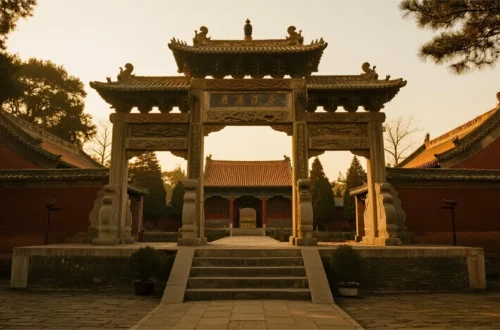
What Is the Meaning of Qufu Exploring Confucius’ Hometown and Heritage
Explore Qufu Culture A Complete Guide to Confucius Heritage and Travel