Confucius Mansion Guide Qufu History Travel Tips and Tickets
The Historical Tapestry From Humble Abode to Imperial Rival
The Confucius Mansion, also known as the Kong Family Mansion, began as a modest residence following Confucius’s settlement in Qufu. Over centuries, it evolved dramatically, mirroring shifts in Chinese dynasties and social structures. During the Song, Ming, and Qing periods, the mansion expanded, reflecting both growing reverence for Confucius’s legacy and the rising status of his descendants.
Key milestones shaped its grandeur: by the 19th century, the mansion had grown to encompass 560 rooms, rivaling even the scale of many imperial residences. Despite a devastating fire that required significant rebuilding, the site maintained its cultural importance. This era also marked the end of the hereditary title Duke Yansheng, once held by Confucius’s descendants, signaling a transition to modern governance but not diminishing the family’s symbolic role.
Culturally, the Kong family was entrusted with vital ritual duties and unique privileges granted by emperors, positioning them as moral guardians of Confucian ethics. The mansion stood not just as a home but a living symbol of Confucian values and imperial favor, intertwining family legacy with national identity.
For those interested in tracing this rich history visually, a timeline infographic of the mansion’s expansions and key moments offers an engaging overview, highlighting how the residence transformed from a humble abode into a symbol of imperial stature.
Explore more about the intertwined heritage of Qufu’s Confucius sites in our Qufu Culture Guide.
Architectural Marvels A Blueprint of Confucian Order
The Confucius Mansion’s layout clearly reflects Confucian values and social order. At the front, you’ll find yamen-style offices—these were the administrative spaces where the family managed official affairs. Moving backward, the complex shifts into residential quarters, showing a clear division between work and home life. The mansion includes nine distinct courtyards, each representing a different level of hierarchy and importance within the Kong family.
Central to the mansion are the main halls, including Yi Gun, the hall reserved for the eldest descendant. On either side, you’ll see eastern and western study rooms where scholarly activities took place. Beyond these lies a tranquil rear garden oasis, offering a peaceful contrast to the structured layout.
Design-wise, the mansion emphasizes symmetry and feng shui principles, creating balance and harmony throughout the complex. Covering 12,470 square meters and featuring around 480 rooms, it’s the second-largest historic residence in China—only behind the Forbidden City in Beijing.
For photographers, the Shengfu Gate stands out as the best spot to capture the mansion’s impressive scale and intricate design details.
Treasures Within Artifacts That Whisper Ancient Wisdom
The Confucius Mansion houses an impressive collection of over 100,000 relics, dating back to the Shang and Zhou dynasties. Among these are ceremonial utensils used in ancient rites, along with detailed portraits and robes from the Ming and Qing eras. These items offer a tangible link to Confucian traditions and the rich history of the Kong family.
Standout pieces include the Confucius family tree scrolls, meticulously maintained through generations, and imperial edicts granted by emperors that highlight the Kong family’s unique status and their role in global Confucianism. These artifacts not only tell China’s story but also reflect Confucius’s worldwide influence.
Preserving this heritage goes beyond safeguarding objects. The mansion blends dynasty-era care with modern museum techniques to ensure these treasures endure for future visitors. For those who can’t visit in person, interactive virtual tours and high-resolution close-ups of key artifacts provide a detailed look at this priceless collection.
For a deeper dive into Confucius heritage and historic sites in Qufu, check out the Confucius Temple history and architecture guide.
Visiting Essentials Your Seamless Guide to Confucius Mansion
Location and Access
The Confucius Mansion is located just east of the famous Confucius Temple in Qufu, making it easy to explore both sites in one trip. If you’re coming from Beijing or Jinan, the fastest option is the high-speed rail to Qufu Station. From there, local buses and taxis can quickly get you to the mansion and nearby attractions.
Hours and Tickets
The mansion is open daily, usually from 8 am to 6 pm, but hours can vary by season. It’s best to check current opening times before your visit. Tickets are often sold together with the Confucius Temple as a combo pass, which saves money and time. Peak seasons like Chinese national holidays get busy, so booking tickets in advance is a smart move.
Local Tips for a Smooth Visit
- Download offline maps of Qufu to avoid relying on spotty internet.
- Pair your mansion visit with a trip to the Confucius Cemetery nearby, accessible by local bus or taxi.
- Wear comfortable shoes — the site is large with lots of walking.
- Early mornings tend to be less crowded for a more peaceful experience.
How to Get There from Qufu Station
- Exit Qufu Station and take Bus #5 or a taxi heading east toward the Confucius Temple area.
- The ride is about 10 minutes and costs less than $2 by bus.
- The Confucius Mansion is clearly signposted right next to the temple complex.
This seamless access and practical local info ensure your visit to the Confucius Mansion is hassle-free and fully enjoyable.
Insider Itinerary Crafting Your Perfect Day at the Mansion and Beyond
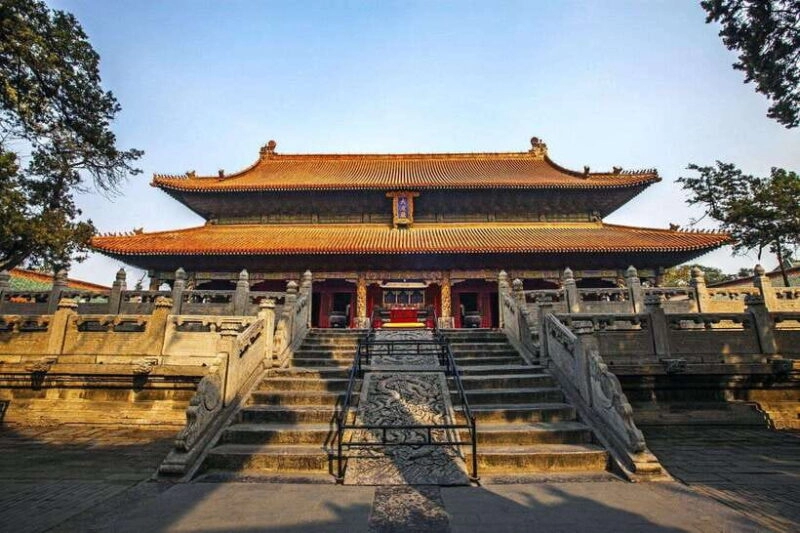
Planning your visit to the Confucius Mansion in Qufu can be simple and enjoyable with the right itinerary. Here’s a quick guide to make the most of your day:
Half-Day Plan
- Morning: Start with a visit to the Confucius Temple nearby. It’s a grand introduction to Confucian heritage and just a short walk away.
- Late Morning: Head to the Confucius Mansion (Kong Family Mansion) to explore the sprawling grounds and historic rooms.
- Afternoon: Take a leisurely stroll through the Confucius Cemetery, where generations of the Kong family rest. It offers a peaceful end to your cultural tour.
Themed Routes
For a deeper dive, try these special routes inside the mansion:
- Family Legacy Walk: Focus on the Kong family’s history, including key artifacts and ancestral halls.
- Artifact Hunt: Discover highlights like imperial edicts, ceremonial items, and ancient Scrolls.
Qufu Extensions
If time allows, check out these nearby spots:
- Mencius Temple: Another important Confucian site, a nice complement to your visit.
- Confucius Research Institute: Offers insights into ongoing Confucian studies.
- Evening Street Food: Wrap up your day enjoying local Shandong snacks and dishes around Qufu’s lively streets.
Customization Tips
- Solo Travelers: Follow the themed walks at your own pace, use audio guides or the interactive virtual tour for added context.
- Groups: Consider guided tours that cover both the mansion and temple, plus nearby cultural sites.
- Rainy Days: Spend more time inside the mansion’s halls and museum exhibits, or visit the Confucius Research Institute for indoor learning.
For a more detailed overview of Qufu’s top attractions and travel tips, check out the Qufu Travel Guide.
Planning to explore the Confucius Temple as well? This Confucius Temple History and Tours guide can help you combine your visits smartly.
Cultural Echoes Why Confucius Mansion Resonates Today
Confucius Mansion isn’t just a historic site—it’s a living symbol of values that still matter. The teachings of Confucius remain relevant for modern ethics, education, and even sustainability. His ideas about respect, responsibility, and harmony inspire how communities and leaders think about creating balanced, lasting progress today.
Visitors from around the world share stories of how the mansion’s atmosphere and artifacts deepen their understanding of Confucian philosophy. Many highlight the global impact of these ideals, linking ancient wisdom to modern challenges. UNESCO recognizes the mansion not only for its architectural beauty but also for its role in preserving cultural heritage that connects past and present.
Traveling sustainably here means supporting local artisans and businesses that help keep Qufu’s traditions alive. Simple eco-friendly choices—like choosing locally made souvenirs or dining at family-run eateries—make a difference and enrich your experience.
For those planning a visit, the Qufu Travel Guide offers authentic experiences that connect you with real local culture—not just a tourist checklist. Whether you’re exploring Confucian rituals or tasting traditional street food, it ensures your trip leaves a genuine impression while respecting the community.

