Confucius Plaza NYC History and Cultural Guide to Chinatown Landmark
If you’ve ever walked through Chinatown in NYC, the towering brown-brick silhouette of Confucius Plaza probably caught your eye—and for good reason. More than just a building, it’s a landmark steeped in history, resilience, and the Asian American community’s fight for equal housing rights in the 1970s. This 44-story cooperative isn’t just where over 700 families live; it’s a living story of urban renewal, cultural pride, and social justice that continues to shape the neighborhood today. Curious about how one plaza became a cultural beacon in Lower Manhattan? Let’s dive into the untold stories, iconic statues, and neighborhood gems that make Confucius Plaza a must-see—and must-know—destination in NYC.
The Origins: From Urban Renewal to Community Triumph
In the 1970s, New York City faced a severe housing crisis. Decades of urban decay and discriminatory housing policies had left many minority communities, including Chinatown, crowded and underserved. Overcrowding and substandard living conditions were the norm, fueled by historical neglect and redlining practices that limited opportunities for Asian American families.
Confucius Plaza emerged from a bold vision to change this narrative. As a federally funded cooperative housing project under the Mitchell-Lama program, it aimed to provide affordable, quality homes while fostering community pride. Unlike typical urban renewal efforts that displaced residents, this development prioritized the voices and needs of Chinatown’s residents.
The plaza’s creation also coincided with a pivotal moment in Asian American civil rights. In 1974, Asian Americans for Equality organized protests demanding fair employment and equal opportunities in construction jobs and city contracts. These protests marked a crucial milestone, highlighting the community’s fight against systemic discrimination and helping secure their stake in neighborhood redevelopment.
Chinatown itself had evolved dramatically—from farmland in the 19th century to a bustling immigrant enclave. As new arrivals crowded into tenements, the area became a symbol of perseverance amid challenges. Confucius Plaza today stands as a tribute to this rich history and the collective efforts that transformed urban policy into a community triumph.
Architectural Marvel and Design Highlights
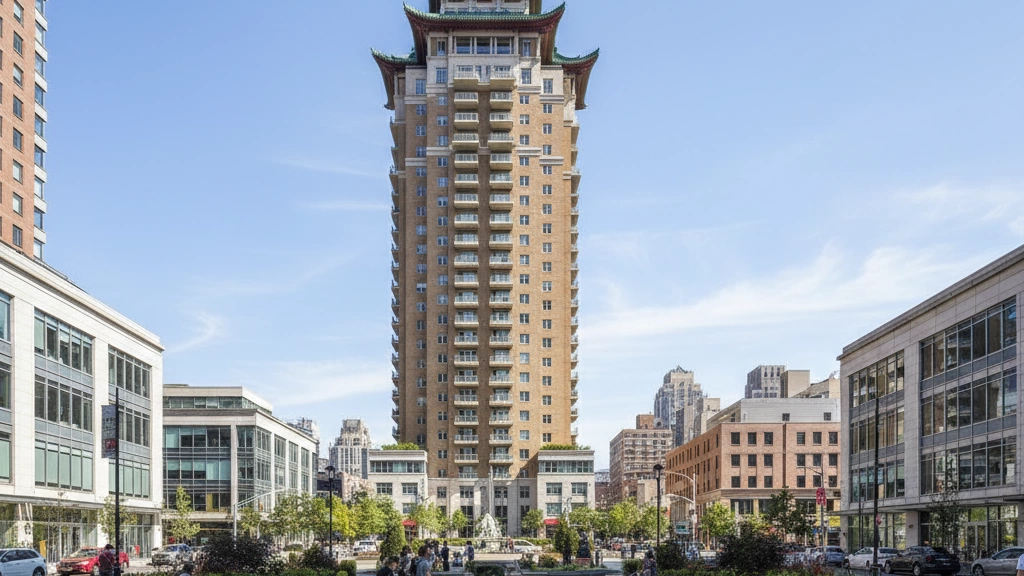
Confucius Plaza stands out with its 44-story brown brick tower, a striking presence in Chinatown’s skyline. Beneath the building lies impressive urban engineering, including the Second Avenue Subway tunnel running close by—showcasing a clever integration of city infrastructure and residential space. Around the tower, spacious public plazas and seating areas provide a welcoming environment for residents and visitors alike.
As one of NYC’s affordable low-income co-op models, Confucius Plaza was developed under the Mitchell-Lama program, aimed at creating long-term affordable housing. This approach influenced ongoing debates about housing affordability, proving that thoughtful architecture and community focus can make a real difference in urban living.
For architecture enthusiasts, the building offers panoramic views of Manhattan Bridge and the Lower East Side, blending cultural heritage with modern urban life. The design balances functionality with a strong community spirit, making it both a practical home and a landmark in NYC’s affordable housing history.
The Statue of Confucius: A Symbol of Wisdom and Gratitude
At the heart of Confucius Plaza stands a striking 15-foot bronze statue of Confucius, a gift from the Chinese government that reflects deep diplomatic ties. Created by sculptor Liu Shih, this statue honors the ancient Chinese philosopher known for teachings on harmony, respect, and community values—ideals that resonate with the spirit of the plaza.
The statue isn’t just a centerpiece; it symbolizes wisdom and gratitude, inspiring residents and visitors alike. Confucius’s philosophy of balance and social harmony is visible in the cooperative nature of the housing and the neighborly atmosphere within the plaza.
For visitors, the statue offers perfect photo opportunities, especially against the backdrop of Manhattan Bridge views and the surrounding cityscape. It also becomes a focal point during Lunar New Year celebrations and other cultural events, linking local traditions with global Confucius heritage. Those interested in diving deeper can explore community festivals and programs connected to Confucius’s teachings and visit nearby cultural institutions that celebrate his legacy. For more insight on this cultural icon, check out the detailed Confucius symbol guide.
Life at Confucius Plaza: Community Stories and Daily Rhythm
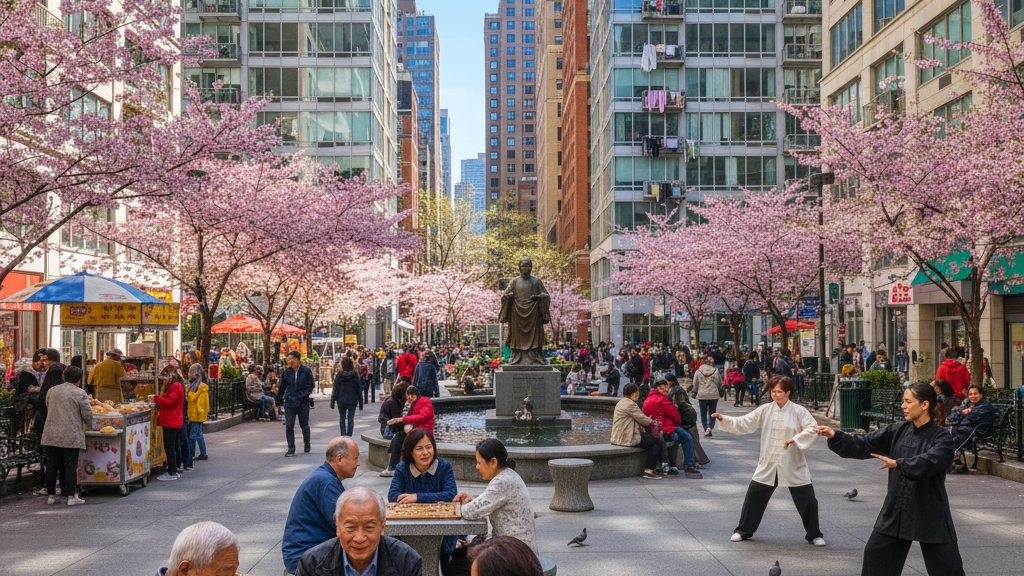
Confucius Plaza is more than just a building; it’s a lively community where multigenerational families live side by side. Residents often share stories of grandparents, parents, and children all under one roof, creating a supportive family atmosphere that’s rare in a city this size. The cooperative nature of the housing encourages participation in community programs—everything from language classes to cultural events brings neighbors together.
At the ground level, social activities like tai chi mornings, Mahjong clubs, and seasonal celebrations keep the plaza buzzing. These gatherings reflect Chinatown’s vibrant cultural life and help residents feel connected despite the fast pace of New York City.
Of course, maintaining a large complex like this comes with challenges. Keeping affordability intact amid rising city costs is an ongoing effort, with local organizations and tenant groups actively advocating to preserve moderate-income housing options here. This commitment ensures the plaza remains a safe haven for a diverse mix of residents, reinforcing its reputation as an inclusive space that welcomes newcomers and longtime locals alike.
Exploring the Surroundings: Integrating into Your Chinatown Itinerary
Confucius Plaza sits right in the heart of Chinatown, making it easy to explore some of the neighborhood’s best spots on foot. Just a few steps away, you’ll find Sara D. Roosevelt Park, a green oasis perfect for a stroll or people-watching. Nearby, the historic Mahayana Buddhist Temple offers a peaceful retreat and a glimpse into Chinatown’s spiritual side.
When it comes to food, Chinatown is a treasure trove of authentic eateries. For those wanting traditional Chinese flavors, spots like Wo Hop serve classic Cantonese dishes, while vegetarian-friendly places such as Buddha Bodai cater to plant-based tastes without skimping on flavor. Don’t miss the small, tucked-away bakeries where you can try fresh egg tarts or steamed buns.
Beyond the well-known, there are hidden gems like the Museum of Chinese in America, which provides deep insights into the immigrant experience. To get around easily, many locations are accessible by wheelchair or stroller, and plenty of benches and shaded areas make resting convenient.
Chinatown’s cultural calendar is alive year-round, but Lunar New Year festivities truly stand out, filling the streets with music, dragon dances, and colorful parades that connect visitors with the community’s vibrant heritage.
For visitors eager to understand more about Confucius’s influence here, exploring local cultural centers provides context not just to the plaza, but to Chinatown’s bigger story. If you’re curious about Confucius’s roots and teachings beyond NYC, check out this detailed guide on Confucianism in Qufu vs. other regions of China, the philosopher’s hometown.
Visiting Confucius Plaza: Practical Tips for Travelers
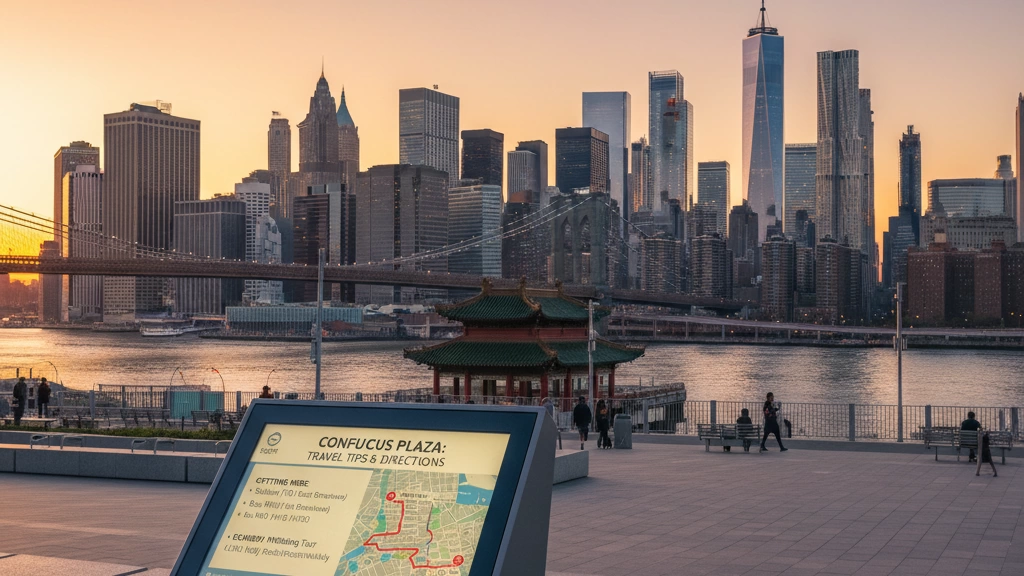
Getting to Confucius Plaza is pretty straightforward. The closest subway stops are at the Delancey Street station (F, M, J, Z lines) and the East Broadway station (F line), both just a short walk away. If you prefer buses, several MTA lines serve Chinatown directly. For those driving, parking can be limited, so using public transit is usually easier.
The best times to visit are weekday mornings or early afternoons when the plaza is calm and less crowded—perfect for photos or a peaceful stroll. If you come during weekends or Lunar New Year events, expect a livelier atmosphere full of energy and celebrations. When taking pictures, be respectful of residents’ privacy, especially in shared spaces. It’s best to ask before photographing people or private areas.
Planning meals nearby won’t break the bank—there are plenty of affordable eateries offering authentic Chinese and vegetarian dishes just steps away. For families and visitors who don’t speak English, Chinatown is welcoming and accessible, but it helps to have a translation app or phrasebook on hand when exploring smaller shops or eateries.
Legacy and Looking Ahead: Why Confucius Plaza Endures
Confucius Plaza stands as a lasting example of equitable urban development, showcasing how affordable housing can be integrated thoughtfully within a dense city like New York. From its roots in the 1970s NYC housing crisis, this Mitchell-Lama co-op project has empowered immigrant families—especially the Asian American community—providing a safe, affordable home in Chinatown’s heart. Its success has inspired similar affordable housing efforts across the city, reinforcing the importance of community-focused planning.
Looking forward, Confucius Plaza is set for ongoing renovations to modernize facilities while keeping rents accessible. These improvements aim to preserve the community’s spirit while adapting to current needs, ensuring the plaza remains a vibrant hub for moderate-income residents.


You May Also Like
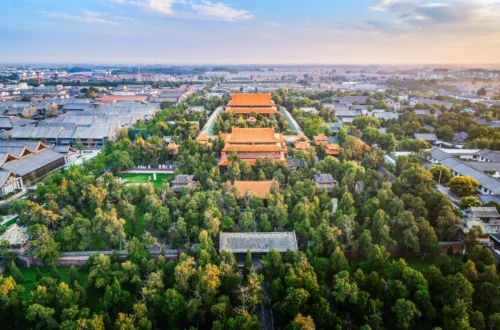
Why Do People Flock to Qufu Every Year Discover Confucius Heritage

Confucius Symbol Meaning and Iconic Representations in Qufu