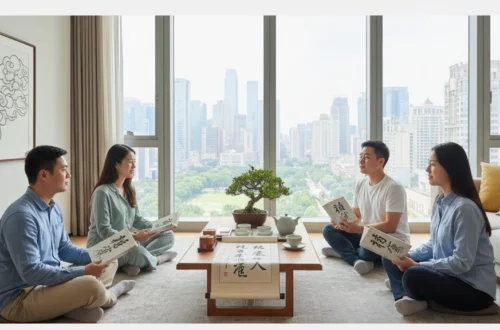
Discover Confucius in Qufu A Complete Travel and Heritage Guide
The Life and Legacy of Confucius
Confucius, born in 551 BCE in the humble town of Qufu, China, remains one of history’s most influential thinkers. His early years were marked by curiosity and a deep desire to understand human nature and society. Growing up in a time of social chaos during the Spring and Autumn period, Confucius was shaped by the challenges around him, inspiring his lifelong mission to restore harmony and order through ethical principles.
At the heart of his teachings were ideals like ren, or benevolence, and filial piety, emphasizing respect within families and communities. These core ideas, collected in the famous Analects, still guide millions today. Confucius believed that moral character and proper conduct were keys to a just society—a vision that continues to shape not only Chinese culture but also philosophies and governance around the world.
His legacy stretches far beyond ancient texts. Confucius’ wisdom echoes in modern values of respect, education, and community. As we explore Qufu—the master’s birthplace—we connect directly to the roots of these timeless principles, feeling the quiet power of a philosophy that teaches us how to live well and with purpose. Can you imagine walking the same streets where Confucius once pondered the meaning of virtue?
Exploring Qufu’s Three Kongs The UNESCO Heart of Confucian Heritage
Qufu, the birthplace of Confucius, is home to the famous “Three Kongs”—the Confucius Temple, Kong Family Mansion, and Cemetery of Confucius. These sites are recognized as UNESCO World Heritage treasures and represent the core of Confucian heritage in China.
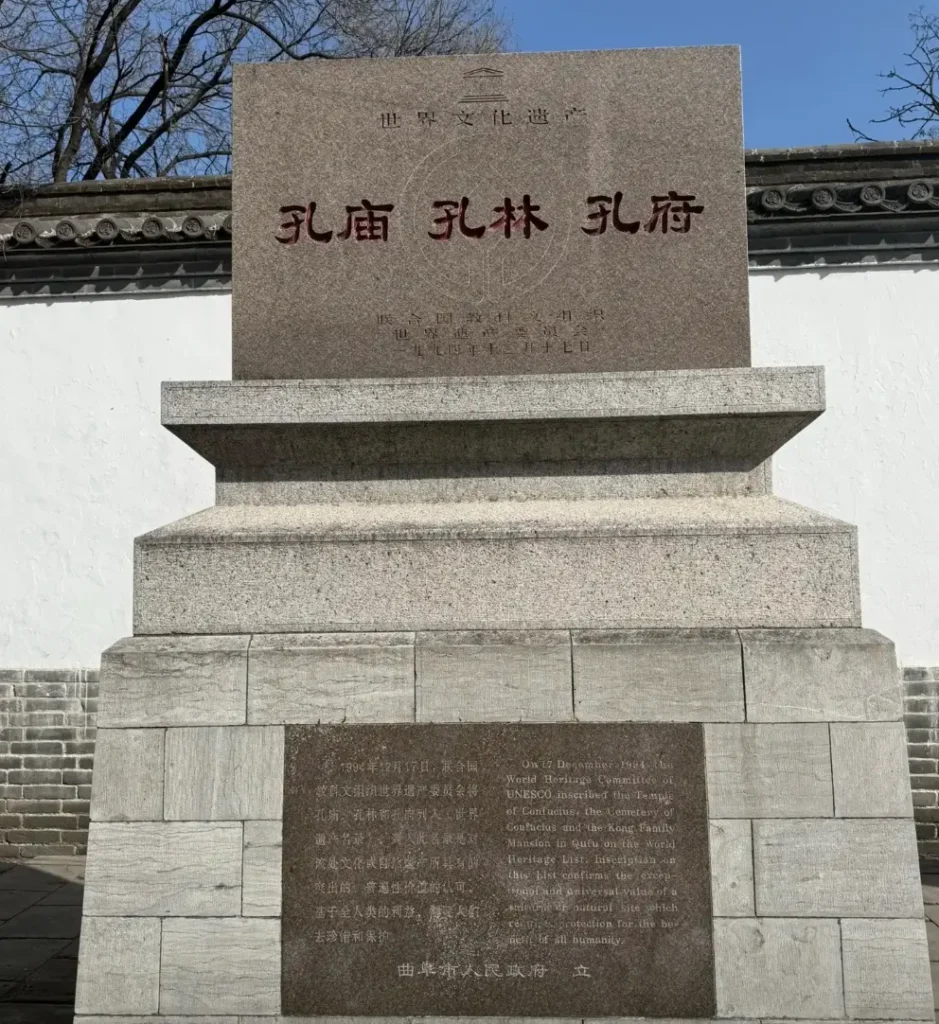
Confucius Temple A Monument to Wisdom and Ritual
The Confucius Temple in Qufu is a massive complex honoring the Spring and Autumn sage. It’s full of traditional Chinese architecture, stone tablets, and sacrificial halls that showcase centuries of ritual practice. Visiting here gives you a real sense of Confucius’s lasting influence on education, ethics, and societal order.
Kong Family Mansion Inside the Private World of the Kong Clan
Next up is the Kong Family Mansion, once home to Confucius’s descendants. It’s an impressive estate with courtyards and furnishings that reveal how the Kong clan maintained Confucian traditions. Touring the mansion helps you understand the family’s role in preserving Confucius’s teachings across generations.
Cemetery of Confucius Eternal Rest and Reflection
Finally, the Cemetery of Confucius offers a peaceful place for reflection. It’s the resting place of Confucius and thousands of his descendants. Walking among the ancient tombs here connects you to the deep respect for filial piety and the legacy of Ren, or benevolence, central to Confucian philosophy.
Together, these Three Kongs make Qufu a must-visit for anyone interested in the roots of Confucian thought and Chinese cultural history.
Beyond the Classics Hidden Gems and Immersive Experiences in Qufu
Qufu offers more than the famous Confucius Temple and Kong Family Mansion. To truly connect with Confucius’s roots, head to Nishan Sacred Land. This area is where Confucius was born and where you can retrace his early life and deep philosophical beginnings. The peaceful hills and scenic trails make for a meaningful hike that blends nature with history.
Nearby, Confucius Six Arts City and Yan Temple offer hands-on experiences where you can explore Confucian culture through art, music, calligraphy, and traditions. These spots bring the Analects teachings and the Spring and Autumn sage philosophy to life beyond books.
For a fresh take on Confucian heritage sites, Qufu also offers night tours and lively festivals. These modern twists highlight local customs, elaborate performances, and light shows, giving visitors a unique and vibrant perspective on Confucius’s lasting influence. These events are especially popular during seasonal festivals and provide an engaging way to experience the culture that shaped China.
Practical Guide Planning Your Confucius Inspired Trip to Qufu
Getting There and Around
Qufu is easy to reach from major cities in China. If you’re flying in, the closest airport is Jinan Yaoqiang International Airport, about a 1.5-hour drive away. From there, you can take a direct train or bus to Qufu. The high-speed train from Beijing or Shanghai to Qufu is fast and comfortable, making it a popular choice for travelers.
Once in Qufu, getting around is simple. The city is compact, and many Confucian heritage sites like the Confucius Temple Qufu, Kong Family Mansion, and Cemetery of Confucius are within walking distance. For spots like Nishan Sacred Land, taxis or local buses work well.
Best Time to Visit and Sample Itineraries
- Best Time to Visit: Spring (April to June) and autumn (September to November) offer pleasant weather and fewer crowds, perfect for exploring the ancient sites and enjoying outdoor hikes like the Nishan Sacred Land trail.
- Sample 2-Day Itinerary:
- Day 1: Explore Confucius Temple Qufu and Kong Family Mansion, followed by a walk in the city center.
- Day 2: Visit the Cemetery of Confucius in the morning; hike Nishan Sacred Land in the afternoon; finish with the Confucius Six Arts City if time allows.
Budget Tips Accommodations and Sustainable Travel
- Accommodations: Qufu has options ranging from budget guesthouses to mid-range hotels. Staying near the old town saves travel time. Booking early during festival seasons helps avoid price hikes.
- Sustainable Travel: Choose local guides to support the community. Walk or bike within the city when possible to reduce your carbon footprint. Avoid peak hours at major sites to help manage visitor impact.
Planning your trip to Qufu with these practical tips will help you enjoy the rich Confucian heritage while keeping things smooth and affordable.


You May Also Like

Confucius Famous Quotes 30 Timeless Sayings With Meaning
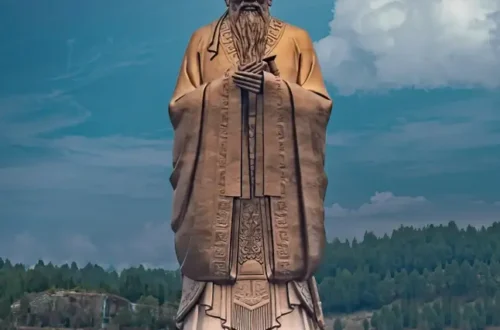
Qufu vs Other Chinese Cultural Sites Discover China’s Unique History