Is Confucius Religion A Philosophy Or Belief Explored in Qufu
If you’ve ever typed “Confucius religion” into a search bar, you’re not alone—millions are curious whether Confucianism stands as a religion, a philosophy, or something in between. The question is surprisingly complex. Confucius wasn’t a prophet preaching divine revelation; he was a teacher deeply invested in ethics, ritual, and human relationships. But his legacy comes wrapped in ceremonies, reverence for Heaven (Tian), and ancestor worship that blur the lines between religion and philosophy. In this post, we’ll unpack the fascinating debate about is Confucianism a religion, explore Confucius’ unique worldview, and reveal why his hometown of Qufu remains the beating heart of this profound tradition. Ready to see Confucianism from all angles? Let’s get started.
Who Was Confucius? A Teacher, Not a Divine Founder
Confucius was born in the ancient state of Lu, now modern-day Qufu in Shandong Province, during China’s chaotic Spring and Autumn period (770–476 BCE). This was a time of political unrest and social change, which deeply influenced his thinking. But Confucius never saw himself as a god or a religious founder. Instead, he described himself as a humble transmitter of the ancient traditions passed down from the Zhou dynasty, seeking to restore moral order rather than create a new doctrine.
His teachings, collected in The Analects, emphasize practical virtues you can practice every day:
- Ren (humaneness) — kindness and compassion toward others
- Li (ritual propriety) — proper behavior and respect in social and religious rituals
- Xiao (filial piety) — honoring one’s parents and ancestors
Interestingly, Confucius took an agnostic stance on the spiritual world. He advised to “respect ghosts and spirits, but keep them at a distance” (Analects 6:22), showing he prioritized human relationships and ethics over metaphysical speculation.
If you visit Qufu, you’ll find the Confucius Mansion and Cemetery—places where his family has preserved his humanist legacy for over 2,500 years. These sites offer a unique glimpse into how Confucius’ ideas lived on, grounded in real culture rather than divine claims.
Confucianism as Philosophy: The Ethical Core
At its heart, Confucianism centers on the Five Constants: benevolence (ren), righteousness (yi), propriety (li), wisdom (zhi), and sincerity (xin). These principles guide how we relate to each other, emphasizing harmonious relationships like ruler-subject and parent-child bonds. Confucius saw these ethics as a way to build a well-ordered society through personal virtue and mutual respect.
Confucianism is called a philosophy because it doesn’t rely on a creator god, salvation, or clergy. Instead, it focuses on self-cultivation—improving oneself morally and socially—and fostering harmony within communities. This practical approach made it less about religious belief and more about how people live and interact.
The philosophy’s impact on governance was huge. Under Han Emperor Wu (141–87 BCE), Confucianism became the state ideology, shaping civil service exams that selected officials based on merit and understanding of Confucian texts. This influence still echoes today in East Asian education systems and government values.
Even now, Confucian ethics shape work ethic, education, and family values across East Asia—guiding daily life without demanding exclusive religious belief. It remains a framework for living well, balancing personal growth with social responsibility.
The Religious Dimensions: Rituals, Heaven, and Ancestor Reverence
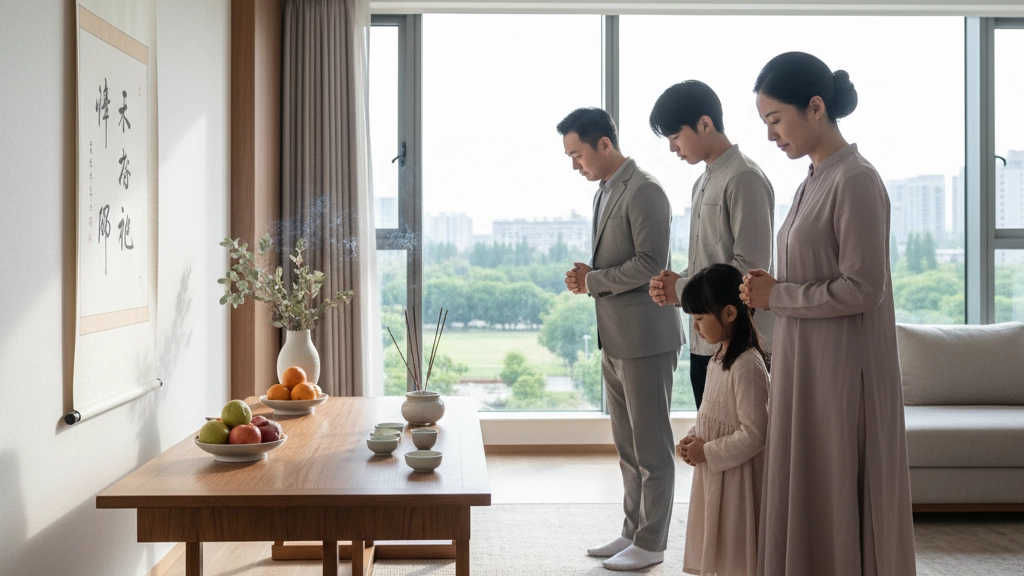
Confucianism carries religious elements centered around the worship of Tian (Heaven), seen as a moral and cosmic force guiding human affairs. Traditional state sacrifices honored Tian to maintain harmony between heaven and the ruler’s mandate. A core practice is ancestor veneration, regarded not just as family respect but as a cosmic duty linking past, present, and future generations.
There are over 2,000 Confucius Temples worldwide, with the largest and most important located in Qufu. Every September, on Confucius’ birthday, the city hosts grand ceremonies filled with music, offerings, and rituals celebrating his legacy. These events blend philosophy with devotional worship, highlighting Confucianism’s religious side.
Historically, the movement known as “Religious Confucianism” (Rujiao) emerged during imperial China, where Confucius was sometimes deified and honored like a divine figure. This created debates, especially during the Chinese Rites Controversy in the 17th and 18th centuries, over whether Confucian rituals conflicted with other religious beliefs.
Some call Confucianism a religion because it functions as a kind of civil religion: it offers sacred texts like the Four Books and Five Classics, pilgrimage sites, and a sense of ethical transcendence that goes beyond mere philosophy. In this way, Confucianism blends ritual practice with moral teaching, creating a unique spiritual tradition.
For visitors interested in exploring these religious aspects, the grand ceremonies in Qufu offer a profound glimpse of Confucianism’s living heritage, which you can learn about in detail on the Qufu Travel Guide.
The Great Debate: Religion, Philosophy, or Both?
Confucianism often sparks the question: is it a religion or a philosophy? On one hand, arguments against calling it a religion point out that it lacks dogma, a focus on the afterlife, or supernatural claims. Confucius himself said, “If we are not yet able to serve man, how can we serve the spirits?” (Analects 11:12), highlighting his emphasis on human relationships over spiritual worship.
On the other hand, Confucianism includes rituals that promote sacred harmony, a belief in Tian’s (Heaven’s) moral mandate, and it has long been practiced alongside Buddhism and Taoism within Chinese folk religion. These elements give it religious qualities.
Most scholars agree Confucianism is best seen as a humanistic tradition that incorporates religious practices—it’s neither strictly a religion nor purely a philosophy. In China, it’s called a “teaching” (jiao) rather than a formal religion, whereas Western perspectives often list it among the world’s major religions. This middle ground reflects its unique role as both ethical guidance and a system of ritual and cultural identity.
Experiencing Confucianism Today in Qufu—The Heart of the Tradition
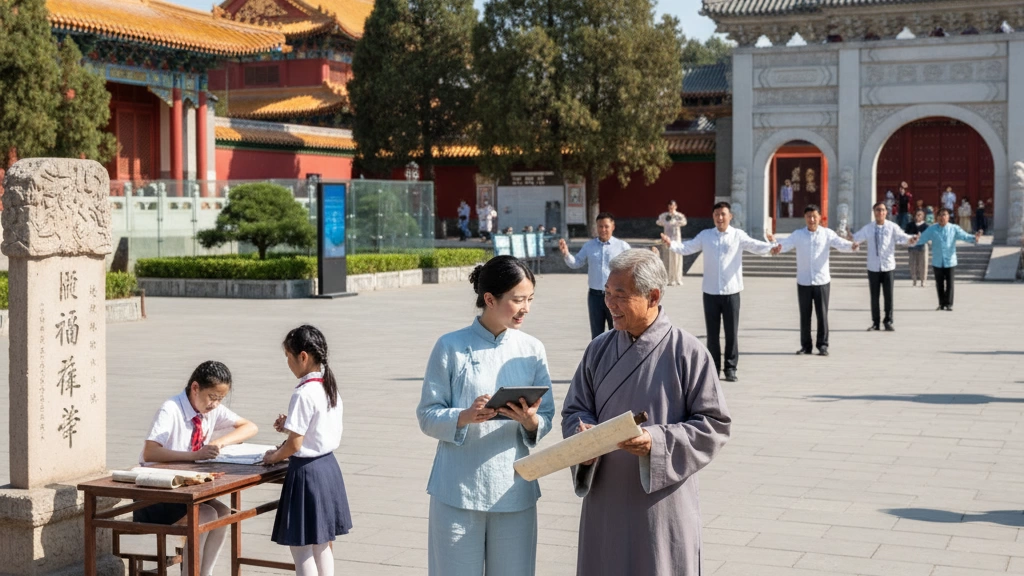
Qufu is the birthplace of Confucius and a UNESCO World Heritage site, making it a must-visit for anyone wanting to experience Confucianism firsthand. It’s home to the Temple of Confucius, the largest Confucius temple in the world, the Cemetery of Confucius, where 78 generations of his descendants are buried, and the impressive Kong Family Mansion, once the residence of his direct descendants.
Some top attractions to include on your visit are the dawn ceremony at Dacheng Hall, an inspiring ritual that honors Confucius with music and incense. Don’t miss the Nishan Sacred Land, believed to be Confucius’ birthplace, which offers a serene spiritual atmosphere. Every September, the city bursts with life during the International Confucius Cultural Festival, celebrating his birthday with traditional performances and ceremonies.
For travelers, the best time to visit is September, when the festivals bring rituals to life, blending Confucian philosophy with celebration and reverence. To make the most of your visit, consider booking a guided tour through the Qufu Travel Guide, which offers expert insight and a seamless way to dive into living Confucianism where history and culture come alive.
For more on must-see sites, check out detailed information on the Temple of Confucius and the Confucius Cemetery.
Confucianism’s Global Legacy and Why It Endures
Confucianism’s influence stretches far beyond China, deeply shaping cultures across East Asia. In Korea, Confucian ideals shaped the Seowon academies—centers for learning and moral development. Japan blended Confucian ethics with Shinto beliefs, creating a unique fusion that guides social and family values. Vietnam also embraced Confucian teachings as a foundation for governance and education.
In the modern world, Confucianism experienced a strong revival in China after the Cultural Revolution, regaining its role in shaping education, government, and personal ethics. Its core principles also align with UNESCO’s global emphasis on harmony and cultural respect, showcasing its ongoing relevance.
Whether seen as a philosophy or a religion, Confucianism offers timeless wisdom focused on ethical living, social harmony, and self-improvement—values that continue to resonate worldwide.
For a deeper look into the origins of Confucius and his lasting impact, visit when was Confucius born and explore some inspiring Confucius quotes.


You May Also Like

Who Was Confucius Exploring His Life Teachings and Legacy
Top Confucius Quotes to Inspire Wisdom and Daily Life