Confucius Cemetery Qufu Guide Largest Ancient Family Tomb Site
If you’re curious about the Confucius Cemetery, you’re about to explore one of China’s most profound cultural landmarks. Nestled just north of Qufu, this vast Kong Lin is more than a burial site—it’s a living chronicle of 2,500 years of Confucian heritage. From awe-inspiring ancient tombs to peaceful forest trails, the cemetery offers a unique window into the world of the Sage and his legendary descendants. Whether you’re planning a meaningful visit or simply hungry to learn about this UNESCO treasure, keep reading to unlock the secrets of the Confucius Cemetery—Qufu’s timeless forest of wisdom.
The Profound History of Confucius Cemetery
Confucius Cemetery in Qufu holds an extraordinary place in history as the final resting ground of Confucius, who passed away in 479 BCE. Over centuries, this sacred site evolved from a simple grave into an extensive clan necropolis for the Kong family, Confucius’ descendants. Generations carefully expanded the cemetery, making it the largest family burial site in the world.
The cemetery has undergone many key renovations to preserve its ancient tombs, stelae, and sacred trees. Despite wars and natural wear, restorations have ensured the survival of this unique heritage site. It stands as a living testament to Chinese history and the enduring legacy of Confucianism.
Declared a UNESCO World Heritage Site, the Confucius Cemetery is not just a burial place but a profound symbol of Confucian values such as respect, family, and moral integrity. Its cultural significance extends globally, inspiring scholars and travelers intrigued by the roots of one of the world’s oldest philosophies.
Architectural and Natural Marvels
The Confucius Cemetery is a blend of impressive architecture and peaceful natural beauty. It covers roughly 2.5 square kilometers, enclosed by a sturdy perimeter wall that marks distinct zones—family tomb clusters, spirit ways, and sacred groves. This layout reflects traditional Chinese burial customs, designed to harmonize with nature.
Iconic features include towering tomb stelae inscribed with ancient calligraphy, celestial pillars symbolizing the link between earth and heaven, and giant ancient cypress trees that have stood for centuries. These trees not only provide shade but also add a timeless feel, reinforcing the cemetery’s deep-rooted history.
One of the site’s unique elements is its forest-like serenity, unlike typical cemeteries. Walking through, you’ll find hidden spots like quiet reflection pavilions tucked among the trees and lesser-known graves that offer a more intimate glimpse into the Kong family legacy. Seasonal blooms enhance this sensory experience—cherry blossoms in spring and colorful maples in fall bring bursts of color that contrast beautifully with the stone monuments.
For travelers interested in history, nature, or photography, the combination of architectural grandeur and natural calm makes the Confucius Cemetery in Qufu a truly immersive visit. To explore related sights, check out detailed guides on Confucius Temple architecture and Qufu’s cultural heritage for a richer experience.
Planning Your Visit to Confucius Cemetery
Location and Access
The Confucius Cemetery is located in Qufu, Shandong Province, right next to the Qufu Confucius Temple and Kong Family Mansion, making it easy to visit all three in one trip. Getting there is simple:
- Public Transport: Several local buses run from Qufu city center to the San Kong (Three Confucian sites) area.
- Walking: If you’re already exploring downtown Qufu, the cemetery is a comfortable 15-20 minute walk.
- Taxis and Rideshares: Widely available and affordable in Qufu, convenient if you prefer door-to-door service.
Tickets and Hours
- Admission Fees: The Confucius Cemetery is part of the larger San Kong ticket system. A combined ticket for the temple, mansion, and cemetery usually costs around 150 RMB (about $22). Single entry tickets may be cheaper but less common.
- Hours: Open daily from 8:00 AM to 5:00 PM, with slight seasonal changes in closing times, especially in winter. Arriving early helps you avoid crowds and heat.
- Season: Best months for lighter crowds and pleasant weather are April to June and September to October.
Guided Options
To get the most out of your visit, consider:
- Audio Tours and Mobile Apps: These provide great background on Confucius, the cemetery layout, and Kong family history—all at your own pace. Some apps offer English commentary.
- Private Guides: Available in Qufu, helpful if you want detailed insights or a full San Kong experience. Book ahead for English-speaking guides.
- Electric Carts: Offered at the site, these help cover the vast cemetery area if walking long distances isn’t ideal.
Best Time to Visit and Duration Tips
- Time of Day: Morning visits are cooler and quieter. Late afternoons offer beautiful light for photos but can be busier.
- Duration: Allocate at least 2-3 hours to explore the cemetery thoroughly. Combine with a visit to the Confucius Temple and Kong Family Mansion for a full day.
- Seasonal Tips: Spring brings cherry and plum blossoms, while fall offers colorful leaves, both enhancing the serene atmosphere. Avoid the summer peak heat if possible.
Top Highlights and Hidden Gems
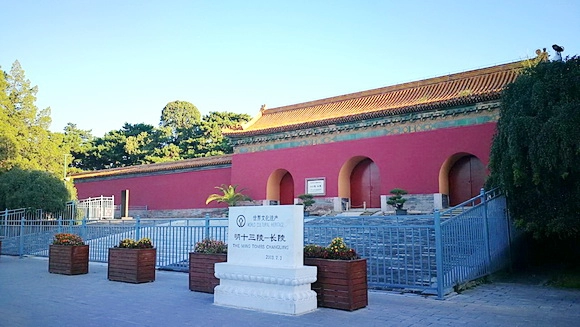
When exploring the Confucius Cemetery in Qufu, there are two main routes and several hidden spots to consider.
Route 1 Spirit Way and Disciple Graves
Start with the iconic Spirit Way, the sacred path lined with stone statues of warriors, animals, and officials. This leads you to the graves of Confucius’ most loyal disciples, offering insight into his close circle and the early spread of Confucian teachings.
Route 2 Clan Tomb Clusters and Noble Markers
Next, head to the clusters of tombs belonging to the larger Kong family—Confucius’ descendants. These are marked by elegant stelae and noble titles, showing centuries of heritage and respect. It’s a quieter area, perfect for exploring the evolution of burial traditions within the Kong lineage.
Hidden Gems Reflection Pavilions and Birdwatching
Don’t miss the peaceful reflection pavilions scattered throughout the cemetery. These spots offer serene places to pause and absorb the atmosphere. If you enjoy birdwatching or photography, the forest-like areas with ancient trees provide excellent opportunities for capturing natural beauty alongside historic grandeur.
Sample Itinerary
- Half-day plan: Walk Spirit Way, visit disciple graves, then stop at a reflection pavilion.
- Full-day plan: Cover Spirit Way, clan tomb clusters, explore hidden gardens, and spend extra time at the nearby Confucius Mansion or Temple for a fuller cultural experience.
For more detailed travel tips and route guidance, check out the Qufu travel guide to help plan your visit efficiently.
Etiquette Sustainability and Cultural Insights
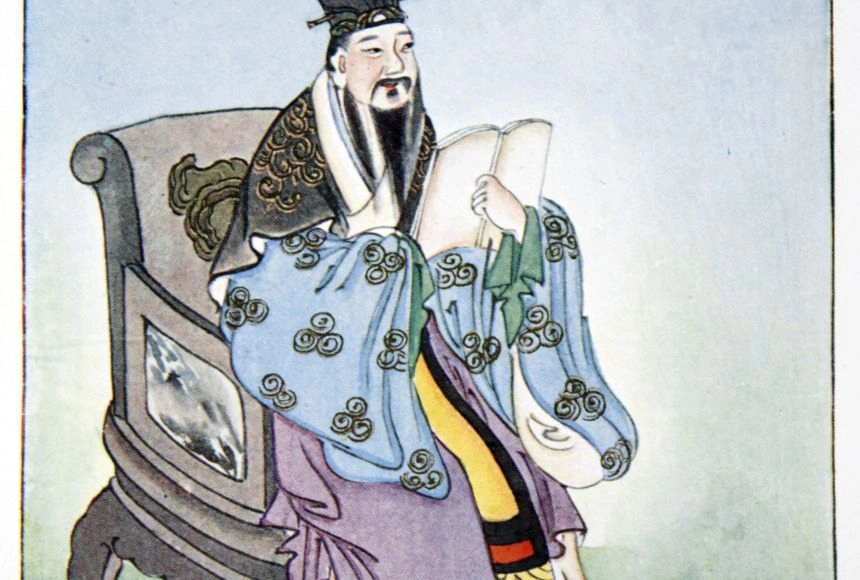
Visiting the Confucius Cemetery calls for respect and thoughtful behavior. Keep noise to a minimum and avoid touching tombstones or monuments. It’s customary to dress modestly, reflecting the solemnity of this ancient site. Offering incense or flowers is traditional, but be sure to check local guidelines, as some areas may restrict certain practices to preserve the site.
Sustainability matters here. Choose eco-friendly transport options like bikes or electric carts when available, and support local vendors to help maintain the cultural heritage of Qufu. This not only reduces your footprint but also enriches the community connected to the Kong family cemetery and its surroundings.
Beyond customs, the cemetery embodies core Confucian values—respect for ancestors, harmony with nature, and lifelong learning. These principles still resonate today, offering visitors a chance to reflect on how ancient wisdom applies to modern life. Embracing these ideas can deepen your experience, making the visit more meaningful both culturally and personally.
For more on Confucius’ influence in Qufu and local cultural practices, check out our complete guide to Confucius heritage.
Nearby Attractions and Extensions
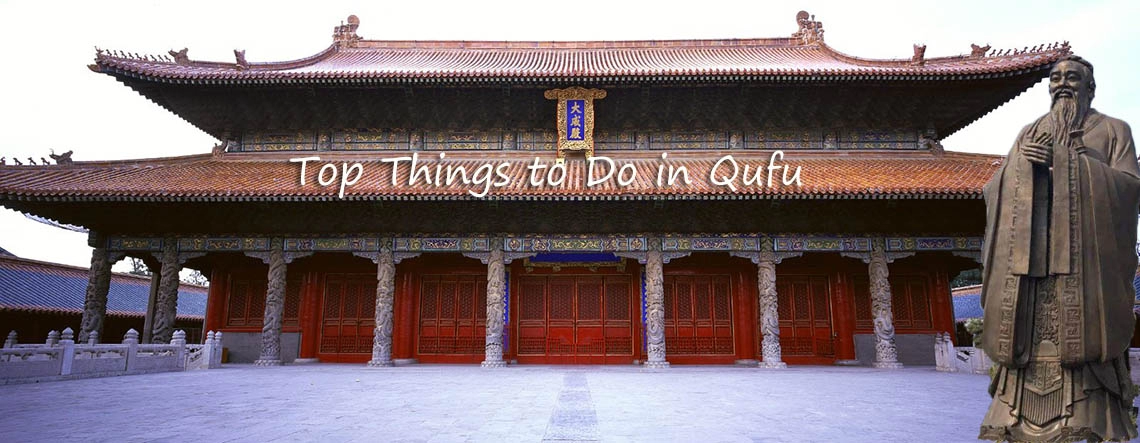
When visiting the Confucius Cemetery in Qufu, there’s plenty more to explore nearby. The area is rich with cultural sites known as San Kong — the Temple of Confucius, the Mansion of the Kong family, and the Cemetery itself. These three form a unique cluster that gives a full picture of Confucius’ legacy and the Kong family’s history.
Just a short walk from the cemetery, the Temple of Confucius is a must-see with its grand halls and intricate carvings. The Kong Family Mansion offers a glimpse into the lives of Confucius’ descendants through centuries. Not far from here is the Yan Hui Temple, dedicated to Confucius’ favorite disciple, providing another layer of Confucian heritage.
For more history and local flavor, explore Qufu’s Old Town walls, which reveal the city’s ancient roots and traditional architecture. Nature lovers will appreciate a visit to Nishan Mountain, the sacred site where Confucius was born. It’s peaceful, scenic, and a spiritual highlight of the region.
If you want to extend your trip, consider a day trip to Mount Tai, one of China’s most famous sacred mountains located about two hours away. It’s part of Shandong’s rich cultural and natural heritage, known for spectacular views, ancient temples, and hiking trails.
These nearby sites connect deeply with the Confucian heritage in Shandong, making them perfect additions to your Qufu travel itinerary. Whether you prefer cultural landmarks or natural beauty, the area around the Confucius Cemetery has something valuable for every traveler.
Practical FAQs and Pro Tips
Common Questions
- Is photography allowed? Yes, you can take photos throughout Confucius Cemetery, but avoid flash or disturbing rituals.
- Is the site wheelchair accessible? Some areas have ramps and paved paths, but parts of the cemetery are uneven. Plan accordingly if you have mobility challenges.
- Are there restrooms and food spots? Restrooms are available near the main entrance. Food options are limited inside, so bring snacks or eat nearby in Qufu.
Insider Hacks
- Use offline maps to navigate without worrying about data or signal. Apps like Maps.me or Google Maps let you download Qufu areas in advance.
- Check the weather forecast before your trip. Spring and autumn offer mild weather and colorful scenery—best for photos and walking comfort.
- Budget for entrance fees (around 100 RMB) and optional guides or carts. Booking tickets online saves wait time during busy seasons.
Tips for a Smooth Visit
- Arrive early to beat crowds and enjoy peaceful moments.
- Wear comfortable shoes—the paths can get lengthy.
- Bring a portable charger for your phone if using audio tours or apps.
For a fuller experience, read more about Qufu’s cultural gems and how to plan your trip in the Qufu travel guide and explore detailed history and tours at Confucius Temple History and Architecture.
Don’t forget to subscribe for updates and share your experiences with fellow travelers!

