Ultimate Qufu Map Guide for Travelers Exploring Confucius Hometown
Qufu’s Geography and Strategic Location
Nestled in southwestern Shandong Province, Qufu is a charming city rich in history and culture. It’s best known as the birthplace of Confucius, making it a must-visit for travelers interested in ancient philosophy and Chinese heritage. Strategically located, Qufu sits within easy reach of several major cities—just about 120 miles southwest of Jinan, Shandong’s capital, and close to the bustling hubs of Zibo and Tai’an.
Getting here couldn’t be easier. Qufu boasts excellent rail connections, including high-speed rail links to Beijing, Shanghai, and Jinan, making it an accessible day trip or a comfortable base for exploring Shandong. For those flying in, Jinan Yaoqiang International Airport and Rizhao Shanzihe Airport are nearby gateways, with regional buses and taxis providing smooth transfers to the city center.
When planning a multi-stop itinerary, consider Qufu as a central point for exploring Shandong’s rich cultural landscape. Nearby cities like Tai’an offer scenic Mount Tai day trips, while Zaozhuang and Jining provide unique local flavors. A regional map highlights these connections perfectly, helping travelers easily plan routes that blend historical sites with natural beauty.
Core Attractions: Mapped Out for Effortless Exploration
Qufu’s heart lies in the famous Three Confucian Sites, or San Kong: the Confucius Temple, the Kong Family Mansion, and the Cemetery of Confucius. These spots are close together, making it easy to map a walking route that covers all three in a day. Start at the Confucius Temple, a vast complex rich with traditional architecture. Then head to the nearby Kong Family Mansion, where you’ll find detailed layouts showing how the Kong family lived. Finally, visit the peaceful Cemetery of Confucius, where ancient stone tablets and tombs make for a meaningful stroll. Pro tip: grab a detailed Confucius Temple map to avoid missing hidden courtyards and gardens.
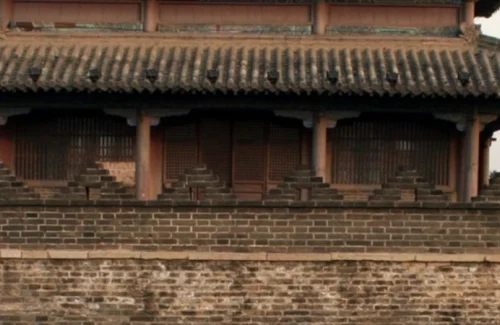
Beyond the San Kong cluster, explore Qufu’s walled ancient city. Maps highlight key historic gates like the East and South Gates, plus winding streets that lead you through the Muslim Quarter—a lively area with local food and crafts. Mixed in are modern landmarks that blend the old with the new. Walking tours here give you a sense of how Qufu’s history and daily life connect.
For nature and culture outside the city center, don’t miss Shimen Mountain Park. Trails are well-marked on local maps, offering a refreshing break with scenic views. Nearby are the hometown of Mencius and the Yan Temple—both perfect detours for travelers keen on Confucian heritage beyond just Confucius himself. These spots have their own easy-to-follow maps, making it simple to add them to your Shandong Province itinerary.
Interactive and Downloadable Qufu Maps

Getting around Qufu is easier with interactive and downloadable maps designed to fit your travel style. You can access high-resolution city maps that highlight major tourist attractions like the Confucius Temple, Kong Family Mansion, and other UNESCO sites. These maps clearly mark walking routes, historic gates, and key neighborhoods, making your visit smooth and stress-free.
For transportation, there are detailed maps showing bus routes, high-speed rail stations, and airport links. Many maps come in printable PDF format, complete with QR codes you can scan for quick updates or offline use. Plus, some platforms offer customization tools where you can build your own itinerary, selecting stops, dining spots, and lodging areas all on one easy map.
Whether you prefer digital maps on your phone or printed guides, these resources help you plan a personalized, efficient trip through Qufu’s rich cultural landscape.
Getting Around: Transportation Maps and Local Hacks
Getting around Qufu is straightforward whether you prefer public transit, walking, or driving. The city has solid connections via high-speed rail, with regular trains linking Qufu to major hubs like Beijing and Shanghai. The Qufu East Railway Station is your main stop, and timetables are easy to find online or at the station.
For local travel, city buses cover most tourist spots, including the Confucius Temple and the walled ancient city. Bus routes come with helpful maps at stops, and many have apps for real-time tracking. If you want to keep it green, Qufu is very pedestrian-friendly—especially around the San Kong area (Three Confucian Sites). Bikes and e-scooters are popular, too, with rental stations near key attractions.
Driving in Qufu is doable but watch for narrow streets in the old town. Parking can be tight near major sites, so plan ahead. Weather can impact travel; spring and autumn bring pleasant temperatures, while summers get hot and humid, sometimes with rains that slow traffic.
Tips for smooth transit:
- Check high-speed rail times before booking, especially for return trips.
- Download local bus apps or get city maps with QR codes for easy access.
- Use walking or biking routes around historic areas to soak in more culture.
- Avoid driving during weekends or holidays when the city gets busy.
- Stay updated on weather forecasts to adapt your plans comfortably.
Explore detailed transport maps and tips in our Qufu Travel Guide here.
Where to Stay and Eat: Neighborhood Maps

Qufu offers a variety of hotel options to fit any budget, conveniently grouped in key neighborhoods. For luxury stays, the area near the Confucius Temple and Kong Family Mansion is ideal—close to the main attractions and perfect for a comfortable, upscale experience. Mid-range hotels and guesthouses spread around the city center provide a good balance of price and convenience. Budget travelers will find affordable inns and hostels near the train station and bus hubs.
When it comes to dining, neighborhoods around the Confucius Temple and the Muslim Quarter are hotspots. Here, you’ll find local Shandong cuisine, street food stalls, and some international options. The historic streets often have family-run restaurants serving hearty, authentic dishes like braised chicken and steamed buns.
Seasonal Lodging Tips with Maps:
- Spring & Fall: Book early near the San Kong area to catch mild weather and cultural events.
- Summer: Choose hotels with air conditioning, preferably near Shimen Mountain Park for outdoor escapes.
- Winter: Stay closer to the city center for warmth and easy access to indoor attractions.
Essential Travel Tips: Maximizing Your Mapped Journey
To get the most out of your Qufu map and trip, keep these essential tips in mind:
Best Times to Visit
- Spring (April-May) and autumn (September-October) offer mild weather and fewer crowds.
- Check local event overlays on your map for Confucius-related festivals, especially around Confucius’ birthday in September.
Budget Entry and Transport Fees
- Many attractions offer discount tickets if booked online in advance.
- Use public transport for cost-effective travel—Qufu’s high-speed rail access is excellent for day trips.
- Walking and biking routes are free and eco-friendly ways to explore the compact historic areas.
Cultural Etiquette
- Respect quiet zones in Confucian sites and avoid touching artifacts.
- Dress modestly, especially when visiting temples and historic homes.
- When photographing locals, always ask politely.
Sustainability-Focused Routes
- Opt for pedestrian trails in Shimen Mountain Park and surrounding areas.
- Support local eateries and shops mapped in neighborhoods to help the community.
- Use refillable water bottles and limit disposable plastics during your tour.
These tips will help you enjoy your Qufu tourist attractions with ease, respect, and a lighter environmental footprint.


You May Also Like

Best Confucius Book Guide for Travelers to Qufu
Ultimate Qufu Tourism Guide Discover Confucius Hometown Attractions