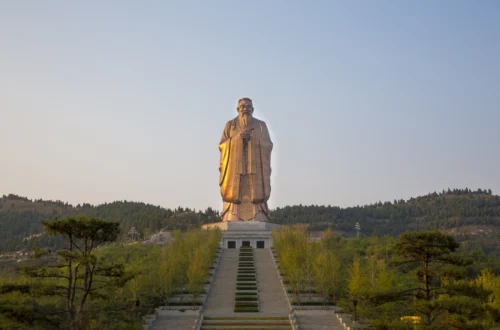
Ultimate Qufu Tourism Guide Discover Confucius Hometown Attractions
If you’re curious about Qufu tourism, you’re about to explore more than just a city—you’re stepping into the birthplace of Confucius, where 2,500 years of wisdom shape every stone and shadow. Whether you’re planning a quick cultural getaway or a deeper dive into Shandong’s rich heritage, this guide cuts through the noise to deliver exactly what you need: practical insights, top sites, and local secrets that make your visit truly unforgettable. Ready to uncover the essence of this UNESCO treasure? Let’s dive in.
Unveiling Qufu’s Storied Past: A Crash Course in Confucian Legacy
Qufu’s story begins as the heart of the ancient Lu Kingdom, a political center that set the stage for its most famous son—Confucius. Born here in 551 BCE, Confucius shaped not only this city but the spiritual and social fabric of East Asia for centuries. Walking through Qufu is like stepping into a living history book where every stone whispers his enduring influence.
Confucius’s teachings went beyond philosophy—they transformed governance, education, and family values across China and beyond. The Confucian rites still performed here echo a system that prized respect, order, and moral duty, foundations that guided emperors and everyday families alike.
Travelers often share how standing amid the Confucius Temple’s grandeur sparks quiet reflection. As one visitor noted, “Walking through his hometown, I found the Analects coming alive—‘What you do not wish for yourself, do not do to others’ felt deeply personal.” Qufu invites you to connect with this legacy not just through history, but through lived experience.
Prime Time to Visit Qufu: Seasons, Festivals, and Crowd Tips
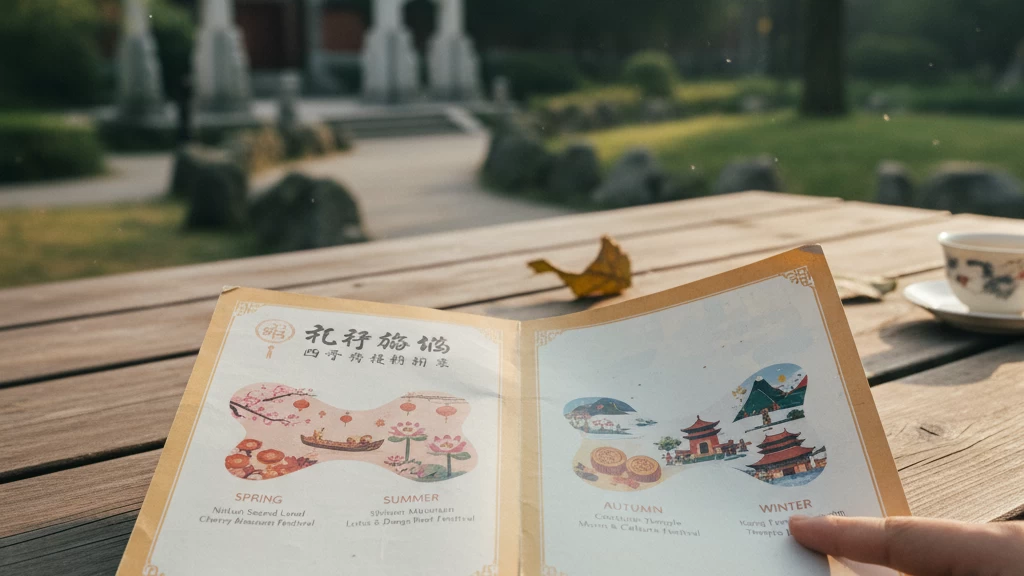
Best Seasons: Spring and Autumn
Qufu shines brightest in spring and autumn. Spring brings mild temperatures and blooming gardens, while autumn offers crisp air and colorful leaves. Both seasons avoid the harsh summer heat and winter chills, making outdoor tours around Confucius Temple Qufu and Kong Family Mansion more enjoyable.
Festival Highlights to Catch
Two big events stand out:
- Confucius Cultural Festival (September): A vibrant celebration with traditional music, ceremonies, and parades honoring Confucius. It’s packed but worth it for culture lovers.
- Graduation Tourism Fest (June): Popular with younger visitors, creating a lively atmosphere around key UNESCO sites.
Crowd Patterns and Solo Travel Tips
- Weekdays are your best bet to dodge crowds, especially outside festival dates.
- Early mornings at the Temple of Confucius and Kong Family Mansion mean fewer people and cooler temps.
- Solo travelers should consider guided small-group tours for insider stories and safer navigation through busy spots.
Quick Packing and Weather Tips
- Essentials: Comfortable walking shoes, light layers for spring/fall, a hat, and sunscreen.
- Check the forecast before packing—spring can be rainy, so a compact umbrella helps.
- For festival times, bring portable phone chargers and keep a reusable water bottle handy.
These simple strategies help you enjoy Qufu’s rich heritage without stress and make the most of your stay in this historic city.
Seamless Journeys to Qufu: Arrival and Local Navigation
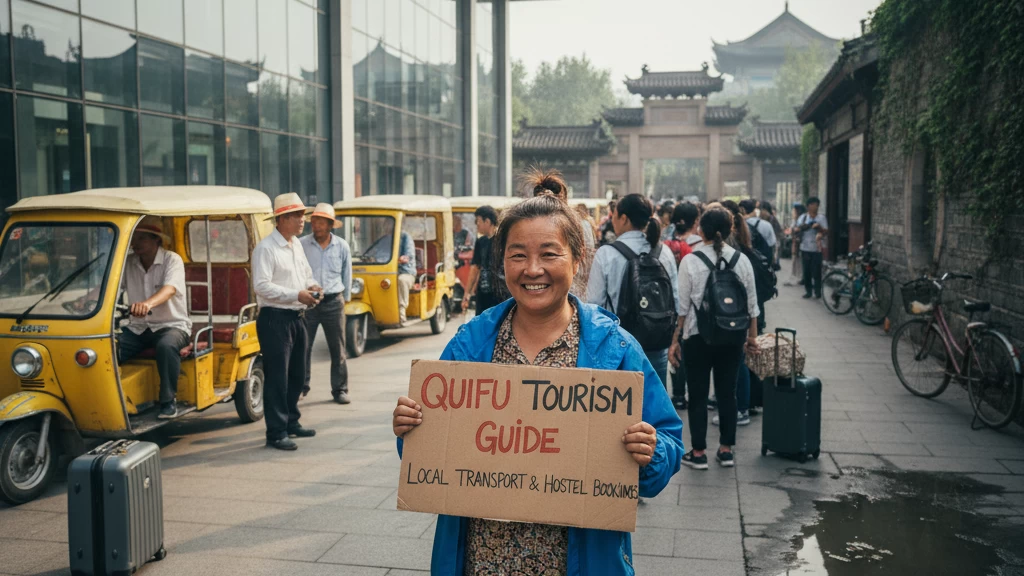
Getting to Qufu is straightforward thanks to its solid transport links. The fastest way in is by high-speed train, connecting major cities like Beijing, Shanghai, and Jinan with travel times around 1–3 hours. If you’re flying, the closest airport is Jinan Yaoqiang International Airport, about 90 minutes away, with convenient airport shuttle buses and taxis to Qufu.
For travelers on a budget, consider overnight trains or intercity buses from surrounding cities. These options save on lodging and let you arrive refreshed for a full day of sightseeing.
Once in Qufu, moving around is easy:
- Walking: The old city and main heritage sites like the Confucius Temple, Kong Family Mansion, and Cemetery of Confucius are within walking distance.
- Local buses: Frequent and inexpensive, though schedules can be busy during peak festival times.
- Ride apps: Apps like Didi make hailing a taxi or ride-share quick, especially outside the old town.
- Bike rentals: A popular way to explore scenic spots like Nishan Mountain and nearby parks at your own pace.
Accessibility is improving with more English signage near key tourist sites and helpful navigation apps. For those wanting a guided experience, group tours often include transport and English-speaking guides.
Must-See Icons: Qufu’s Confucian Crown Jewels
Qufu is best known for its Confucian heritage, and the real heart of that is what many call The Trinity: the Temple of Confucius, the Kong Family Mansion, and the Cemetery of Confucius. These three sites are UNESCO World Heritage spots for a reason—they give you a deep dive into Confucius’s life, legacy, and how his family kept the tradition alive for centuries.
- Temple of Confucius: The largest and most impressive, with sprawling courtyards and intricate wood carvings. It’s a place for quiet reflection and understanding Confucian ideals.
- Kong Family Mansion: Once home to Confucius’s descendants, showing how the family maintained its status and traditions.
- Cemetery of Confucius: Over 100 acres filled with tombs of Confucius and thousands of his descendants. It’s peaceful and offers a real sense of history.
Beyond these, don’t miss the lesser-known gems:
- Nishan Sacred Mountain: A short trip east of Qufu, this serene mountain is where Confucius was born. It has hiking paths and small temples, perfect if you want a quiet nature escape tied to the legacy.
- Zhougong Temple: Dedicated to the Duke of Zhou, Confucius’s mentor. It’s quieter but worth a visit if you want to explore beyond the main attractions.
For something different:
- Join workshops on calligraphy or Confucian philosophy often held near the Temple.
- Catch sound-and-light shows in the evening that bring Confucius’s story to life with visuals and music.
Time tips:
- Allocate at least half a day for The Trinity to really appreciate each site without rushing.
- Add a few hours if you plan to visit Nishan Mountain or Zhougong Temple.
- Plan your visits early in the day to avoid crowds, especially during the Confucius Cultural Festival.
This blend of iconic sites and hidden corners makes Qufu unforgettable, whether you’re into history, culture, or just soaking up the atmosphere.
Beyond the Temples: Offbeat Paths and Natural Escapes
If you’ve seen the main Qufu UNESCO sites, there’s more to explore beyond the usual. Start with Shao Hao Mausoleum, a quieter historic spot where you can soak in ancient architecture without the crowds. Nearby, the Shimen Mountain trails offer gentle hikes with peaceful views—great if you want a break from busy tourist areas.
For a touch of modern culture, swing by the Confucius Research Institute to catch current projects about Confucian heritage, or relax at Tieshan Park, a local green space perfect for unwinding.
Looking to extend your trip? Mount Tai is just a short ride away—a must-visit for nature lovers and history buffs alike. Alternatively, head to Zoucheng, the hometown of Mencius, Confucius’s famous follower, to deepen your understanding of Confucian philosophy.
For wellness seekers, try forest bathing and mindfulness sessions in Kong Lin (Confucius Forest). It’s a serene way to connect with nature and reflect quietly.
Savoring Qufu: Culinary Trails Rooted in Tradition
When in Qufu, food is more than just a meal—it’s a taste of history. The star here is the Kong Family Banquet, a carefully crafted feast rooted in Confucian tradition. Expect dishes rich in flavor but balanced, featuring local ingredients prepared with respect and ceremony.
Street food lovers shouldn’t miss out on local favorites like pork ribs, crispy pan-fried buns, and seasonal treats like fresh lotus root. These snacks give you a quick, delicious glimpse of Qufu’s everyday flavors.
For those with specific dietary needs, Qufu does well to accommodate. There are plenty of vegetarian options, often centered around tofu and seasonal vegetables, and halal eateries serving up flavorful meats prepared according to Islamic laws.
When choosing where to eat, the old city haunts offer authentic, rustic dishes with a homey feel. For something different, explore modern fusion restaurants blending traditional Shandong flavors with international twists.
A quick tip: dining in Qufu carries some subtle nods to Confucian etiquette. Respectful behavior at the table, waiting for elders to start eating, and polite conversation align with the local culture—little details that enrich your culinary experience.
Where to Unwind: Lodgings from Humble to Heritage
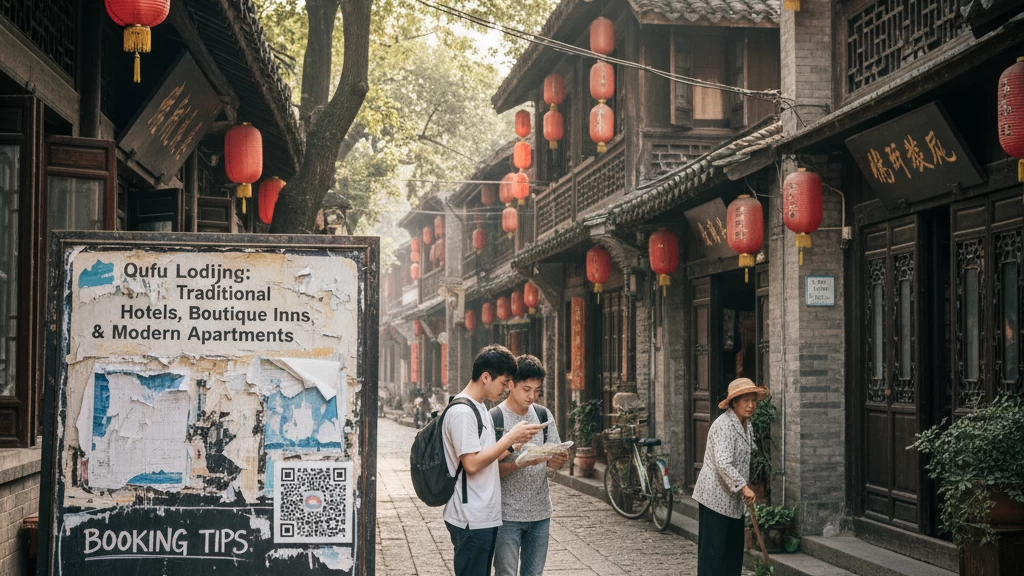
When it comes to places to stay in Qufu, there’s something for every budget and style.
Budget Options
- Look for guesthouses near the old city gates—they’re affordable and put you right in the heart of Qufu’s historic vibe.
- Expect simple rooms with basic amenities, perfect for travelers who want to maximize sightseeing time.
Mid-Range and Upscale
- Shangri-La Qufu is a reliable pick for comfort and convenience, offering spacious rooms and spa services to relax after a day exploring.
- Other mid-range hotels often feature pools or traditional decor, blending modern comfort with local charm.
Hidden Gems
- Consider family-run homestays for an authentic experience—a chance to connect with locals and enjoy home-cooked meals.
- Eco-lodges around Nishan Mountain provide peaceful stays surrounded by nature, great if you want to unwind outside the bustling town.
Booking Hacks
- Book early for the Confucius Cultural Festival or during graduation season to avoid price hikes and sold-out rooms.
- Use platforms like Booking.com or Agoda—these often highlight deals and cancellation options.
- Look for family suites if traveling with kids, as these are filling up fast with 2025 trends favoring group stays.
Whether you prefer humble inns or heritage hotels, Qufu’s lodging options blend affordability, comfort, and tradition to suit your travel style.
Essential Hacks: Budgeting, Safety, and Sustainable Steps
Daily Expenses Breakdown
Qufu is generally affordable. Expect to spend around:
- Meals: $5–$15 depending on place
- Local transport: $1–$3 per ride
- Entrance fees: $10–$20 for key sites like Confucius Temple Qufu
- Accommodation: Budget stays start at $20, mid-range around $50–$80
Scam Shields and Smart Spending
- Ride verification: Use official ride apps or taxis with meters to avoid overcharging.
- Haggling tips: Bargain politely for souvenirs or local services; know the rough price beforehand.
- Payment: Mobile payments like Alipay are common, but credit cards and cash work fine in tourist spots. Always keep small bills handy.
Health & Safety Essentials
- Tap water: Avoid drinking tap water; bottled water is abundantly sold.
- Masks: Still useful indoors or crowded areas, especially during flu season.
- Emergency contacts: Save local emergency number 110 (police) and hotel info.
Responsible Tourism Tips
- Stick to marked paths, especially around sacred sites like Nishan Mountain.
- Avoid single-use plastics—carry a refillable water bottle.
- Support local guides and small businesses whenever possible.
Staying Connected
- Buy a local eSIM or pocket Wi-Fi for reliable data.
- Download offline phrasebooks or translation apps, as English signage can be limited outside major spots.
These hacks will keep your Qufu trip smooth, safe, and eco-friendly.
Crafting Your Qufu Narrative: Sample Itineraries and Reflections
Planning your Qufu trip can be straightforward whether you have just one day or a couple to explore Confucius’s hometown. Here’s a quick look at two solid itineraries and tips to shape your personal experience.
1-Day Dash Itinerary
Perfect if you’re tight on time but want to hit Qufu’s highlights:
- Morning: Visit the Confucius Temple Qufu to soak in its grandeur and rich history.
- Midday: Head to the Kong Family Mansion nearby for a glimpse of Confucian family life.
- Afternoon: Explore the Cemetery of Confucius, the largest ancient family tomb site.
- Evening: Wrap up with a stroll or dinner in the old city, trying local Qufu cuisine.
2-Day Deep Dive Plan
For a more relaxed experience with extras:
- Day 1: Follow the 1-day dash itinerary but spend more time at each site, including workshops or sound-and-light shows at the temple.
- Day 2: Take a side trip to Nishan Mountain, where Confucius was born, or visit the Zhougong Temple. Add time in Tieshan Park or a guided walking tour of Qufu’s quieter corners.
Customized Forks: Solo vs Family Travel
- Solo Travelers: Focus on self-guided walking tours, delve into the Analects at quiet spots like Kong Lin, and enjoy flexible dining options. Consider joining group tours for deeper cultural context.
- Families: Choose kid-friendly activities and schedule slower paces with breaks. Festivals like the Confucius Cultural Festival offer engaging cultural shows for all ages. Booking family suites in hotels near the Confucius Temple simplifies logistics.
Reflection and Engagement
Visiting Qufu is more than ticking off landmarks—it’s about connecting with a living heritage. As you wander through the Confucian crown jewels and hidden gems, you’ll find insights into values that still shape much of East Asia. What moments or lessons stayed with you? Share your experience and questions to help fellow travelers dive deeper into Qufu’s enduring story.
For more on planning your visit, check out our full Qufu travel guide and detailed tips for exploring Qufu’s heritage.


You May Also Like
Ultimate Qufu Travel Guide 2025 Discover Confucius Heritage and Tips

Confucius House Hales Corners Guide Menu Reviews and Tips