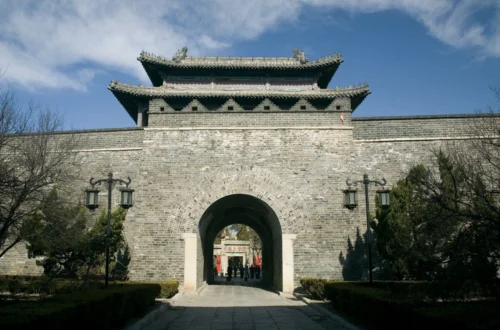
Confucius Symbol Meaning and Iconic Representations in Qufu
What Is the Confucius Symbol? Debunking Common Myths
You might wonder, is there a single symbol that represents Confucius or Confucianism? The truth is, Confucius never had an official emblem. Unlike religions centered around icons or saints, Confucius focused on teachings and moral principles rather than images or symbols. This emphasis on wisdom over idolatry means there’s no universally accepted “Confucius symbol.”
One common misconception, especially in Western media and pop culture, is the use of the Chinese character for water (水, shuǐ) as the “Confucius symbol.” You might see it in games, posters, or tattoos labeled as such. However, this is inaccurate. While water signifies important ideas like flexibility and life, it has nothing to do with Confucius himself and is not traditionally connected to Confucianism in China.
So what are the authentic ways Confucius is represented? Instead of a single symbol, Confucius is honored through:
- Portraits, including famous ones from the Tang Dynasty that show his dignified image
- Scholarly ideograms, like the character 儒 (rú), denoting a Confucian scholar
- Ritual objects found in the ancestral temples in Qufu, his hometown, such as ceremonial bells and calligraphy scrolls
These authentic representations celebrate the spirit of Confucian philosophy—respect, learning, and ritual propriety—rather than reducing it to one simple icon.
Key Symbols Associated with Confucius and Confucianism
Several symbols closely connect to Confucius and his philosophy, each carrying deep meaning and cultural significance.
The Chinese Character for Water (水 – Shuǐ)
Water symbolizes the source of life, adaptability, tranquility, and virtue in Confucian thought. Visually, the character 水 flows with simple strokes representing streams and fluid movement. Historically, water shows up as a metaphor for moral flexibility and calm strength in Confucian texts. In Qufu, you can see elegant calligraphy of 水 displayed in the Temple of Confucius during special exhibits, highlighting its subtle importance.
Yin-Yang (太极 – Tàijí)
Yin-Yang stands for the balance of opposites and harmony in nature and society—core ideas embraced during the Song Dynasty’s Neo-Confucian revival. Confucianism absorbed these cosmological concepts to explain moral and natural order. Around Qufu, intricate Yin-Yang patterns appear in temple architecture and ritual diagrams, symbolizing this unity of dual forces.
The Scholar Character (儒 – Rú)
儒 represents the refined scholar embodying education, moral cultivation, and ethical leadership. The ideogram combines “person” (人) and “words” (言), reflecting a learned individual who speaks and acts with virtue. At the Kong Family Mansion in Qufu, you’ll find this character inscribed on steles and scholar-official robes, reinforcing Confucius’s emphasis on scholarship.
Portraits and Statues of Confucius
Traditional depictions of Confucius remain important cultural symbols. Famous examples include the Tang Dynasty portrait portraying him as a wise, dignified teacher. In Qufu, the apricot platform statue stands as a focal point where visitors honor Confucius, representing his lasting influence.
Other Pivotal Ideograms: Rén (仁), Lǐ (禮), and Yì (義)
- Rén (仁 – Benevolence): The heart of Confucian virtue emphasizing kindness and humaneness.
- Lǐ (禮 – Ritual Propriety): Rules and ceremonies that maintain social order and respect.
- Yì (義 – Righteousness): Moral rightness and justice guiding personal and public conduct.
These virtues come alive during Qufu’s festivals, where rituals and performances demonstrate their ongoing role as living symbols in daily life.
Ritual and Cultural Motifs
Music, elegant calligraphy, and the wooden-clapper bell reflect self-cultivation—a key Confucian ideal. Today, the wooden bell is even proposed as a modern symbol for teaching and harmony, blending ancient practices with contemporary meaning.
For a deeper look into the rich symbolism at the heart of Confucianism, visiting the renowned Temple of Confucius in Qufu offers a firsthand experience of these emblems in their authentic setting.
Historical Origins and Evolution of Confucian Symbols

Confucian symbols have deep roots tracing back to the Zhou Dynasty, where early shamanic rituals influenced the development of visual and spiritual motifs connected to governance and morality. During the Han Dynasty, these symbols became more standardized, aligning Confucian ideals with state ideology and formal education systems. This period marked the solidification of key ideograms that represent virtues like benevolence (仁, Rén) and ritual propriety (禮, Lǐ).
Later, Neo-Confucian thinkers, especially in the Song Dynasty, expanded these symbols by incorporating cosmological concepts such as Tian (天), meaning Heaven, which linked moral principles with the natural order. This integration enriched Confucian symbolism, blending philosophy, ethics, and the universal balance found in ideas like Yin-Yang (太极, Tàijí).
Experiencing Confucius Symbols in Qufu: A Traveler’s Guide
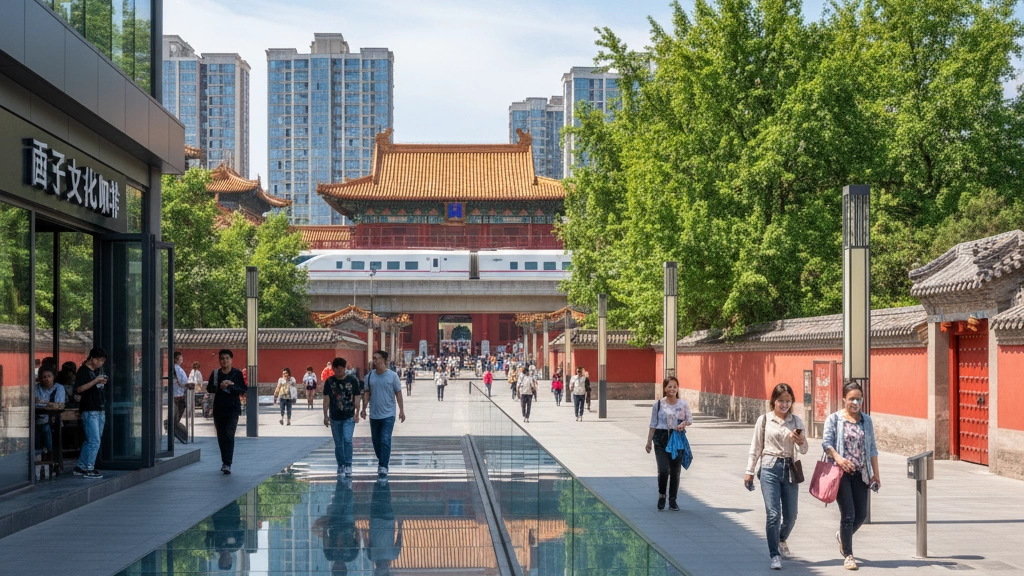
If you want to truly connect with Confucius symbols, Qufu is the place to be. Here are the must-visit sites where these symbols come alive:
- Temple of Confucius: Explore Dacheng Hall, where iconic Confucian motifs are carved into wooden beams and stone tablets. You’ll see intricate calligraphy and ritual symbols that represent Confucius’s teachings.
- Kong Family Mansion: This ancestral home features steles inscribed with scholar ideograms and displays of traditional robes bearing the 儒 (Rú) character, symbolizing the refined scholar ideal.
- Cemetery of Confucius: Discover eternal harmony motifs woven into gravestones and ritual objects, reflecting the virtue and respect central to Confucianism.
The best time to visit is during the Confucius Cultural Festival in September, when traditional ceremonies, music, and performances bring these symbols to life in authentic rituals.
To get hands-on, join calligraphy workshops or participate in rite demonstrations offered at these sites to experience the symbols as living practices—not just art.
For capturing memories, don’t miss photo spots like the Yin-Yang pavement designs near the temple courtyard or the famous statues of Confucius on the apricot platform.
Here’s a simple day plan to soak it all in:
- Morning: Tour the Temple of Confucius
- Afternoon: Explore the Kong Family Mansion
- Evening: Enjoy the lights and performances at the festival
For more on where to find these iconic landmarks, check out the detailed guides to the Temple of Confucius and the Kong Family Mansion in Qufu.
Modern Interpretations and Global Influence of Confucius Symbols
Confucius symbols have found new life far beyond their ancient origins, showing up frequently in today’s pop culture. You’ll see them as tattoos, company logos, and even in popular video games like the Civilization series, where Confucianism influences gameplay strategies focused on harmony and education. These modern uses highlight how Confucian ideals still resonate, especially the push for social balance and moral cultivation in a world often divided by conflict.
Today, Confucius symbols serve as reminders to promote harmony and understanding—values that feel particularly relevant as global tensions rise. Qufu, the birthplace of Confucius, continues to act as a living museum preserving these traditions. Its UNESCO status helps protect the cultural heritage, ensuring Confucian symbols remain vibrant and meaningful for future generations. Visitors can experience this first-hand, combining historical insight with the dynamic ways these symbols inspire people worldwide.
If you’re planning a visit, exploring Qufu’s rich history and culture will deepen your appreciation of how these symbols live on. Check out guides that highlight the best of Qufu’s cultural sites and symbols to make the most of your trip. For details on planning your journey, see the comprehensive Qufu culture and Qufu travel guide resources.


You May Also Like
Top Confucius Quotes to Inspire Wisdom and Daily Life

Confucius Famous Quotes 30 Timeless Sayings With Meaning