How to Get to Qufu Complete Travel Guide by Train Air and Bus
If you’re wondering how do I get to Qufu, you’re in the right place. Qufu, the birthplace of Confucius and a UNESCO World Heritage site, draws travelers from across China and around the world—but getting here can be a bit tricky since the city relies mostly on nearby transport hubs. Whether you’re coming from Beijing, Shanghai, or closer cities like Jinan and Tai’an, this guide breaks down the easiest, fastest, and most cost-effective ways to reach Qufu using high-speed trains, flights, buses, or private transfers. Ready to plan your journey and explore Confucius’ legacy? Let’s dive in and make sure your trip to Qufu starts smoothly!
Overview of Transportation Options to Qufu
Traveling to Qufu, the hometown of Confucius, is easy thanks to well-developed transportation links with major Chinese cities. Whether you’re coming from Beijing, Shanghai, Jinan, Qingdao, or Tai’an, several options are available including high-speed trains, regular trains, flights, buses, and driving.
Here’s a quick comparison to help you pick the best way to get to Qufu based on time, cost, and convenience:
| From City | Time (Hours) | Approximate Cost (USD) | Convenience Level | Recommended Mode |
|---|---|---|---|---|
| Beijing | 3.5 – 4 | $45 – $70 | High | High-speed train (Qufu East) |
| Shanghai | 5 – 6 | $55 – $80 | High | High-speed train (Qufu East) |
| Jinan | 1 – 1.5 | $10 – $15 | Very High | High-speed train or Bus |
| Qingdao | 2.5 – 3 | $20 – $30 | Medium | High-speed train or Bus |
| Tai’an | 1 – 1.5 | $8 – $12 | Medium | High-speed train |
Best Overall Choice: High-Speed Train via Qufu East Station
The fastest, most efficient, and comfortable way to reach Qufu is by high-speed train arriving at Qufu East Railway Station. It connects commonly with key cities and offers modern facilities, easy transfers, and frequent service—making it a top choice for most travelers.
This guide will detail all options, focusing on convenience, budget, and timing so you can enjoy a smooth journey to this culturally rich destination.
By High-Speed Train (Most Recommended)

The best way to get to Qufu is by high-speed train, arriving at Qufu East Railway Station. This modern station is located about 5 kilometers east of Qufu’s city center and offers clean facilities, waiting areas, ticket counters, and easy access to transportation.
Getting to the City Center
From Qufu East Station, you have several options to reach downtown or key attractions like the Confucius Temple:
- Bus K01 runs regularly and takes about 15 minutes to the city center.
- Taxis and Didi rides are widely available and cost around 20-30 RMB.
Direct Routes & Travel Times
High-speed trains to Qufu East connect directly with major cities:
- Beijing to Qufu: Around 3.5 to 4 hours
- Shanghai to Qufu: About 4 to 5 hours
- Jinan to Qufu: Less than 1 hour
- Qingdao to Qufu: Around 1.5 hours
- Tai’an (near Mount Tai) to Qufu: Approximately 30 minutes
These fast connections make Qufu easy to reach, especially if you plan to combine your visit with other Shandong highlights like Mount Tai or Jinan.
Ticket Booking Tips
- Book tickets early during peak travel seasons, such as Chinese holidays or weekends, to avoid sold-out trains.
- Use official apps or trusted travel websites for advance booking.
- Opt for second-class tickets for the best value without sacrificing comfort.
For a detailed step-by-step guide on traveling to Qufu by train from Beijing, check out this comprehensive Qufu high-speed train guide.
Overall, the high-speed train via Qufu East Railway Station offers the fastest, most convenient, and comfortable way to reach the Confucius hometown with seamless transfers and reliable service.
By Regular Train
If you’re looking for a budget-friendly way to get to Qufu, taking a regular train is a solid option. Qufu Railway Station serves many slower trains connecting regional cities, but keep in mind its service is less frequent compared to the high-speed options. For even more economical choices or overnight travel, you might consider nearby stations like Yanzhou, which is well connected and can be reached by local transport to Qufu.
Regular trains are ideal if you’re not in a hurry and want to save on ticket costs. They typically take longer but provide more flexible schedules, especially during peak travel periods when high-speed train tickets are hard to get. After arriving, you may need to use a taxi, bus, or ride-hailing service for the last few kilometers to Qufu’s city center or attractions.
For connections, many trains from major cities such as Beijing or Shanghai pass through each station at different times, so planning ahead helps to avoid long waits. While regular trains don’t offer the speed or convenience of high-speed rail, they remain a practical choice for travelers on a budget or those arriving late at night.
For a deeper dive into Qufu travel plans and getting around the city, check out this Qufu tourism guide to make your trip smoother.
By Air: Nearest Airports and Transfers
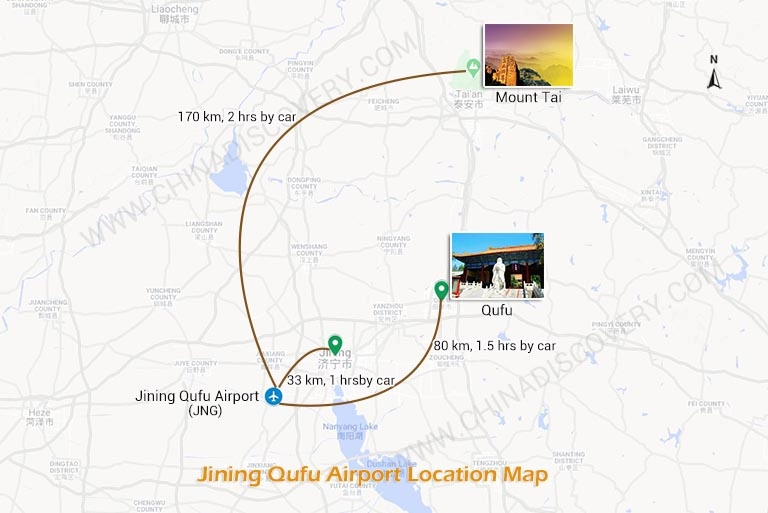
The closest airport to Qufu is Jining Qufu Airport (JNG), about 80 to 90 kilometers away. It offers direct flights from many major Chinese cities like Beijing, Shanghai, Guangzhou, Chengdu, and Qingdao, making it a convenient entry point if you prefer flying. From Jining Qufu Airport, you can easily reach Qufu city by shuttle bus, taxi, or private car services, including popular ride-hailing apps.
As an alternative, many travelers fly into Jinan Yaoqiang International Airport, roughly 120 kilometers from Qufu. From Jinan, you can take a high-speed train or an intercity bus to Qufu, which adds some travel time but might offer more flight options depending on your starting point.
Pros and Cons of Flying to Qufu
- Pros: Fast for long distances, good flight connections, convenient transfers from Jining Airport.
- Cons: Transfers from the airport to Qufu add time and cost; fewer international options; more expensive than train travel for short distances.
If you’re considering air travel, check out our detailed guide to Jining Qufu Airport transfers for up-to-date info on flights, transport options, and tips for smooth connections when visiting the Confucius hometown.
By Long-Distance Bus
Qufu Bus Station is conveniently located near the city center, making it easy to catch buses to and from major nearby cities like Jinan, Tai’an, Qingdao, and even Beijing. These long-distance buses run frequently throughout the day, providing a flexible option if you’re looking for budget travel or if high-speed train tickets are sold out.
Intercity buses are a reliable alternative, especially from surrounding cities where train connections might be limited. For example, buses from Jinan or Tai’an to Qufu are straightforward and often cheaper than train tickets. This option is perfect if you want to save on transportation costs or prefer a more relaxed journey without transfers.
Keep in mind that travel times by bus are longer compared to the high-speed train, but if you’re not in a rush and want to experience a local travel vibe, this works well. Plus, buses often drop you close to key areas of Qufu, simplifying your transfer to hotels or attractions.
For practical tips on planning your trip, including how to get around once you arrive, check out this detailed Qufu China travel guide to Confucius’ hometown.
By Car or Private Transfer
Driving to Qufu offers flexibility, especially if you plan to explore the region beyond just the city. The main highway route is via the Beijing-Fuzhou Expressway, connecting major cities like Beijing and Jinan directly to Qufu. Renting a private car or using ride-hailing services like Didi is ideal if you want to set your own schedule without the constraints of train or bus timetables.
This option works best for groups or families since splitting costs is easier, plus it’s perfect if you want to combine your trip with nearby attractions such as Mount Tai. Having a private transfer means door-to-door convenience, and you can even plan stops along the way to enjoy the Shandong countryside.
Whether you’re arriving from Beijing, Shanghai, or international airports, driving gives you the freedom to explore the full cultural experience at your own pace. For more details on how to get around and explore Qufu efficiently, check out this in-depth Qufu travel guide.
Getting Around Qufu Once You Arrive

Qufu’s historic center is compact, making walking one of the best ways to explore. Strolling through the old streets gives a close-up experience of the city’s charm and lets you easily visit major sites.
For reaching the famous San Kong attractions—the Confucius Temple, Mansion, and Cemetery—public buses like route K01 run regularly between the city center and these spots. The buses are affordable and convenient if you prefer local transit.
Taxis and ride-hailing services like Didi are widely available and offer more flexibility, especially if you’re traveling in a group or want to save time. They’re quick, reliable, and a good choice for getting to less central locations or making multiple stops.
For something truly unique, Qufu also offers rickshaw rides and horse-drawn carriages near the main tourist areas. These provide a cultural experience that connects you to the city’s traditional vibe while you visit the historic landmarks.
Distances are short within the city—most key attractions are within a few miles of each other—so getting around is generally easy and straightforward. Whether you walk, take a bus, hop in a taxi, or try a rickshaw, you’ll find convenient options to enjoy your time in this Confucius hometown.
For more details on exploring the heart of Qufu and its cultural sites, check out our guide on Qufu’s Confucius Temple history and tours.
Practical Tips for a Smooth Journey to Qufu
Planning ahead can make your trip to Qufu much easier and more enjoyable. Here are some practical tips to keep in mind:
-
Best time to travel: Avoid major Chinese holidays like Golden Week or Chinese New Year when crowds swell. Spring and autumn offer the best weather and fewer tourists, making it ideal for visiting Qufu and nearby Mount Tai.
-
Luggage storage: Most high-speed train stations, including Qufu East Railway Station, and large bus terminals have luggage storage facilities. This can be very convenient if you want to explore the city hands-free before or after your train or bus ride.
-
Combine Qufu with nearby destinations: Many travelers visit Qufu together with Mount Tai or Jinan. The transport connections between these places are frequent and straightforward—taking advantage of this can save time and travel costs. For detailed info on travel routes, check out this Shanghai to Qufu transportation guide.
-
Cost breakdown and money-saving tips:
- High-speed trains offer the fastest and most comfortable ride but can be pricier than regular trains or buses.
- Booking train tickets early online helps secure better seats and sometimes discounts.
- Use local buses or share rides via Didi for affordable transport within Qufu.
-
Accessibility: Qufu’s main tourist areas and transportation hubs are fairly accessible for families, seniors, and international visitors. Taxis and ride-hailing apps like Didi provide easy door-to-door service. Public buses and attractions feature ramps and basic accommodations, though some older sites may have uneven paths.
With these tips, you’ll find traveling to and around Qufu smoother and more enjoyable as you explore the hometown of Confucius and the rich history of Shandong province. For more details on the best times to visit and how to plan your trip, you can also visit our comprehensive Qufu weather guide and travel tips.


You May Also Like

Qufu Airport Guide 2025 How to Fly and Travel from Jining Da’an Airport

How to Reach Qufu by Train from Beijing Fast and Easy Guide