Qufu vs Other Chinese Cultural Sites Discover China’s Unique History
Planning your China trip and wondering if Qufu deserves a spot alongside giants like Beijing and Xi’an? You’re not alone. The question “Qufu vs other Chinese cultural sites”—especially the Great Wall or Terracotta Warriors—comes up all the time. But here’s the deal: while Beijing dazzles with imperial power and Xi’an impresses with military might, Qufu offers something uniquely profound—the very soul of Chinese culture rooted in philosophy, family, and education. If you want to go beyond the usual and unlock the essence of what makes China tick, this guide will show you exactly why skipping Qufu means missing the heart of it all. Let’s dive in.
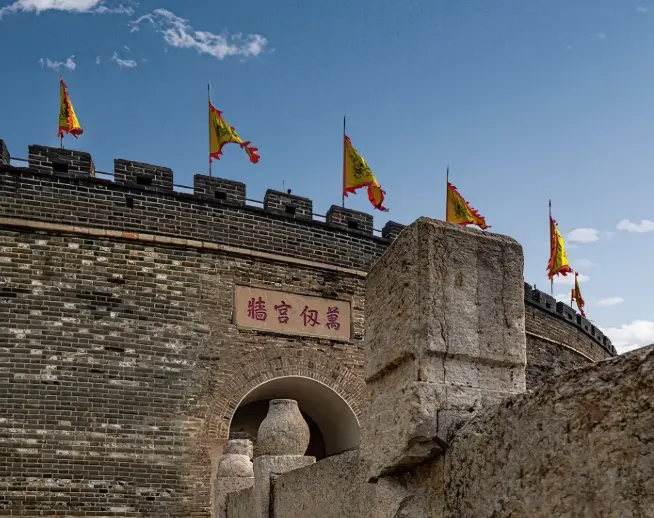
The Big Three Comparison: Contextualizing Qufu
When planning a trip to China’s top cultural sites, it’s easy to lump Qufu together with Beijing and Xi’an—but these places represent very different facets of Chinese history and culture.
| Site | Focus | Vibe | What You Learn |
|---|---|---|---|
| Beijing | The Forbidden City | Grand, hierarchical, political | Imperial power, emperors, political dominance |
| Xi’an | Terracotta Warriors | Awe-inspiring but static | Conquest, unification through force, afterlife beliefs |
| Qufu | The San Kong (Three Confucian Sites) | Intimate, living, spiritual | Philosophy, family ethics, education |
Beijing’s Forbidden City is monumental—a symbol of royal authority and political order. It’s impressive but feels distant and formal, a place to see how China was ruled.
Xi’an’s Terracotta Warriors represent a different story: conquest and the afterlife. These thousands of clay soldiers are stunning but frozen in time, emphasizing military might and the unity enforced through force.
Then there’s Qufu, often called “The San Kong” (The Three Confucian Sites: the Temple, Cemetery, and Kong Family Mansion). Here, the focus shifts distinctly to Confucianism, family values, and education. It’s intimate, lived-in, and spiritual—a place where you see how Chinese people think, not just how they were governed.
Key takeaway:
- Visit Beijing to witness China’s imperial rule and political history.
- Visit Qufu to understand the heart of Chinese philosophy, ethics, and culture.
This perspective reframes Qufu as an essential cultural stop—not just a historical site but a space alive with teachings that still shape millions today.
Atmosphere and Authenticity: Escaping the Tourist Crush
When comparing Qufu to other major Chinese cultural sites, the difference in atmosphere is striking. Unlike the shoulder-to-shoulder crowds you’ll find at the Great Wall or the busy plazas of Beijing’s Forbidden City, Qufu offers a much more contemplative and peaceful experience. The Cemetery of Confucius, in particular, invites quiet reflection amid ancient cypress trees and the resting places of over 70 generations of the Kong family. This living history makes Qufu unique—it’s not just a site frozen in time but a vibrant ancestral home continuously honored for centuries.
The pace of life here mirrors this calm. Qufu has a slower, small-town vibe that’s worlds apart from the chaotic energy of China’s major metropolises. Walking through the San Kong area—the Temple, Cemetery, and Kong Family Mansion—you feel a genuine connection to Chinese philosophy and tradition, rather than just absorbing the grandeur of imperial history. For travelers looking to escape the typical tourist crush and experience authentic China travel rooted in culture and lineage, Qufu stands out as a rare gem.
For a deeper dive into this serene setting, you can explore more on the Confucius Cemetery, the largest ancient family tomb site or learn about the sacred atmosphere surrounding Qufu’s Confucius Temple.
Architectural Distinctions: The Temple of Confucius vs. Imperial Palaces
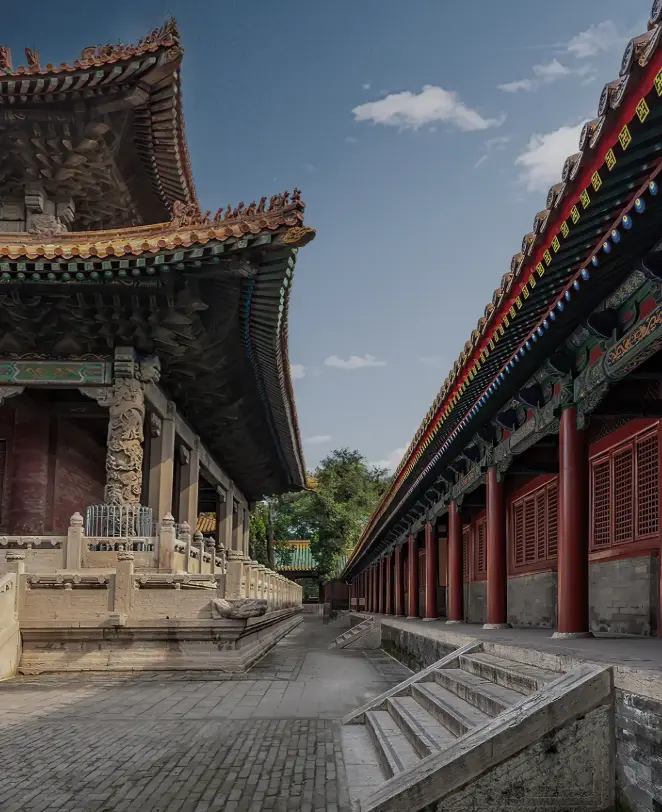
Qufu’s Temple of Confucius stands out with architectural features that mark its unique cultural importance. Unlike the grand, formal layout of the Forbidden City in Beijing, the Confucius Temple carries an intimate yet majestic atmosphere that reflects philosophy and respect rather than imperial power.
The Yellow Roof Privilege
One of the most striking distinctions is the exclusive use of yellow roof tiles on the Confucius Temple buildings. In traditional Chinese architecture, yellow roof tiles were reserved for the emperor alone. Qufu’s San Kong complex—comprising the Temple of Confucius, the Cemetery of Confucius, and the Kong Family Mansion—holds this rare honor, symbolizing the supreme respect given to Confucius as the “Ultimate Sage.” This privilege sets it apart from other cultural sites and highlights the spiritual rather than political weight of the place.
Dragon Pillars
The Temple of Confucius also features deep relief dragon pillars that many experts consider even more exquisite than those found in the Forbidden City. These pillars show astounding craftsmanship with intricate details that bring out dynamic movement and life, reflecting Confucian ideas of balance and harmony.
The Kong Family Mansion
Adjacent to the temple, the Kong Family Mansion offers a glimpse into aristocratic daily life rather than the rigid, ceremonial nature of the imperial palaces in Beijing. The mansion’s design emphasizes family heritage and education, with a layout that supports practical living and study. This contrast highlights Qufu’s unique position as a living cultural site, where tradition continues through everyday life rather than solely through historical display.
For travelers planning their visit, understanding these architectural differences enriches the experience. Check out detailed information about the Confucius Temple in Qufu to see how its design reflects the deep cultural values behind San Kong, making it a must-see for those interested in authentic China travel.
The Spiritual Dimension: The Cemetery of Confucius
Qufu’s Cemetery of Confucius offers a unique spiritual experience you won’t find in Beijing or Xi’an. As the largest and best-preserved family cemetery in China, it spans centuries—home to the tombs of over 70 generations of the Kong family. Walking among ancient cypresses and stone steles, you get a deep sense of the enduring legacy of Confucianism and the importance of ancestor worship.
This site goes beyond grand imperial stories or military conquests; it invites reflection on filial piety and family ethics, core values in Chinese culture. The Cemetery of Confucius isn’t just a historical site—it’s a living sanctuary where respect for ancestors is felt in every corner, revealing how these age-old traditions still shape Chinese life today. For those interested in authentic cultural insight, exploring this sacred place adds a profound layer to understanding China’s cultural roots.
If you want more details on visiting this unique site, check out our guide to the Confucius Cemetery in Qufu.
Accessibility & Logistics: The Strategic Stopover
One of Qufu’s biggest advantages is its location on the Beijing-Shanghai high-speed rail line. Only about two hours from Beijing, it makes for a convenient and efficient stopover between China’s major cities. This accessibility means you don’t have to commit to a long trip to experience the San Kong — the Temple of Confucius, Kong Family Mansion, and the Cemetery of Confucius.
For travelers short on time, Qufu offers a high return on your investment. You can fully explore Qufu’s cultural treasures in 24 hours, making it an ideal day trip or overnight stop. Whether you’re coming from Beijing or Shanghai, this small city fits nicely into a China itinerary focused on authentic cultural sites without the crowds or chaos of larger metropolises.
For planning your visit, you’ll find helpful resources like a detailed Qufu map guide for travelers and advice on the best time to travel to Qufu to make the most of your stay.
Who Should Visit Qufu? (The Verdict)
Qufu isn’t for everyone, so it helps to know if it fits your travel style and interests.
- Checklist Travelers who want to hit the biggest, most famous sites should stick mainly to Beijing and Xi’an. These cities pack in monumental landmarks like the Forbidden City and Terracotta Warriors, perfect for those after iconic, must-see attractions.
- Cultural Explorers will find Qufu a must-visit. If you’re curious about Chinese philosophy, education, calligraphy, and the roots of Confucianism, Qufu offers a unique, intimate window into China’s intellectual heart. Exploring The San Kong—the Temple, Cemetery, and Mansion of Confucius—reveals the core values shaping Chinese culture for thousands of years. For a deep dive into Confucius heritage, check out this detailed Qufu Confucius culture guide.
- Family Travelers looking to teach kids respect, history, and tradition will appreciate Qufu’s walkable, mellow atmosphere. The slower pace and smaller crowds create a relaxed learning environment far from busy city chaos, making it easier for children to connect with the significance of ancestor worship and filial piety in Chinese culture.
Qufu’s blend of living history, spiritual depth, and accessible location (right on the Beijing-Shanghai high-speed rail) means it’s perfect for visitors eager to go beyond surface-level sights and understand how Chinese people think and live through centuries of family ethos and philosophy. For practical tips to plan your visit, see this comprehensive Qufu travel guide.


You May Also Like
Top Confucius Quotes to Inspire Wisdom and Daily Life
Is Confucius Religion A Philosophy Or Belief Explored in Qufu