Where Is Qufu Confucius Temple Located Complete Travel Guide
Pinpointing the Location: Where Exactly Is the Qufu Confucius Temple?
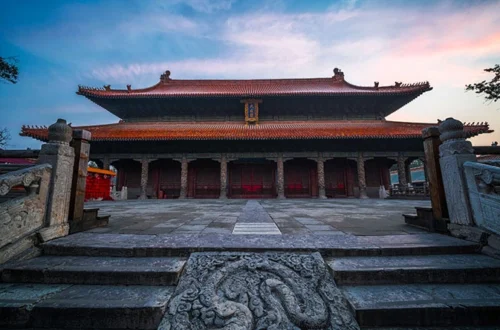
The Qufu Confucius Temple is located in the heart of Qufu City, Shandong Province, China. The exact address is No. 44 Kong Village, Qufu, Shandong 273100. This sacred site sits within the city’s historic San Kong area, which includes the Confucius Temple (Kong Miao), the Kong Family Mansion (Kong Fu), and the Confucius Cemetery (Kong Lin). Together, these three form a UNESCO World Heritage site, recognized for its cultural and historical significance.
For precise navigation, the temple’s coordinates are approximately 35.5974° N latitude and 117.0226° E longitude. You can easily locate the temple using popular map apps like Google Maps or Baidu Maps by entering “Qufu Confucius Temple” or “Kong Miao Qufu.”
Set within the old city’s well-preserved walls, the temple embodies centuries of Confucian heritage, nestled amid Shandong’s rolling landscapes. Its position within the San Kong protected zone highlights not only its spiritual importance but also its role as a cultural anchor in China’s Confucian pilgrimage.
Getting There: Seamless Access from Major Hubs
Qufu Confucius Temple is easy to reach from key travel spots in China. The most popular option is the high-speed rail—Qufu East Railway Station connects directly to major cities like Beijing, Shanghai, and Jinan, with trains arriving frequently throughout the day. From the station, local buses or taxis can take you straight to the temple area, which is just a short drive away.
If you’re flying in, the closest airport is Jinan Yaoqiang International Airport, about 90 minutes away by car or shuttle bus. For those preferring road travel, regular long-distance buses link Qufu with nearby cities, and taxis or ride-hailing apps are reliable for local trips. Driving yourself? The roads are well maintained, and parking is available near the temple complex.
Once you arrive in Qufu, consider eco-friendly ways to get around:
- Bike rentals are widely available and great for exploring the San Kong area (Confucius Temple, Kong Mansion, and Confucius Cemetery) at your own pace.
- E-scooters are another popular choice for short hops between sights.
- Walking is also convenient, as the main attractions sit close together in the old city zone.
For a detailed route and transportation tips, check out the Qufu China travel guide to Confucius hometown.
A Journey Through Time: History and Significance of the Temple
The Qufu Confucius Temple dates back to 478 BC, built shortly after Confucius passed away to honor his teachings. Over the centuries, it grew from a modest shrine into a vast complex, reflecting the deep respect held for Confucius in Chinese culture. During the Han dynasty, imperial sacrifices were performed here, marking the temple as a significant place of state ritual linked to Confucian philosophy.
Further expansions took place through the Ming and Qing dynasties, adding grand halls, pavilions, and intricate statues, including the towering Dacheng Hall that houses the statue of Confucius himself. These additions emphasized not only the temple’s religious importance but also its role in education and political culture.
Exploring the Grounds: Must-See Highlights and Hidden Corners
The Qufu Confucius Temple is laid out in a spacious, orderly fashion, guiding visitors from the grand entrance through to the impressive Dacheng Hall, which houses the main Confucius statue. Along the way, you’ll encounter iconic spots such as the 13 Stele Pavilion, home to ancient stone tablets detailing Confucius’s legacy, and the Kuiwen Pavilion, which often hosts exhibitions related to Confucian culture.
Don’t miss the centuries-old cypress trees scattered throughout the grounds, some of which have witnessed more than a millennium of history. For an enhanced experience, audio guides offer insightful commentary, and there are plenty of photo hotspots perfect for capturing the temple’s intricate architecture and serene atmosphere.
Beyond the main attractions, take a moment to visit the quieter Apricot Altar, a lesser-known site ideal for reflection—this spot nods to the story of Confucius teaching under apricot trees. These hidden corners add depth to your visit and connect you to the spiritual side of the Confucian heritage in Qufu.
For those planning a full San Kong experience, these temple highlights blend perfectly with visits to the nearby Kong Mansion and Confucius Cemetery, creating a rich cultural journey through Qufu’s historic heart. More tips on exploring these sites can be found in the detailed Qufu tourism guide.
Practicalities for an Unforgettable Visit: Tickets, Timings, and Tips
Visiting the Qufu Confucius Temple is straightforward but planning ahead helps you make the most of your time. The temple is open daily from 8:00 AM to 5:30 PM, with the last entry around 5:00 PM. Tickets typically cost 70 RMB for the Confucius Temple alone, but you can opt for the San Kong combined pass which includes access to the Kong Mansion and Confucius Cemetery for around 150 RMB—a great deal if you want the full experience of Qufu’s heritage.
The best time to visit is during spring and autumn when the weather is mild, or during the Confucius Culture Festival in September, which offers unique cultural performances and ceremonies. For a detailed look at the optimal travel seasons in Qufu, check out this guide on the best time to travel to Qufu.
When it comes to what to wear, comfortable walking shoes are a must—there’s plenty to explore on foot. Modest attire is recommended out of respect for this sacred site. The temple grounds are mostly accessible, but those with limited mobility should be prepared for some uneven paths and steps near historic areas.
In light of ongoing health concerns, you might encounter temperature checks and mask requirements depending on local regulations, so carry a mask just in case.
Here’s a quick estimated budget for a standard day visit:
- Entrance fee (San Kong pass): 150 RMB (~$22)
- Transportation (local taxi or bike rental): 30–50 RMB (~$5–$7)
- Meals/snacks: 50–100 RMB (~$7–$15)
- Souvenirs/extra tours: 50 RMB (~$7)
Planning with these practical tips will ensure a smooth and memorable visit to the Qufu Confucius Temple, right in the heart of this UNESCO World Heritage site.
Beyond the Temple: Curating Your Qufu Itinerary
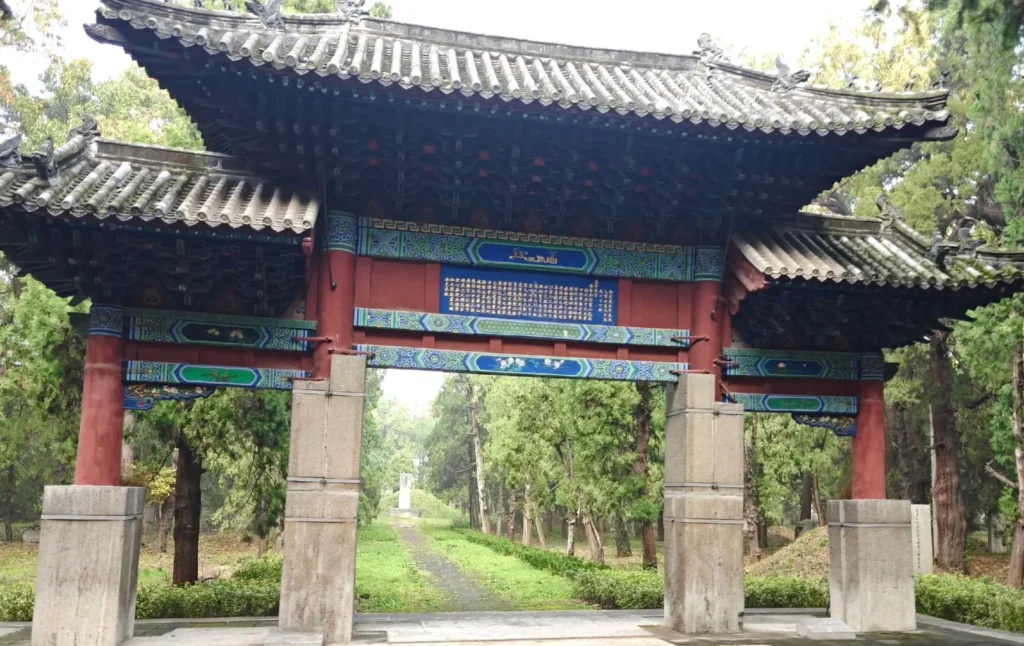
When planning your visit to Qufu, make sure to explore the full San Kong experience, which includes the Confucius Temple, the nearby Kong Mansion, and the Confucius Cemetery. These three sites together offer a deep dive into Confucian culture and history, giving you a well-rounded perspective beyond just the temple grounds.
Nearby, you can visit Mencius’s hometown and related sites, which are perfect for anyone interested in Confucian philosophy and ancient Chinese scholars. Don’t miss a stroll through Qufu’s old town, where local cuisine offers a taste of Shandong’s rich food heritage—perfect for a cultural break.
For travelers with more time, consider extending your trip to include Tai Shan (Mount Tai), located about an hour’s drive away. This iconic mountain is a UNESCO World Heritage site and a spiritual landmark in Chinese culture, making it a natural addition to a multi-day Shandong itinerary.
For eco-conscious visitors, Qufu supports green travel options like eco-friendly lodging and guided bike or electric scooter tours. These choices help reduce your environmental footprint while allowing you to explore the city comfortably.
To plan your full Qufu journey, including accommodation and detailed site info, check out this comprehensive Qufu culture guide and the insights on visiting the Confucius Mansion. Both will help you craft a meaningful and efficient itinerary.
Why Qufu Calls: Reflections on a Cultural Anchor
Visiting Qufu isn’t just a trip to an ancient site; it’s a journey into the heart of Confucian philosophy and Chinese heritage. Walking through the Temple of Confucius and the surrounding San Kong area feels like stepping back in time, yet the ideas here still resonate worldwide today. For many travelers, Qufu sparks a mindful experience—one that invites reflection on values like respect, wisdom, and harmony.
Confucius’s global impact remains powerful, influencing education, leadership, and ethics far beyond China. Whether you’re a history buff or simply curious about cultural roots, Qufu offers a chance to connect with that legacy on a personal level. Booking a visit through local community resources or guided tours can deepen that experience, providing insights you might miss going solo.
If you’re ready to explore Confucius’s enduring influence and discover why Qufu remains a cultural anchor, check out detailed travel options and cultural highlights in this Qufu culture guide to help plan your meaningful visit.


You May Also Like
Qufu Confucius Temple Ticket Price Guide 2026 and Visit Tips