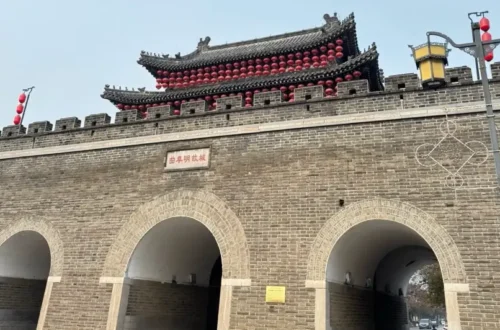
Explore Qufu’s Confucius Temple History Architecture and Tours
If you’ve ever wondered what makes the Confucius Temple in Qufu such an extraordinary destination, you’re about to find out. This isn’t just any historic site—it’s where over 2,000 years of rich philosophy, imperial legacy, and breathtaking architecture come alive. Whether you’re a culture lover, history buff, or traveler planning your next trip, understanding the significance and secrets of the Confucius Temple is essential. Ready to explore the birthplace of Confucianism with expert insights and practical tips? Let’s dive into the timeless majesty waiting for you in Qufu.
The Historical Heart Unraveling Confucius and the Temple’s Origins
Who was Confucius? Born in 551 BCE in Qufu, Shandong, Confucius was a revered Chinese philosopher, teacher, and politician. His teachings focused on ethics, family loyalty, social harmony, and respect for tradition, forming the foundation of Confucian philosophy that shaped Chinese culture for over two millennia.
The Temple of Confucius in Qufu began as a modest residence on the site of Confucius’s family home. Over centuries, it evolved into one of China’s grandest imperial shrines, honoring Confucius’s profound influence. Starting from the Han Dynasty, emperors sent envoys and funds to expand and rebuild the temple, reflecting imperial respect and devotion. Major reconstructions during the Ming and Qing Dynasties brought a majestic scale that still impresses visitors today.
Qufu’s spiritual landscape is deeply connected through the “Three Kongs” — the Confucius Temple, the Kong Family Mansion, and the Cemetery of Confucius. Together, they form a sacred triad celebrating Confucius’s life, legacy, and descendants, making Qufu an essential pilgrimage site for those interested in history, philosophy, and culture. Have you ever wondered how a simple home grew into a UNESCO World Heritage landmark? Visiting the Confucius Temple answers that story in every carved beam and stone path.
Architectural Marvels A Journey Through the Temple’s Sacred Layout

The Qufu Confucius Temple is a vast complex that reflects both grandeur and deep cultural significance. Spanning over 16,000 square meters, it stands as one of the largest temple complexes in China, with architecture showcasing traditional Chinese styles from various dynasties.
Gate-by-Gate Walkthrough
-
Lingxing Gate
The main entrance to the temple, Lingxing Gate, sets a solemn tone. Its name refers to a star linked to scholars, fitting for Confucius’s legacy. Passing through, visitors enter the sacred grounds.
-
Dacheng Gate
This impressive gate leads directly into the heart of the temple. It marks the transition to the most important buildings and creates a sense of reverence.
-
Apricot Altar
Named after the apricot tree where Confucius taught, this altar honors his role as a teacher and philosopher. It’s a quiet spot for reflection before entering the main halls.
Highlight Halls
-
Dacheng Hall
The largest and most significant building, Dacheng Hall is where imperial sacrifices took place. Its majestic wooden pillars, upturned eaves, and elaborate roof symbolize Confucius’s enduring influence.
-
Chongsheng Shrine
Dedicated to Confucius’s ancestors and disciples, Chongsheng Shrine showcases intricate craftsmanship. It contains many of the temple’s treasured artifacts and carvings.
Unique Features
Throughout the temple, you’ll find hundreds of stone tablets and stele pavilions. These record imperial inscriptions and scholarly works from the Ming and Qing dynasties. The presence of these artifacts links the temple’s historical importance with its architectural beauty, offering a glimpse into centuries of Confucian culture.
For more on the temple’s layout and cultural significance, check out the Qufu travel guide and explore the rich heritage of Confucianism in Qufu culture.
Planning Your Visit Practical Tips Tailored for Qufu Explorers
Best Time to Go
The ideal time to visit the Qufu Confucius Temple is during the spring (April to June) and fall (September to October). These seasons offer mild weather and fewer crowds, making it easier to enjoy the vast temple complex without feeling rushed. Summers can be hot and crowded, while winters get chilly and less convenient for walking tours.
How to Get There
Qufu is well connected, especially for travelers coming from major Chinese cities:
- By high-speed train: Qufu East Station links to Beijing, Shanghai, and other hubs, with trains running frequently and taking just a few hours.
- By shuttle or taxi: From Qufu East Station, regular shuttles and taxis can take you directly to the Confucius Temple area in city center within 15 minutes.
- For international visitors flying in, the closest airports are Jinan and Qingdao, both offering ground transport options to Qufu.
Tickets and Hours
- Opening hours: The Qufu Confucius Temple is open daily from 8:00 AM to 5:00 PM, with the last entry usually allowed an hour before closing.
- Ticket prices: Entrance fees range around 90 RMB for adults, with discounts for students and seniors. Tickets can be purchased onsite or online in advance to avoid lines.
Accessibility
The temple grounds provide wheelchair-friendly paths and ramps at main entrances and halls, making it accessible for visitors with mobility needs. Families will find open spaces and shaded rest spots perfect for kids, along with some interactive displays that engage younger visitors. The site also emphasizes sustainability, encouraging visitors to use water refill stations and follow eco-friendly guidelines.
Local Habits and Nearby Sites
When visiting Qufu, take time to explore beyond the temple:
- Kong Family Mansion next door offers an intimate look at Confucius’ descendants and their history.
- Cemetery of Confucius located a short distance away is the largest Confucian cemetery and worth a peaceful stroll.
- For a fuller Shandong cultural experience, check out recommended local dishes and tea houses nearby.
For a detailed Qufu travel guide and culture tips, you can visit Qufu Travel Guide and Qufu Culture.
Immersive Experiences Beyond the Bricks Living Confucianism in Qufu
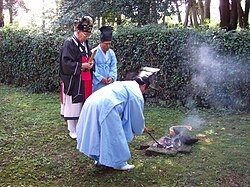
Visiting the Confucius Temple in Qufu offers more than just historic sites—it’s a chance to step into the heart of Confucian culture. You can take part in cultural rituals like memorial ceremonies that honor Confucius himself. These solemn events give a deep sense of the tradition’s respect and spiritual roots. If you’re interested in dress-up experiences, Hanfu sessions let you wear traditional clothing, connecting you more closely with the past.
For some hands-on fun, try archery and pitch-pot games—classic activities once enjoyed by scholars studying Confucian texts. There are also philosophy workshops where you can explore Confucian teachings in simple, meaningful ways that resonate today.
Don’t miss the subtle yet powerful sensory details around the temple: the fresh pine scent in the air, the calming sound of gongs marking ceremonies, and fragrant tea served during traditional tea ceremonies. These elements combine to create a unique atmosphere that’s both peaceful and inspiring.
Confucianism still influences modern life in Qufu. Many locals embrace its values through wellness practices and ethical tourism efforts, making your visit not just a look into history, but a chance to experience Confucius’ teachings living on today.
For a deeper dive into the culture surrounding the temple, check out the full Qufu Culture guide for more insights.
Insider Itineraries Sample Day Trips and Multi-Day Adventures
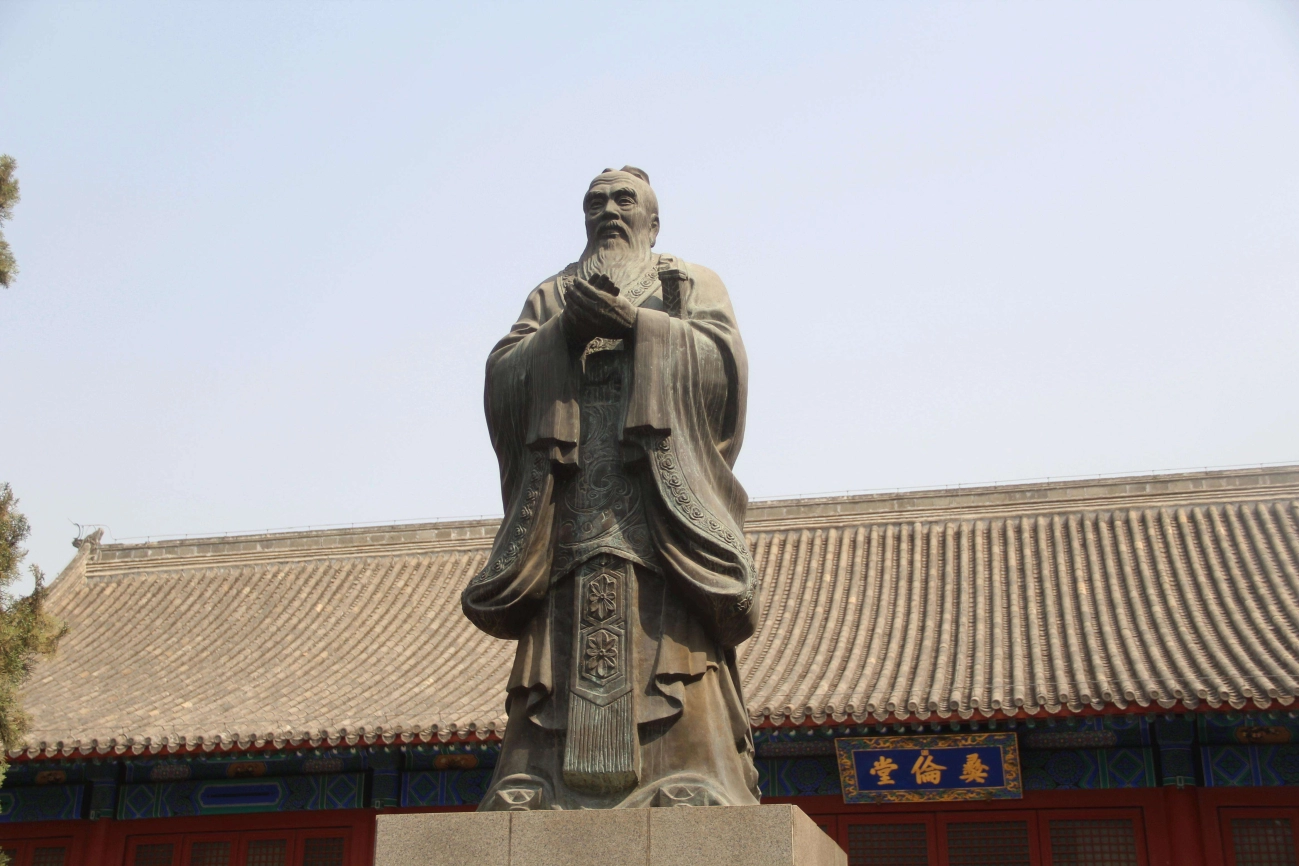
Whether you’re in Qufu for a quick visit or a longer stay, there’s an itinerary that fits your pace.
One-Day Whirlwind
- Confucius Temple: Start early to explore the sprawling temple complex, including Dacheng Hall and stone tablet pavilions.
- Cemetery of Confucius: A short walk away, visit the peaceful burial grounds, which hold centuries of history.
- Kong Family Mansion: End the day touring the nearby ancestral home with its impressive Ming and Qing architecture.
This sequence covers the essential highlights and offers a deep dive into Confucian heritage without rushing.
Extended Stay
If you have more time, add a day for:
- Mount Tai Hike: Just a short trip from Qufu, Mount Tai offers stunning views and a spiritual experience tied to ancient Chinese culture.
- Meng Temple: Visit this less-crowded but significant site, honoring Mencius, another great Confucian thinker.
Combining these gives you a broader sense of Shandong’s cultural and natural beauty.
For Locals and Regional Visitors
- Plan weekend escapes focusing on Confucian cuisine—local dishes inspired by the region’s history and traditions.
- Explore nearby towns and lesser-known temples for a more relaxed cultural experience.
Pro Tip Night Tours and Exclusive Bookings
- Some providers offer night tours of the Confucius Temple, which bring a unique atmosphere with evening lights and fewer crowds.
- Consider booking exclusive guided tours through trusted local platforms for behind-the-scenes access and richer storytelling.
For more detailed planning tips and cultural insights, check out the full Qufu travel guide and explore the complete Confucius heritage guide.
Preserving the Legacy Sustainability and Etiquette at the Temple
Visiting the Qufu Confucius Temple isn’t just about sightseeing—it’s about respecting a cultural treasure that’s stood for centuries. When you explore this UNESCO World Heritage site, keep a few cultural dos and don’ts in mind:
- Do speak softly and behave respectfully—this is a place of worship and learning.
- Don’t touch the ancient artifacts or climb on structures.
- Do follow signage and stay on designated paths to protect the grounds.
- Don’t take photos where prohibited, especially during memorial ceremonies.
On the conservation front, the temple benefits from ongoing UNESCO protections aimed at preserving its priceless architecture and relics. Local authorities also run eco-initiatives designed to reduce environmental impact while maintaining the site’s historical integrity. These include limiting vehicle access and encouraging waste recycling throughout the complex.
Looking to the future, Qufu is embracing digital technology to keep Confucius’s legacy alive. Innovative AR apps now let visitors experience virtual tours and interactive storytelling right on their phones. This not only enhances accessibility but also helps reduce foot traffic in sensitive areas, balancing preservation with modern engagement.
For a deeper look at how to respect the site while learning about its cultural importance, check out this Qufu culture guide. It’s a handy resource for getting the most out of your visit responsibly.


You May Also Like
Where Is Qufu Confucius Temple Located Complete Travel Guide