Explore Qufu Culture A Complete Guide to Confucius Heritage and Travel
If you’ve ever wondered what makes Qufu culture so influential—and why millions flock to the city each year—you’re in the right place. Known as the birthplace of Confucius, Qufu is more than just history; it’s a living tapestry of philosophy, rituals, and heritage that still resonates today. In this guide, you’ll uncover the heart of Confucian culture through iconic sites, timeless traditions, and insider travel tips designed to bring Qufu’s ancient wisdom to life. Ready to step into a world where tradition meets modern discovery? Let’s dive into the enduring spirit of Qufu culture.
The Roots of Qufu Culture Confucius and the Birth of Confucianism
Qufu, a city nestled in Shandong Province, China, holds a special place in world history as the birthplace of Confucius, one of the most influential philosophers ever. Confucius, known as Kong Fuzi, was born in 551 BCE and his teachings laid the foundation for Confucianism—a philosophy emphasizing morality, respect, and social harmony. This timeless wisdom continues to inspire people globally, making Qufu a vital cultural and spiritual hub.
Who Was Confucius A Quick Dive into the Philosopher’s Life
Confucius was more than a teacher; he was a visionary who sought to restore balance in a turbulent era. His life in Qufu shaped his ideas on ethics, governance, and education. Through his emphasis on virtues such as benevolence, righteousness, and filial piety, Confucius created a framework that has guided millions over centuries. Understanding his life offers deep insight into the heart of Qufu’s culture.
Qufu’s Ancient Foundations From Lu State Capital to Cultural Cradle
Long before Confucius, Qufu served as the capital of the ancient Lu State during the Zhou Dynasty. This historical backdrop gave rise to a flourishing cultural landscape. Over time, Qufu transformed from a political center into a sacred cradle of tradition, preserving Confucian values through generations. Its rich history is embedded in the city’s architecture, rituals, and daily life, inviting visitors to experience a living connection to China’s philosophical heritage.
Iconic Sites of Qufu Culture Exploring the UNESCO-Listed San Kong
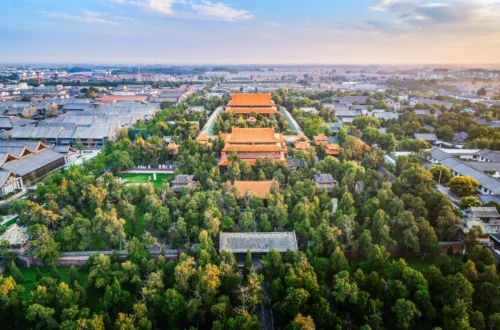
Qufu’s culture centers around the famous San Kong sites, a trio of landmarks that UNESCO has recognized for their historical and cultural importance. These sites give you a real feel for Confucius’s world and the legacy he left behind.
Temple of Confucius Kong Miao The Spiritual Epicenter
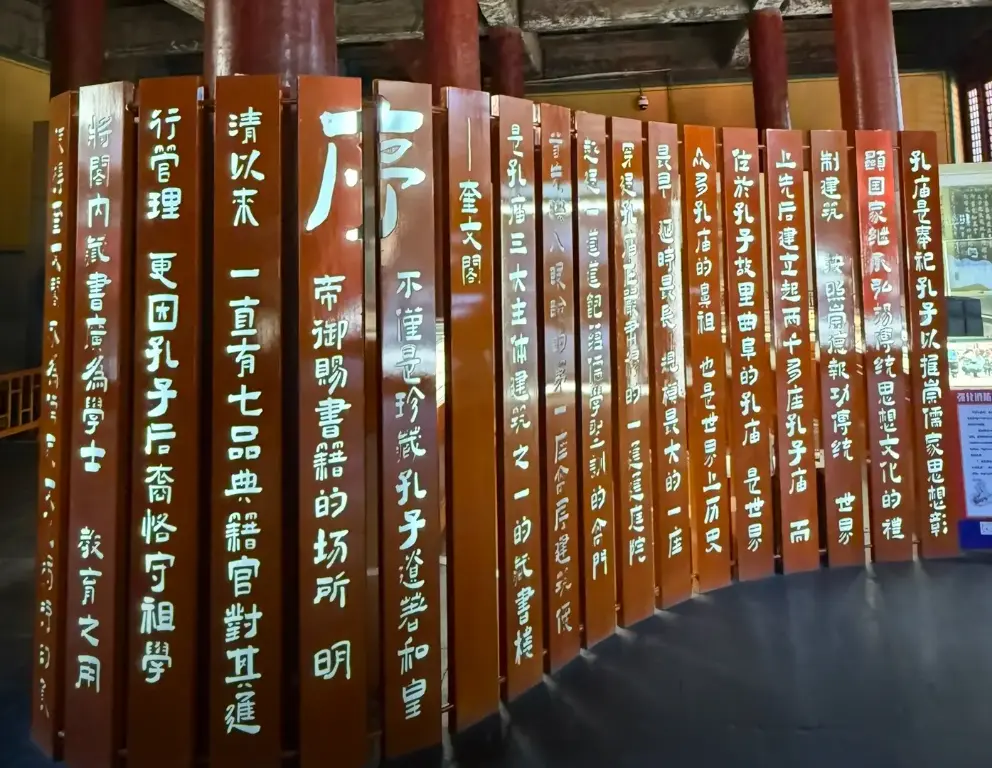
The Temple of Confucius, or Kong Miao, is the heart of Qufu culture. It’s where Confucian philosophy comes alive through stunning architecture and centuries-old rituals. Walking through the temple grounds, you can sense the deep respect locals and visitors alike have for Confucius’s teachings. This spiritual epicenter holds countless artifacts, inscriptions, and shrines dedicated to the philosopher.
Kong Family Mansion Kong Fu A Glimpse into Aristocratic Legacy
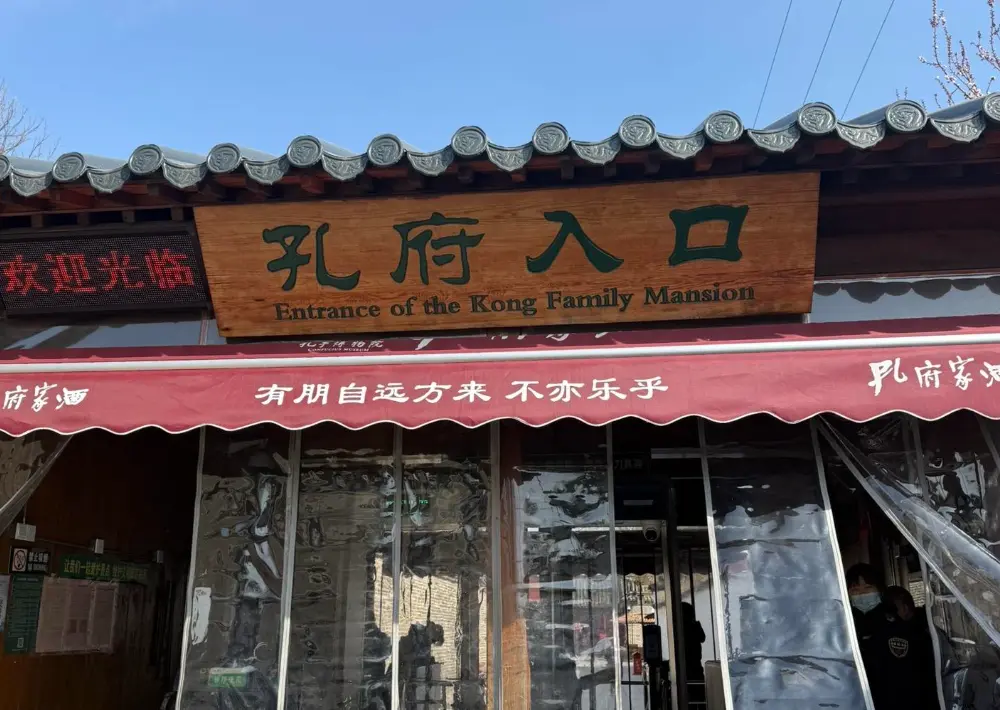
Next is the Kong Family Mansion, also known as Kong Fu. This grand residence belonged to Confucius’s descendants and offers a unique view of how his family lived for over 2,000 years. The mansion’s layout, furnishings, and gardens show the aristocratic lifestyle shaped by Confucian values. It’s a great spot to understand the social impact of Confucianism beyond just philosophy.
Cemetery of Confucius Kong Lin Serenity Among Eternal Cypresses
Lastly, the Cemetery of Confucius, or Kong Lin, is a peaceful place where thousands of Confucius’s family members are buried. Shaded by ancient cypress trees, the cemetery is a space of quiet reflection. It symbolizes respect for ancestors, a key idea in Confucian teaching. Visitors often feel a deep connection to history walking among these old graves and towering trees.
Together, these San Kong sites form the core of what makes Qufu culture special, blending history, philosophy, and family heritage in one unforgettable experience.
Immersive Experiences Living Qufu Culture Today
When you visit Qufu, you’re not just seeing history—you’re stepping into a living culture shaped by centuries of Confucian tradition. The city brings its heritage to life through festivals, hands-on activities, and unique local flavors.
Festivals and Rituals The Grand Ceremony of Worship
One of the most remarkable experiences is the Grand Ceremony of Worship held at the Temple of Confucius. This event honors Confucius with traditional music, dance, and ancient rites performed by locals dressed in historic costumes. It happens every year and draws visitors who want to witness the deep respect for Confucian philosophy that still flourishes here.
Hands-On Traditions Six Arts City and Local Workshops
Qufu offers immersive ways to connect with Confucian culture through interactive experiences. The Six Arts City is a standout destination where you can try your hand at ancient practices like calligraphy, archery, or traditional music. Plus, local workshops teach crafts such as paper cutting and Confucian-style painting, making it easy to appreciate the daily life of Confucius’s time.
Culinary Heritage Savoring the Kongfu Banquet
No visit to Qufu is complete without tasting the Kongfu Banquet, a traditional feast inspired by the Kong family. This dining experience features dishes with rich local flavors rooted in Confucian culture. The banquet is an excellent way to enjoy Shandong cuisine while understanding how food plays a role in Qufu’s cultural identity.
From ceremonies to food, living Qufu culture today is about actively engaging with the traditions that have made it the Confucius birthplace and a vital part of Shandong Confucian tourism.
Planning Your Qufu Culture Trip Essential Travel Tips
Getting There and Around
Qufu is easy to reach from major cities in China, especially if you’re coming from Beijing or Shanghai. The high-speed train network connects Qufu to both cities in just a few hours—perfect if you want a smooth and fast trip. The nearest airport is Jinan Yaoqiang International Airport, about 1.5 hours away by car.
Once in Qufu, getting around is straightforward. Most of the key sites like the Temple of Confucius, Kong Family Mansion, and the Cemetery of Confucius are close to each other within the San Kong area. You can get around on foot, by bicycle, or take a local taxi or shuttle service.
Where to Stay and Best Time to Visit
Qufu offers a range of accommodations—from budget guesthouses to boutique hotels near the historical center. For the best experience, choose a place within walking distance of the San Kong sites.
The ideal time to visit is spring (April to May) and autumn (September to October) when the weather is mild, and crowds are smaller. Summers can be hot and humid, while winters are cold and quiet, which might limit some outdoor activities.
Sustainable and Family-Friendly Advice
- Sustainability: To help preserve Qufu’s cultural heritage, stick to designated paths and avoid touching fragile monuments. Support local craftspeople by purchasing authentic souvenirs and local food products.
- Family-Friendly Tips: Many attractions welcome families, with some interactive exhibits at the Six Arts City. Kids will enjoy the cultural festivals and workshops that explain Confucian teachings in fun ways.
- Bring comfortable shoes—there’s plenty of walking, especially if you plan to hike Ni Mountain nearby.
- Consider local eateries for meals, like trying the traditional Kongfu Banquet cuisine, which is both delicious and a cultural experience for everyone.
Following these tips will help you get the most from your trip to Qufu while respecting its deep cultural roots.
Why Qufu Culture Endures Modern Relevance and Final Thoughts
Qufu culture remains important today because it connects us to ideas that still shape how people live and lead. Confucius’s teachings on respect, family, education, and community are values that resonate worldwide, including in the U.S. Whether you’re interested in philosophy, history, or culture, Qufu offers a unique window into these timeless principles.
The UNESCO-listed San Kong sites—the Temple of Confucius, Kong Family Mansion, and Cemetery of Confucius—aren’t just historic landmarks. They actively promote cultural understanding and inspire visitors to reflect on how Confucian philosophy influences modern life, from education systems to ethics.
Experiencing Qufu culture through the Confucius Cultural Festival or tasting the Kongfu Banquet gives us a chance to live history, not just read about it. These traditions keep the stories and values alive, making them relevant beyond China’s borders, even for travelers from the U.S.
In short, Qufu culture endures because it offers meaningful lessons wrapped in rich heritage. For American visitors seeking depth and authenticity, Qufu provides a thoughtful way to connect with ancient wisdom that still speaks to today’s challenges and opportunities.


You May Also Like
Overview of Qufu History and Culture A Complete Guide to Confucius’s Birthplace
Who Was Confucius Exploring His Life Teachings and Legacy