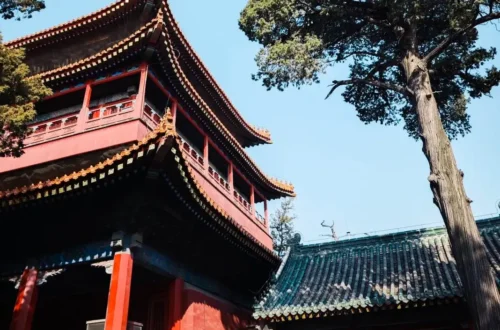
Best Time to Travel to Qufu Seasonal Guide for Ideal Weather and Festivals
Thinking about the best time to travel to Qufu but not sure when to go? You’re not alone. Picking the right season can transform your trip to Confucius’ hometown—from battling crowds and extreme weather to catching local festivals and stunning scenery. Whether you’re chasing spring blossoms, autumn’s golden hues, or a peaceful winter walk through history, this guide cuts through the noise to help you plan with confidence. Ready to discover when Qufu truly shines? Let’s get started!
Qufu Climate Overview
Qufu experiences a temperate continental climate, marked by four distinct seasons that bring a rich variety of weather throughout the year. Annual temperatures typically range from a chilly 20°F (-6°C) in winter to a warm 88°F (31°C) in summer. On average, Qufu receives about 24 inches (600 mm) of rainfall annually, concentrated mostly in the summer months due to the East Asian monsoon.
A fascinating micro-climate detail is that Qufu sits in a basin surrounded by hills, which can cause slight temperature variations compared to nearby areas. This means mornings might be cooler and evenings warmer, perfect for exploring historical sites when the sunlight softens.
Visualize the climate as a rhythm that shapes travel plans: spring and autumn offer mild, comfortable temperatures ideal for sightseeing, while summers bring heat and humidity that reward travelers with lush landscapes. Winters, though cold, provide a serene, quiet atmosphere around Confucius Temple without the crowds.
Pro Tip: To avoid unexpected weather dips or heat spikes, check a 7-day weather forecast before your trip and pack a light jacket or umbrella. This small step makes a big difference in comfort while exploring Qufu’s rich heritage.
Spring March May

Weather Breakdown
Spring in Qufu runs from March through May and is one of the best times to visit. Temperatures rise from chilly 40s°F (around 5°C) in early March to a comfortable 70s°F (20-25°C) by late May. Rainfall is moderate, making the weather fresh and ideal for exploring the city and outdoor sites.
Highlights
Spring breathes life into Qufu with blooming flowers and lush greenery, especially around the Confucius Temple and Cemetery. It’s also a great time for surrounding nature spots without the summer crowds and heat.
Events
- Confucian Cultural Festival (usually in April): This popular event celebrates Confucius’s legacy with traditional performances, ceremonies, and cultural workshops.
- Lotus Festival at Weishan Lake: While lotus blooms peak in summer, early signs start appearing in late spring, perfect for nature lovers.
Pros and Cons
Pros
- Mild, comfortable temperatures
- Less crowded than summer
- Vibrant spring scenery
Cons
- Occasional spring showers
- Cool evenings may require layers
Itinerary Idea
- Morning: Visit the Confucius Temple before crowds build up
- Afternoon: Explore the Confucius Mansion and Cemetery
- Evening: Stroll through the scenic neighborhoods with cafes and local eateries
Packing Essentials
- Light jacket or sweater for cool mornings and evenings
- Comfortable walking shoes for temple grounds and city streets
- Umbrella or light raincoat just in case of spring showers
- Sunglasses and sunscreen for sunny days
Spring is a sweet spot for travelers who want to enjoy Qufu’s heritage without the summer rush and heat, making the timing a solid choice for first-time visitors.
Summer June August in Qufu

Weather Breakdown
Summer in Qufu (June to August) is hot and humid. Daytime temperatures often range from 85°F to 95°F, with July being the hottest month. Afternoon thunderstorms are common, giving brief relief from the heat. Humidity levels tend to be high, so it can feel warmer than the thermometer shows.
Highlights
Summer brings lush green landscapes around Confucius Temple and the surrounding parks. This season is perfect for enjoying early morning or late evening walks to avoid the midday heat. Nearby Weishan Lake offers a cool retreat with its Lotus Festival usually held in July, showcasing vibrant lotus blooms and local culture.
Events
- Lotus Festival at Weishan Lake (July)
- Local temple fairs and cultural performances
- Some smaller markets and food events open in the evenings to beat the heat
Pros and Cons
Pros
- Longer daylight hours for sightseeing
- Green, lively scenery with flowers in full bloom
- Festivals like the Lotus Festival add to the experience
Cons
- Hot and humid weather may be uncomfortable for some
- Afternoon thunderstorms could disrupt plans
- More tourists in popular spots like Confucius Temple
Itinerary Idea
- Early morning visit to Confucius Temple to avoid crowds and heat
- Afternoon break at a café or your hotel
- Evening stroll around the city or to Weishan Lake to catch the Lotus Festival
- Try some local Shandong cuisine at night markets
Packing Essentials
- Lightweight, breathable clothing
- Sunhat and sunglasses
- Waterproof jacket or compact umbrella for sudden rain
- Comfortable walking shoes
- Reusable water bottle to stay hydrated
Summer can be vibrant and rewarding in Qufu if you plan around the heat and occasional rain.
Autumn in Qufu September November
Weather Breakdown
Autumn in Qufu brings mild, comfortable weather with temperatures ranging from 55°F to 75°F (13°C to 24°C). Rainfall decreases significantly compared to summer, making it a drier season. The skies are mostly clear, and cool evenings start to set in by November.
Highlights
This is one of the best times to explore Confucius Temple and the surrounding ancient sites without summer crowds. Autumn foliage adds golden and red hues to the scenery, creating great photo opportunities. This season also offers ideal conditions for a day trip to nearby Mount Tai.
Events
- Confucian Cultural Festival (early October): A vibrant celebration with traditional music, performances, and cultural displays honoring Confucius.
- Shandong Autumn Festivals: Various local harvest and cultural events showcase regional food, crafts, and folk traditions.
Pros
- Pleasant temperatures perfect for walking and outdoor sightseeing
- Lower humidity and less rain than summer
- Colorful autumn landscapes enhance the experience
Cons
- Cooler evenings require warmer clothing
- Some smaller attractions may close earlier as tourist season winds down
Itinerary Idea
- Morning: Visit Confucius Temple and Cemetery
- Afternoon: Explore Qufu Old Town and artisan shops
- Evening: Attend a cultural performance during the Confucian Cultural Festival or stroll through autumn-lit streets
Packing Essentials
- Layers: Light sweaters, long sleeves, and a jacket for evenings
- Comfortable walking shoes for city and nature trails
- Umbrella or light rain jacket just in case of occasional showers
- Camera for capturing fall colors and festival moments
Autumn offers a balanced mix of great weather and rich cultural experiences, making it a favorite time for visiting Qufu.
Winter December February

Weather Breakdown
Winter in Qufu is cold and dry, with average temperatures ranging from 28°F to 45°F (-2°C to 7°C). Snowfall is rare but possible, making the city quieter and less crowded. The chilly air is crisp, and precipitation is low, which keeps outdoor sightseeing comfortable if you dress appropriately.
Highlights
Visiting the Confucius Temple and Cemetery in winter offers a peaceful experience without the usual crowds. The stark beauty of the ancient architecture against a wintery landscape adds a unique charm. It’s also a good time to explore local museums and indoor cultural sites.
Events
Winter is relatively quiet event-wise, but you might catch small local gatherings or temple fairs during the Chinese New Year season, which typically falls in late January or February. These celebrations provide authentic cultural insight with traditional performances and local food.
Pros Cons
Pros:
- Fewer tourists, especially at Confucius Temple
- Lower prices for accommodations and travel
- Crisp, clear winter air ideal for photos and peaceful tours
Cons:
- Cold temperatures require proper layering
- Limited outdoor festivals or natural scenery highlights
- Some smaller local attractions might have reduced hours
Itinerary Idea
- Morning: Visit Confucius Temple and Mansion with fewer crowds
- Afternoon: Explore Qufu Museum and local galleries
- Evening: Enjoy a warm meal at a traditional Shandong restaurant
- Optionally, attend New Year festivities if your trip aligns
Packing Essentials
- Warm layers including thermal shirts and sweaters
- Waterproof winter jacket with wind protection
- Gloves, hat, and scarf for outdoor touring
- Comfortable, insulated walking shoes
- Portable hand warmers for extra comfort during long walks
Festivals and Events in Qufu
Qufu is rich in cultural festivals that offer a deep dive into Confucian traditions and local heritage. Timing your visit around these events can enhance your experience significantly.
Core Events Table
| Festival Name | When | Highlights | Location |
|---|---|---|---|
| Confucian Cultural Festival | September | Ceremonies honoring Confucius, traditional music and dance | Confucius Temple |
| Lotus Festival | July-August | Lotus flower displays, boat races, local food stalls | Weishan Lake |
| Qufu International Food Festival | October | Diverse cuisines, local delicacies, cooking demos | Qufu city center |
| Mid-Autumn Festival | September-October | Lantern displays, mooncake tasting, cultural performances | Various locations |
Booking Advice
- Festival periods, especially during the Confucian Cultural Festival, see higher demand for hotels. Book accommodations at least 1-2 months in advance.
- For the Lotus Festival and autumn celebrations, plan ahead but you can often find last-minute deals.
- Consider off-peak stays for quieter visits with lower prices.
Local Hack
- Arrive early at the Confucius Temple during festival days to avoid crowds and get a front-row view of the ceremonies.
- Use the Qufu high speed train schedule to plan your arrival and departure around festivals efficiently.
- Try local street food vendors during these events for authentic tastes—prices are better than at restaurants.
Attending Qufu’s festivals offers a great way to connect with the city’s rich history and lively local culture, making your trip memorable.
Practical Travel Tips for Qufu
Transportation
Getting around Qufu is simple and budget-friendly. The city has a reliable public bus system connecting major sites like the Confucius Temple and Cemetery. For faster trips, taxis are affordable and plentiful. If you’re coming from nearby cities, high-speed trains to Qufu East Station are your best bet—quick and comfortable. Renting a bike is also a popular option for exploring at your own pace, especially within the historic district.
Budgeting
Qufu is fairly affordable compared to bigger Chinese cities. Entrance fees for top attractions usually range between $5-$15. Local meals are inexpensive, with plenty of street food and small restaurants offering traditional Shandong dishes. Booking accommodations during off-peak seasons can save you even more, so consider traveling in winter or early spring for the best deals. Avoid last-minute bookings during major festivals like the Confucian Cultural Festival.
Sustainability
When visiting Qufu, respect local customs and the historic sites by sticking to marked paths and avoiding littering. Use refillable water bottles and support businesses that practice eco-friendly tourism. Many sites encourage sustainable practices—help keep this heritage city clean by carrying reusable bags and minimizing waste. Consider using public transport or cycling instead of taxis to reduce your carbon footprint.
Accessibility
Qufu’s main attractions, like the Confucius Temple and the Mansion, have improved accessibility with ramps and elevators for visitors with mobility challenges, but some older structures have uneven grounds. If you or your travel companions need special assistance, check ahead for availability of wheelchairs or guide services. Most hotels can accommodate accessibility needs if informed in advance.
Safety
Qufu is generally very safe for travelers. Violent crime is rare, but like any tourist spot, watch your belongings, especially in crowded areas. Keep an eye on your personal items in busy markets and train stations. For medical needs, there are several clinics and pharmacies in town, and hospitals in nearby Jinan are well-equipped. Follow typical travel precautions including staying hydrated, dressing appropriately for the season, and staying informed on local weather updates.
For a detailed travel plan to Qufu and expert tips, check out the Qufu Travel Guide 2025 Confucius Heritage and Tips.


You May Also Like
Confucius Kong Fuzi Guide Life Teachings and Visit Qufu 2026
Discover Qufu Shandong China Travel Guide Birthplace of Confucius