Confucianism in Qufu vs Other Regions China Why Qufu Stands Supreme
Qufu The Undisputed Heart of Confucianism
Confucianism Elsewhere in China A Quick Comparison Table
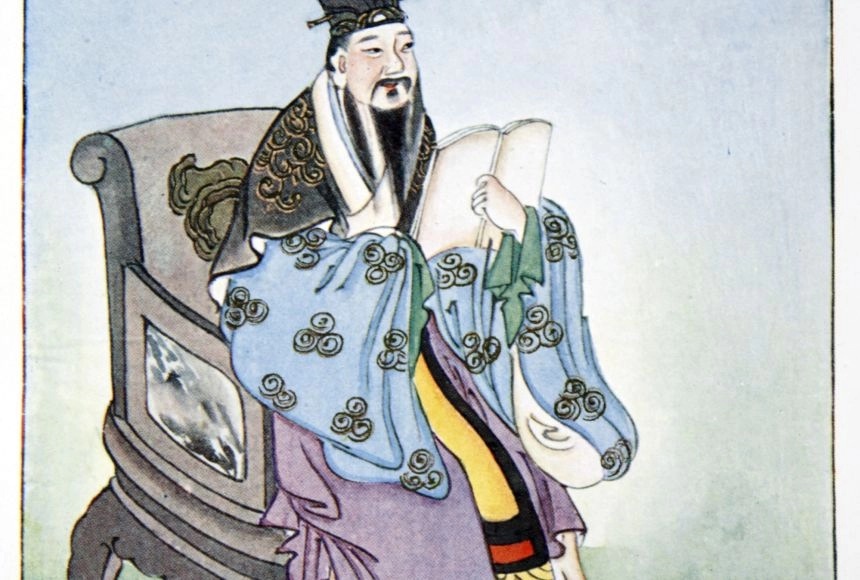
Confucianism is practiced across China, but it varies a lot depending on the region. Here’s a quick look at how Qufu’s Confucian heritage compares with key areas like Beijing and southern China:
| Aspect | Qufu | Beijing | Southern China |
|---|---|---|---|
| Historical Importance | Birthplace of Confucius, original sacred site | Influential politically, later center of Confucian education | More influenced by local customs, less tied to Confucius’ lineage |
| Main Sites | Qufu Confucius Temple, Cemetery of Confucius, Confucius Mansion | Temple of Confucius in Beijing, imperial academies | Smaller Confucian temples, less monumental architecture |
| Architectural Scale | Largest Confucius Temple complex, UNESCO site | Large but modernized temples and academies | More modest, blending with local styles |
| Ritual Practices | Dacheng Hall rituals preserved, Kong family descendants perform ceremonies | Formal state-sponsored rituals, sometimes less continuous | Mixed traditions, often merged with local religions |
| Festivals | Confucius Cultural Festival with ancient music and dance | Academic ceremonies, cultural events occasionally | Local Confucius celebrations, less grand |
| Living Tradition | Strong Kong family presence keeps lore alive | Academic and governmental use of Confucianism | Confucianism blended with other philosophies |
| Visitor Experience | Immersive tours, rituals, and ancestral sites | Museums and educational institutions | Regional cultural sites, less focused on Confucius |
This table shows why Qufu remains the heart of Confucianism, especially for travelers seeking authentic connection to Confucius’ legacy. For detailed tours and practical travel advice, check out the Qufu Confucius Temple guide and Qufu travel guide.
Why Qufu Wins for Travelers

Qufu stands out as the ultimate destination for anyone wanting to dive deep into Confucianism. It’s not just the birthplace of Confucius but also where his legacy feels alive every day. Here’s why Qufu beats other regions for travelers interested in Confucian heritage:
Authentic Experience
Qufu offers the most genuine encounter with Confucianism. You can visit the vast Confucius Temple, the largest of its kind, where Dacheng Hall rituals still happen regularly. These ancient ceremonies give you a real sense of tradition in motion, unlike elsewhere in China where Confucianism is more symbolic.
Rich Historical Sites
Beyond the temple, the Cemetery of Confucius and the Confucius Mansion provide a full picture of Confucius’s life and the Kong family descendants who have upheld his teachings for centuries. No other place matches Qufu’s depth of connection to Confucian history.
Cultural Events
The annual Confucius Cultural Festival is a highlight for travelers. It draws visitors globally and showcases traditional music, calligraphy, and ceremonies that breathe life into Confucian ideals.
UNESCO Recognition
Qufu’s Confucius Temple and related sites are UNESCO Confucian sites, meaning they’re globally recognized for their cultural importance. This status ensures well-maintained heritage and a well-organized tourist experience.
Easy Access and Travel-Friendly
Getting around Qufu is straightforward, and local guides cater specifically to Confucianism seekers with detailed tours and practical tips. For a complete travel plan, check out the Qufu travel guide for insights on making your visit smooth and rewarding.
For anyone wanting to truly connect with Confucian culture, Qufu simply offers more depth, authenticity, and practicality than any other Confucian spot in China.
3 Day Qufu Itinerary for Confucianism Seekers
If you want to dive deep into Confucianism, spending three days in Qufu is ideal. Here’s a simple itinerary that covers the key sites and experiences tied to Confucius and his legacy.
Day 1: Confucius Temple and Dacheng Hall Rituals
- Morning: Start at the Qufu Confucius Temple, the largest Confucian temple in the world. Explore its vast courtyards, intricate carvings, and peaceful gardens.
- Afternoon: Attend the Dacheng Hall rituals if they coincide with your visit—these traditional ceremonies bring Confucian teachings to life.
- Evening: Walk through the temple grounds at sunset for a quieter, reflective experience.
Day 2: Cemetery of Confucius and Kong Family Mansion
- Morning: Take a guided tour of the Cemetery of Confucius, the largest ancient family tomb site. It’s a deep dive into Confucius’ family lineage and the reverence his descendants still hold.
- Afternoon: Visit the Kong Family Mansion, the historic home of Confucius’ descendants. The architecture and artifacts here showcase how Confucian culture shaped local life over centuries.
- Evening: Explore local dining spots to taste traditional meals inspired by Confucian banquet customs.
Day 3: Nishan Sacredland and Confucius Cultural Festival (Seasonal)
- Morning: Head to the Nishan Sacredland where Confucius was born and where many pilgrimage rituals take place. It’s a quieter, more spiritual site compared to the temple area.
- Afternoon: If your trip lines up, take part in or observe the Confucius Cultural Festival, a colorful event celebrating Confucianism with performances, lectures, and local crafts.
- Evening: Reflect on your visit with a stroll through Qufu’s historic streets, soaking in the city’s Confucian atmosphere.
This itinerary lets you experience Qufu’s Confucian spirit fully, from history and architecture to living traditions. For detailed travel tips and guidance, check out the Qufu travel guide.
Practical Tips from Qufu Travel Guide
Visiting Qufu to explore Confucianism means getting the most out of its history, culture, and local customs. Here are some practical tips to help you enjoy your trip to the fullest:
-
Best Time to Visit
Spring and autumn offer mild weather, perfect for walking around the Qufu Confucius Temple and Cemetery of Confucius. Check out the Confucius Cultural Festival dates for special events.
-
Getting Around
Qufu is compact and walkable. Use local taxis or rent a bike to reach Nishan Sacredland easily. For longer trips, the city is well connected by train, including routes from Beijing.
-
Must-See Spots
Don’t miss the Dacheng Hall rituals at the Confucius Temple and a guided tour of the ancient Kong family descendants’ Mansion. The Cemetery of Confucius is vast—plan at least a couple of hours to explore.
-
Cultural Respect
When visiting sacred sites, dress modestly and follow any rules during rituals. Engage quietly and respectfully with locals and guides, especially during ceremonies.
-
Food and Rest
Try local Shandong dishes and Confucian banquets. For detailed food tips, check out the Qufu Food Guide. Booking accommodation near the temple area saves travel time.
-
Tickets and Entry
Purchase combined tickets where available for the Confucius Temple, Mansion, and Cemetery to save money and hassle.
For a comprehensive overview of what to see and do, along with travel details, the Qufu Travel Guide has you covered with up-to-date insights for 2025 and beyond. Visit Qufu Travel Guide to plan your trip.


You May Also Like
Is Confucius Religion A Philosophy Or Belief Explored in Qufu
Confucius Plaza NYC History and Cultural Guide to Chinatown Landmark