Timeless Confucius Quotes Explained with Qufu Travel Guide Insights
The Enduring Philosophy of Confucius: Core Principles Shaping His Words
Confucius’s philosophy, rooted in timeless ideals, continues to influence ethics, governance, and daily life across cultures. At the heart of his teachings lie three key principles: Ren (benevolence), Li (ritual propriety), and Xiao (filial piety). Ren emphasizes kindness and humanity, encouraging individuals to treat others with compassion. Li stresses the importance of proper behavior and respect for social rituals, creating harmony within communities. Xiao focuses on honoring one’s parents and ancestors, which forms the foundation of moral responsibility and social stability.
These principles are not just abstract ideas but practical guides for building ethical societies and maintaining personal harmony. Confucius developed his thoughts during the turbulent Spring and Autumn Period of China (approximately 771–476 BCE), a time marked by political fragmentation and social upheaval. His call for moral virtue and orderly conduct was a direct response to the challenges of his era.
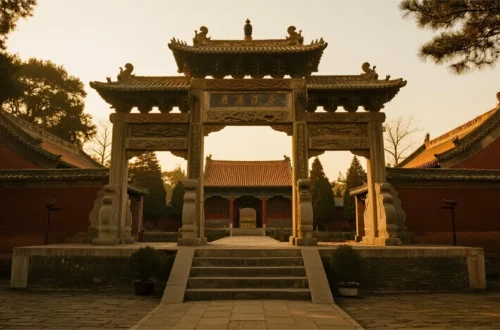
Today, the city of Qufu, Confucius’s birthplace, stands as a living testament to his legacy. The Temple of Confucius in Qufu remains the largest Confucian shrine worldwide and a vibrant center for rituals and cultural celebrations. Visitors experience firsthand the deep reverence for Confucian values preserved in the temple’s architecture and daily ceremonies — a powerful reminder that these ancient teachings still shape lives today.
Quotes on Wisdom and Learning: Fuel for the Curious Traveler
Confucius once said, “Real knowledge is to know the extent of one’s ignorance.” This timeless insight encourages us to stay curious and humble, a mindset perfect for any traveler eager to learn. His teachings highlight that wisdom comes not just from books but from reflection and experience.
Visiting Qufu, you can walk through the ruins of the Confucian Academy, where scholars studied his words for centuries, and the Forest of Steles, which displays ancient inscriptions of Confucian classics. Both landmarks are living proof of his commitment to learning as a lifelong journey.
Whether you’re exploring these sites or simply reflecting on your own adventures, Confucius’s sayings on learning inspire continuous growth and a deeper appreciation for every new experience. For an enriching visit, consider this practical guide to navigating Qufu’s heritage sites dedicated to Confucian wisdom and education.
Explore more on planning your trip with our detailed Qufu Confucius Temple visit guide.
Quotes on Virtue and Relationships: Building Harmony in a Connected World
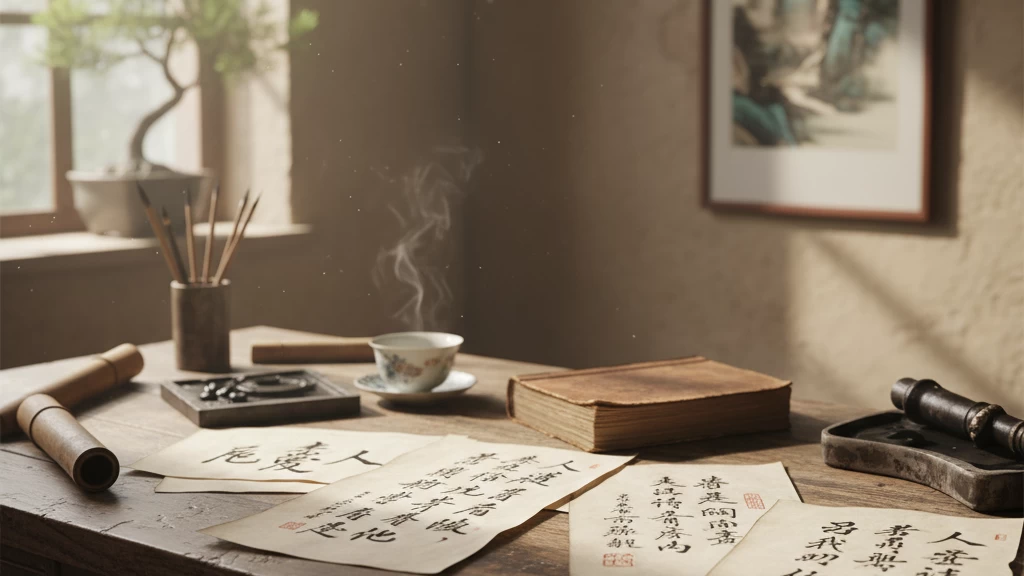
Confucius placed great emphasis on virtue and strong relationships as the foundation of a harmonious society. His sayings like “Virtue is not left to stand alone. He who practices it will have neighbors” highlight how kindness and moral integrity create lasting bonds between people. These ideas remain relevant today, encouraging us to nurture resilience, trust, and understanding in every connection—whether personal or professional.
Visiting Qufu amplifies this experience, especially during local festivals that celebrate Confucian values through music, dance, and rituals. When exploring the Temple of Confucius, it’s important to observe cultural etiquette such as respectful dress and quiet reflection, which honor the spirit of Li (ritual propriety) embedded in Confucian teachings. Engaging with these customs not only deepens your respect for the site but also connects you to the timeless emphasis on virtue and social harmony.
For those curious to explore more about these Confucius sayings explained and how they relate to daily life and travel, the detailed insights at the Confucius quotes page offer thoughtful reflections. Embracing these virtues can transform your travel experience into a meaningful journey of self-growth and cultural respect.
Quotes on Leadership and Governance: Lessons from the Sage’s Ideal Society
Confucius emphasized leadership grounded in family values, humility, and calm composure. He believed true leaders serve others with integrity, putting the welfare of the people first. One famous quote captures this: “To lead the people, walk behind them.” This idea promotes servant leadership—a concept still relevant in today’s management styles.
In Qufu, the legacy of Confucius’s leadership ideal runs deep. The Kong clan lineage, direct descendants of Confucius, symbolizes a living connection to these values. The city also played a pivotal role in imperial exams, which tested scholars not only on knowledge but also on moral character, highlighting how governance was tied to ethics. Visitors can explore serene spots once used as retreats for officials to cultivate reflection and composure—perfect examples of balancing leadership with personal growth.
Sustainable tourism in Qufu aligns well with Confucian principles. Respect for heritage and nature ensures that the leadership lessons from the past are preserved and passed on responsibly. Whether you’re inspired by the Kong clan’s history or the imperial exam culture, incorporating ethical leadership into your travels enhances both your experience and the community.
For a deeper dive into Qufu’s rich cultural and leadership heritage, consider visiting the detailed Qufu travel guide and learn how to reach this historical city easily from major hubs like Beijing.
Quotes on Perseverance and Simplicity: Navigating Life’s Journeys
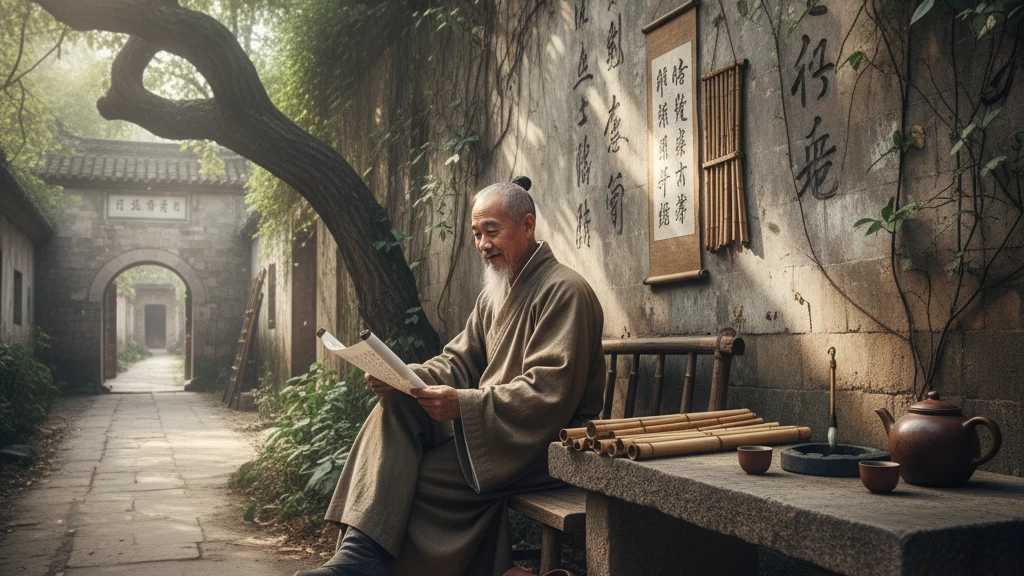
Confucius’s sayings about perseverance remind us that steady effort and patience shape true success. He emphasized simplicity and wholehearted presence, encouraging us to embrace life’s challenges without overcomplicating them. Quotes like “It does not matter how slowly you go as long as you do not stop” inspire resilience and focus on consistent progress.
In Qufu, these timeless lessons come alive along the pilgrimage paths winding through serene natural sites. Walking these trails, travelers experience the very endurance Confucius valued—step by step, with mindfulness. Staying in local homestays adds another layer of simplicity, connecting visitors to authentic everyday life rooted in traditional values.
To better understand the journey of Confucian thought alongside these quotes, an infographic highlighting key moments in Confucius’s life and legacy enriches the experience. Exploring Qufu’s landscapes paired with this visual timeline puts those lessons in perspective, blending history with personal reflection.
For more on Qufu’s cultural and natural sites ideal for slow, thoughtful exploration, check the detailed Qufu travel guide and plan your visit during the seasons that best suit quiet reflection with our Qufu weather guide.
Quotes on Inner Peace and Reflection: Solace Amid Modern Rush
Confucius’s words often guide us to find calm amid life’s chaos. He taught the importance of forgiveness, self-confidence, hope, and embracing fresh starts. One quote captures this well: “When we see men of a contrary character, we should turn inwards and examine ourselves.” This reminds us to pause, reflect, and grow rather than reacting with frustration.
Visiting Qufu, you can connect with this philosophy in spaces like the Temple of Confucius’s ritual halls, where quietude invites reflection. Nearby universities foster ongoing study and inner growth, blending ancient wisdom with modern education. For those new to Confucian ideas or visiting, beginner travel guides help you ease into this mindful experience.
To deepen your calm, interactive meditation audios inspired by Confucius’s teachings are often available through local cultural centers, letting you practice forgiveness and centeredness while exploring Qufu. These tools offer a practical way to balance today’s fast pace with timeless insight.
Explore more on Qufu’s serene cultural sites and practical travel tips in the complete Confucius heritage guide.
Quotes on Legacy and Timelessness: Confucius’s Global Echo
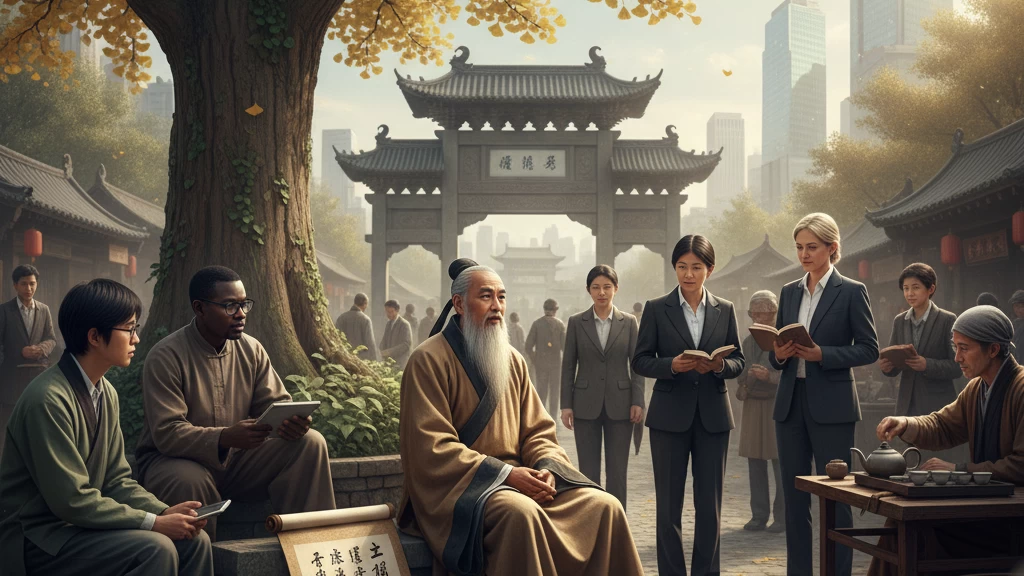
Confucius’s wisdom transcends time, inspiring moral courage, adaptability, and ethical prosperity worldwide. His teachings remind us that true legacy comes from living with integrity and generosity—values that still resonate deeply across cultures today.
In Qufu, you can see this legacy come alive through the Confucian revival efforts, which include immersive VR tours offering a fresh perspective on ancient philosophy and history. These modern experiences make the enduring principles of Confucius accessible, blending tradition with innovation. Plus, sustainable shopping options in the city promote ethical consumption, reflecting Confucian ideas of balance and respect for the environment.
Applying Confucius’s Wisdom: Crafting Your Qufu Itinerary
Planning a trip to Qufu—the birthplace of Confucius—can be both inspiring and deeply personal. Here’s a simple 3-day itinerary designed around Confucius’s timeless quotes and the rich sites that bring his teachings to life.
Day 1: Wisdom and Learning
- Visit the Temple of Confucius, the largest Confucian shrine, to reflect on quotes about wisdom and self-cultivation.
- Explore the Confucian Academy ruins and the Forest of Steles, where ancient inscriptions reveal lessons on learning and perseverance.
- Evening stroll through Qufu’s old town to soak in local culture and practice mindfulness.
Day 2: Virtue and Relationships
- Attend a cultural festival or ritual at the temple if available, experiencing Confucian etiquette and community harmony in action.
- Visit key family heritage sites of the Kong clan, linking Confucius’s emphasis on xiao (filial piety) with real-life roots.
- Dine on local cuisine while reflecting on virtue and connection—check out Qufu food options for authentic flavors.
Day 3: Leadership and Reflection
- Tour the scenic retreats tied to Confucian leadership teachings and the imperial exam halls, understanding governance principles firsthand.
- Spend time in quiet meditation halls near Confucius University, pairing quotes on inner peace with personal reflection.
- Wrap up with a visit to nearby pilgrimage paths or nature spots to ground lessons of simplicity and resilience on your spirit journey.
Pro Tips for Your Qufu Visit
- Best Season: Spring (April-May) or Fall (September-October) for comfortable weather and vibrant scenery.
- Accessibility: Most major sites in Qufu offer easy access, but comfortable shoes are a must for walking temple grounds and historic ruins.
- Cultural Dos and Don’ts: Dress modestly for temple visits, remove shoes when required, and respect local customs during festivals.
- Booking: Plan your accommodations and site tickets in advance, especially during peak travel seasons.
By weaving the wisdom of Confucius into your travel plans, you don’t just visit Qufu—you experience his philosophy firsthand. Ready to start your journey? Explore detailed travel advice and route information from Shanghai to Qufu or find the best flights via the Qufu airport resources to make your trip smooth and meaningful.
For deeper cultural insights, explore the heart of Qufu’s heritage with our complete Qufu culture guide.


You May Also Like

Discover Confucius Plaza New York City History and Cultural Guide
Confucius Study Tour Qufu Guide Immersive Cultural Learning Experience