Confucius Study Tour Qufu Guide Immersive Cultural Learning Experience
The Curriculum of Stone and Wood: The “Three Kongs” (San Kong)
Visiting Qufu, the birthplace of Confucius, means stepping into the heart of Confucianism philosophy through the “Three Kongs” (San Kong): the Temple of Confucius (Kong Miao), the Cemetery of Confucius (Kong Lin), and the Kong Family Mansion (Kong Fu). These historic sites are living classrooms carved in stone and wood, offering travelers a direct connection to the Sage’s enduring legacy.
The Temple of Confucius (Kong Miao)
At the Temple of Confucius, you’ll find the Apricot Altar—where The Master once taught his disciples. This sacred space embodies the profound significance of education in Confucian thought, emphasizing moral cultivation and lifelong learning. The air here feels charged with reverence, as if the echoes of ancient lessons still linger among the towering cypress trees.
The Stele Forest: History in Stone Calligraphy
Nearby lies the Stele Forest, a unique collection of stone tablets inscribed with calligraphy, poetry, and imperial edicts. Walking among these silent witnesses, you read centuries of history carved in elegant script—each stele a testament to Confucius’ influence on Chinese culture and governance.
The Dacheng Hall: Architecture of Reverence
Dominating the Temple complex is the Dacheng Hall, the grand hall of great achievement. Its majestic wooden beams and intricate carvings reflect the deep respect accorded to The Sage. Here, imperial worship ceremonies were held to honor Confucius, underscoring his role as China’s ultimate moral exemplar.
Together, these sites form the core of Qufu’s educational pilgrimage—where stone and wood tell the story of Confucius’ timeless wisdom and the cultural roots of the Analects of Confucius. For the scholar traveler, this is more than sightseeing; it’s an immersive journey into the foundation of Chinese civilization.
The Kong Family Mansion (Kong Fu): Family, Governance, and Daily Life
The Kong Family Mansion, or Kong Fu, stands as a vivid example of Confucian ideals in practice. It was not just a residence but a symbol of how Confucius’ teachings shaped family life and governance. The Confucian philosophy emphasizes cultivating oneself first, then regulating the family, and finally governing the state. This progression reflects the importance of personal virtue as the foundation for social harmony.
Inside the mansion, the daily life of Confucius’ descendants was governed by strict rules of etiquette, known as Li. These rituals and manners were more than formalities—they were essential to maintaining order, respect, and balance within the family and society. From greeting elders to conducting ceremonies, every action followed Confucian principles designed to nurture moral character and social responsibility.
For a detailed look at this historic site, the Confucius Mansion guide offers insights into the architecture and cultural significance of Kong Fu, helping visitors appreciate how the family lived by Confucian values through centuries.
The Cemetery of Confucius (Kong Lin): Lineage and Reflection
Kong Lin, the Cemetery of Confucius, holds the world’s longest recorded family tree, spanning over 2,500 years. This sacred site is more than just a burial ground; it’s a powerful symbol of lineage and continuity in Confucianism philosophy. Walking among the ancient tombs, you witness the deep respect for ancestors that defines filial piety (Xiao), a core value in Confucian thought.
Ancestor worship here isn’t just tradition—it’s a living practice that reflects the importance of family ties and moral duty across generations. Visitors often find themselves reflecting on how Confucius emphasized cultivating virtue through honoring one’s roots, reinforcing the connection between personal growth and family heritage. For a deeper dive into this profound cultural site, explore detailed insights at the Confucius Cemetery.
Immersive Learning: Experiencing the “Six Arts” in Qufu
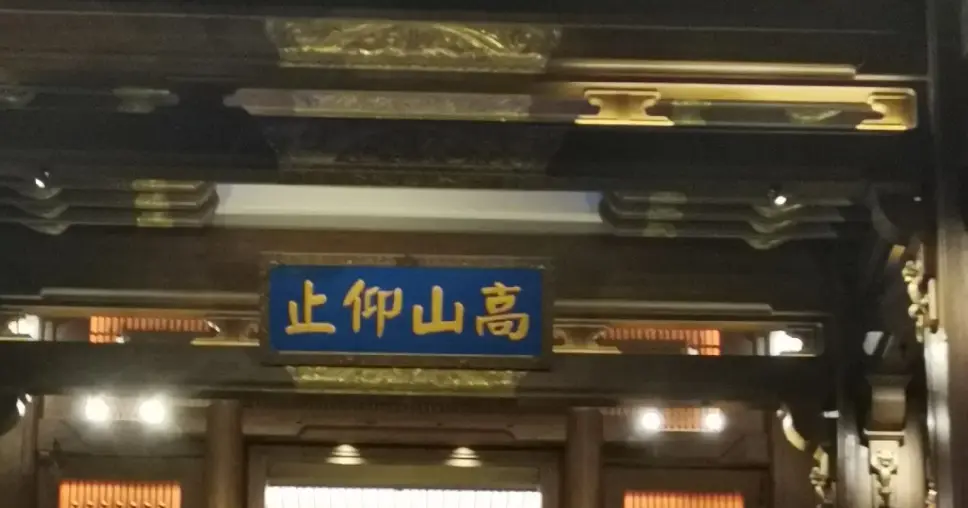
The heart of a Confucius study tour in Qufu lies in experiencing the traditional Liuyi—the Six Arts: Rites, Music, Archery, Charioteering, Calligraphy, and Mathematics. These disciplines shaped Confucianism philosophy as a complete path to personal growth and social harmony.
The Concept of Liuyi
Liuyi represents more than skills; it’s a holistic education system designed to cultivate virtue and balance. Each art reflects a Confucian ideal, from mastering etiquette in Rites to the precision and focus required in Archery.
Archery & Etiquette Practice
Qufu offers authentic spots to practice ceremonial archery, where visitors can engage in this ancient ritual emphasizing respect and discipline. Archery here isn’t just about hitting the target—it’s about embodying Confucian values through posture, breathing, and etiquette.
Guoxue (Sinology) Classes
To deepen your understanding, join Guoxue classes that include Hanfu dressing to set the right mindset, reciting passages from The Analects of Confucius, and calligraphy workshops. These activities bring Confucian teachings to life, connecting you directly with the culture and philosophy.
The Kaipen Ceremony
Don’t miss the Kaipen Ceremony, the morning gate-opening ritual at the Confucius Temple. Timed precisely at dawn, this ceremony symbolizes the start of a new day of learning and respect. It’s a powerful way to witness Confucian reverence in action and feel the living spirit of Qufu’s heritage.
For visitors planning this immersive experience, detailed information about the Confucius Temple’s location and ticketing can be found on the Qufu Confucius Temple location guide and ticket price page. These resources help you prepare for a meaningful dive into Confucian educational travel in China.
Modern Immersion: The Nishan Sacredland
Visiting Mount Ni, also known as Nishan Sacredland, is a must for anyone on a Confucius study tour in Qufu. This is the actual birthplace of Confucius, making it a powerful spot to connect with the roots of Confucianism philosophy. The natural beauty of the mountain blends seamlessly with its spiritual significance, creating a unique atmosphere for reflection and learning.
At Nishan, you’ll find the impressive Giant Statue of Confucius towering over the landscape. This modern architectural tribute symbolizes the enduring influence of the sage’s teachings. Nearby, the University Hall stands as a center for Confucian culture, hosting lectures and cultural events that deepen understanding of the Analects of Confucius and related traditions.
A highlight of the visit is the “Golden Sound and Jade Vibration” performance. This artistic show visually narrates Confucius’ life journey, combining music, dance, and storytelling to bring the sage’s philosophy to life. Experiencing this performance offers a fresh perspective on Confucian values, making the ancient teachings feel relevant and inspiring today.
For more on exploring this sacred site, check out the detailed guide to the Nishan Sacredland and its cultural significance.
Gastronomy as Education: The Kong Family Feast
In Qufu, dining is more than just eating—it’s a lesson in Confucian values. The Kong Family Feast showcases the culinary standards upheld by Confucius’ descendants, where every dish reflects respect, harmony, and tradition. Key dishes like “The Poetry and Rites Gingko” symbolize the blend of culture and nature, while “Eight Immortals Crossing the Sea” tells stories through flavors, each bite connecting guests to history and philosophy.
Dining etiquette here follows Confucian tradition closely. Table manners emphasize humility, order, and respect for others, mirroring the principles of filial piety (Xiao) and social harmony. This feast is a perfect example of how food culture in Qufu serves as an extension of Confucian educational travel, teaching values alongside tastes. For a deeper dive into these culinary traditions, check out the detailed Qufu Food Guide and Confucian Banquets.
Logistics for the Scholar Traveler
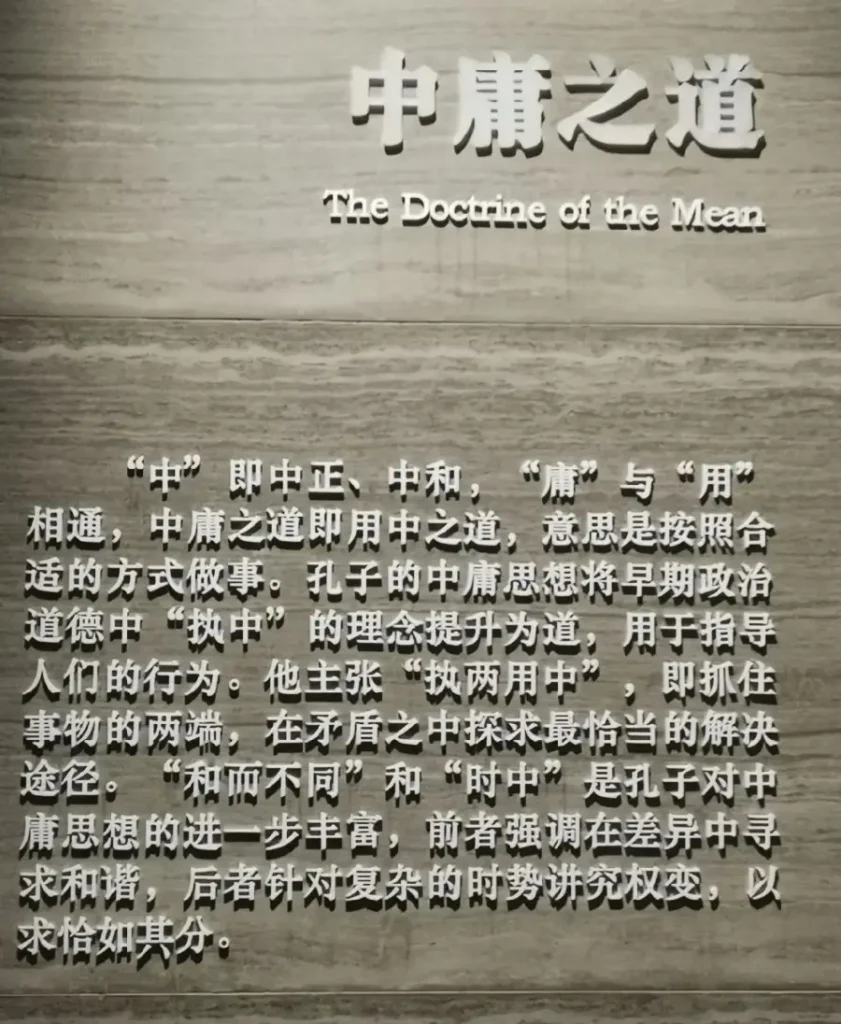
Best Time for Study
The ideal times to visit Qufu for a Confucius study tour are during spring, especially the Apricot Blossom Festival, when the city is vibrant with blooming flowers and cultural events. Another peak moment is September 28th, Confucius’ Birthday, which hosts the grand Confucius Birthday Ceremony and rich cultural festivals celebrating Confucianism philosophy.
Getting There
Qufu is easily accessible via high-speed rail. The Qufu East Railway Station connects to major cities like Beijing and Shanghai, making travel smooth and efficient for educational travelers coming from the U.S. or elsewhere. For detailed routes and schedules, check a reliable guide on how to reach Qufu by train from Beijing.
Accommodation
When it comes to lodging, you can choose between staying in traditional courtyard hotels, which offer an authentic cultural experience close to historic sites like the Temple of Confucius, or opting for modern hotels near scenic areas for more contemporary comfort. Both options provide easy access to Qufu’s key attractions and ensure a comfortable base for your educational travel in China.
For more travel tips and seasonal advice, see the comprehensive best time to travel to Qufu guide.
Sample 3-Day Confucius Study Tour Itinerary in Qufu
Day 1: The Roots of Wisdom
Begin your journey at the heart of Confucianism philosophy by exploring the San Kong—the Temple of Confucius, the Kong Family Mansion, and the Cemetery of Confucius. Dive into The Analects of Confucius with a guided introduction, gaining insight into the core teachings that shaped Chinese culture and governance. This day sets a strong foundation for understanding Confucius’ legacy and the cultural significance of Qufu. For detailed site information, check out this Confucius Temple guide.
Day 2: The Six Arts & Rituals
Immerse yourself in traditional Chinese education by experiencing the Six Arts (Liuyi)—Rites, Music, Archery, Charioteering, Calligraphy, and Mathematics. Visit the Nishan Sacredland, Confucius’ birthplace, and participate in Hanfu dressing to embrace the Confucian mindset fully. Practice ceremonial archery and join calligraphy workshops to connect with Guoxue (Chinese Sinology) traditions. The day culminates with witnessing the Kaipen Ceremony, the morning gate-opening ritual at the Temple of Confucius. Learn more about cultural activities in Qufu here.
Day 3: Reflection & Culture
Spend your final day reflecting on Confucian values at Yanhui Temple and Zhougong Temple, both rich in historical and philosophical significance. End your study tour with an authentic Kong Family Feast, savoring traditional Kong Family Cuisine while practicing dining etiquette rooted in Confucian rites. This immersive experience highlights the connection between food, culture, and education in Qufu. For additional cultural insights, explore the overview of Qufu history and culture.
This 3-day itinerary offers a balanced blend of history, philosophy, hands-on learning, and cultural immersion—ideal for educational travel in China focused on Confucius study tours.


You May Also Like
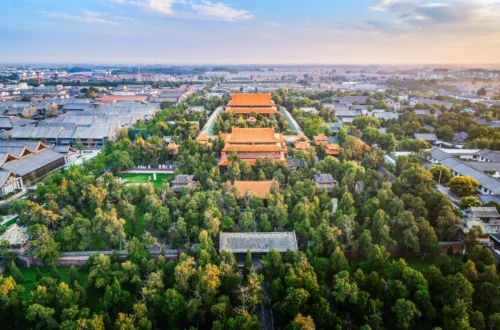
Why Do People Flock to Qufu Every Year Discover Confucius Heritage
Confucianism in Qufu vs Other Regions China Why Qufu Stands Supreme